
Last updated November 25, 2026
 Sweep & inspection
 Caps & crowns
 Flue relining
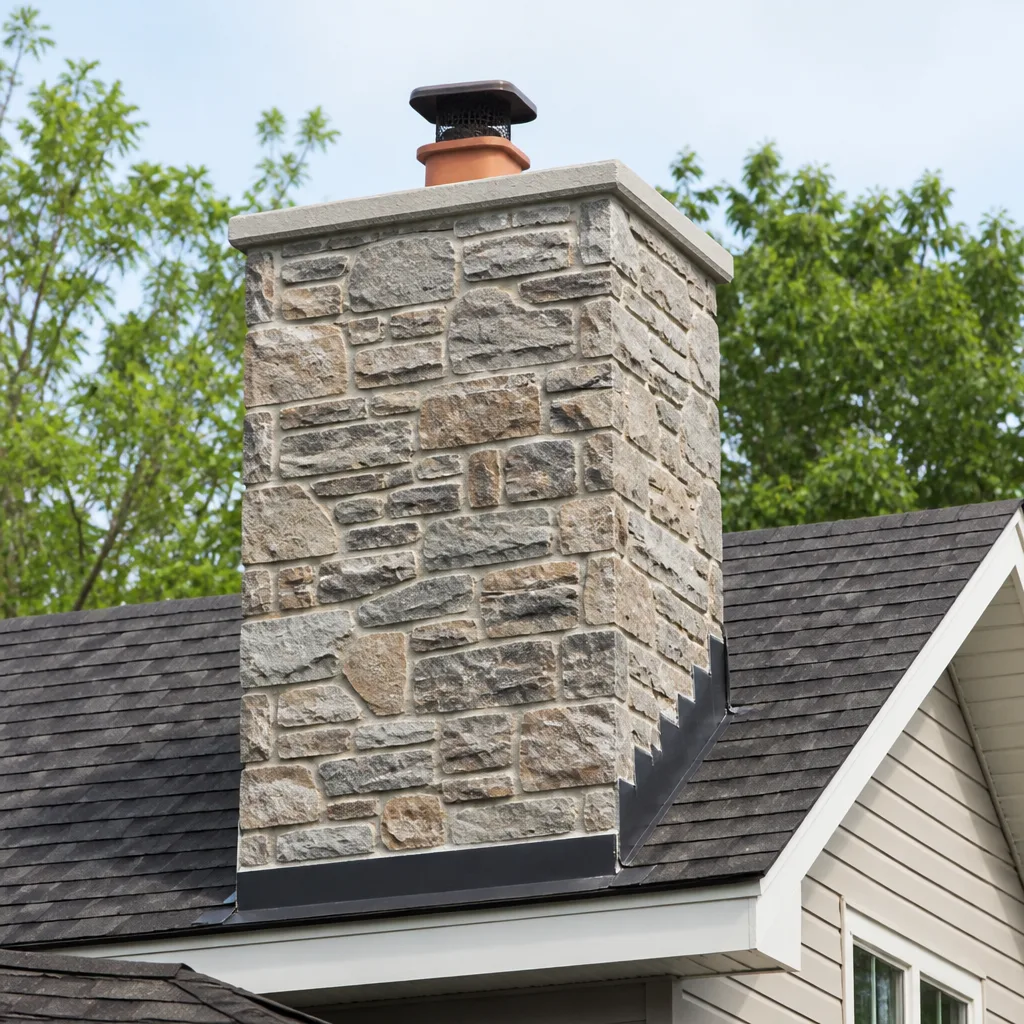 Masonry repair
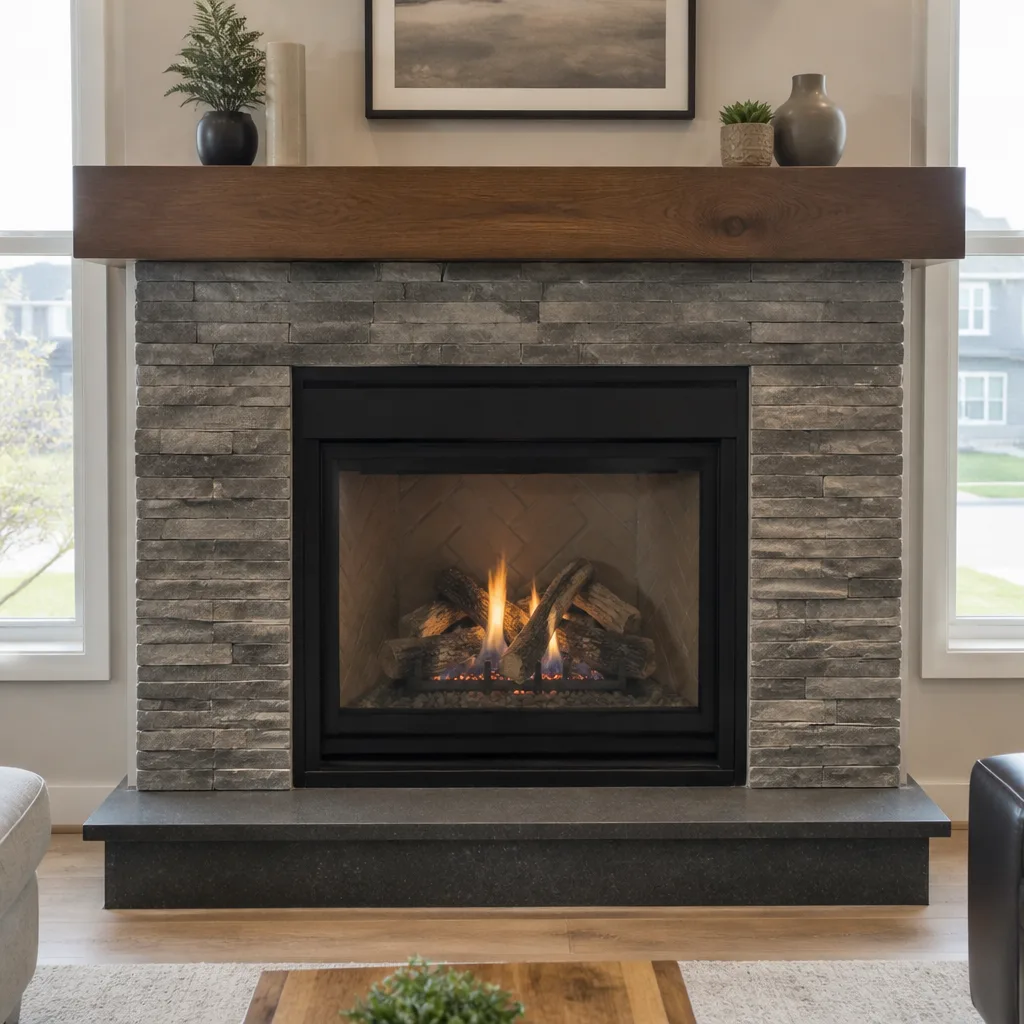 Gas fireplace service
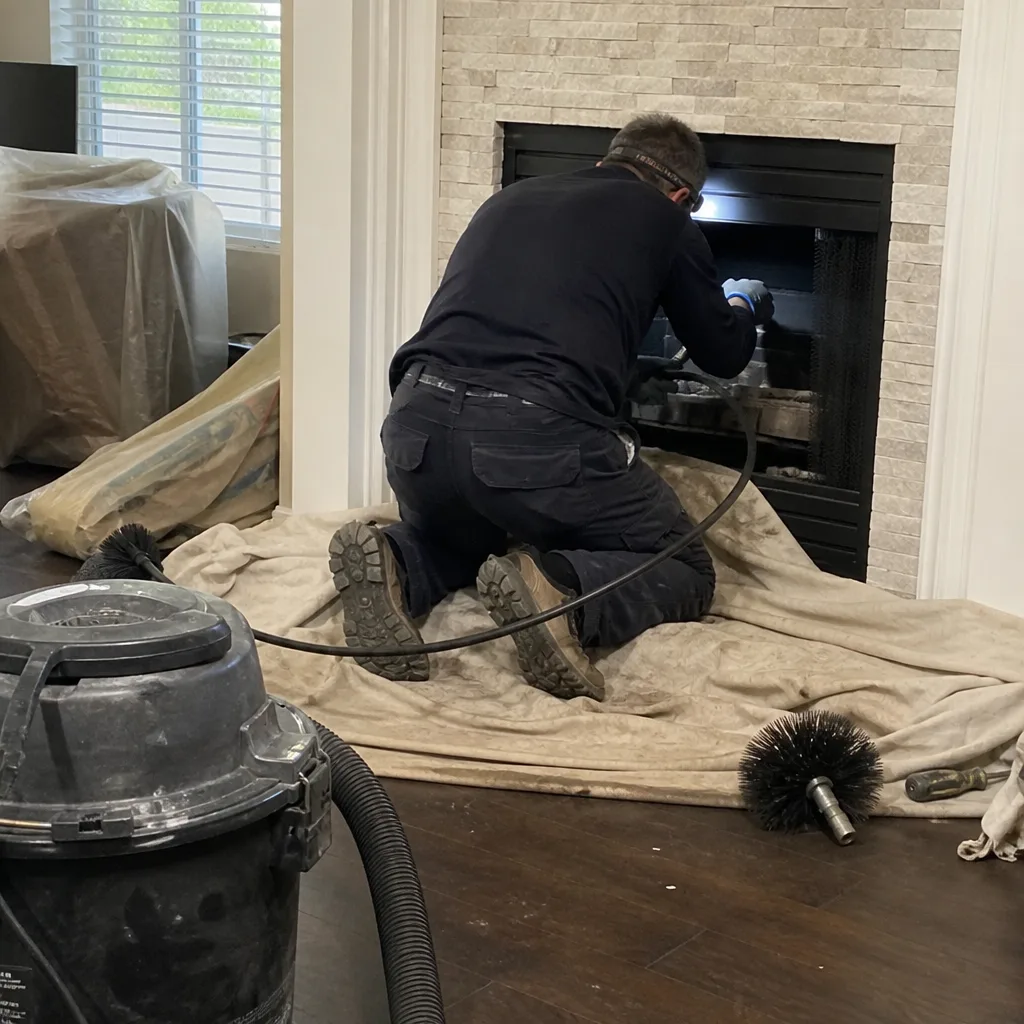
Level 1 sweep and inspection to the NFPA 211 annual standard - flue, crown, cap, and flashing checked and photographed
Chimney sweep logs do not sweep chimneys. They loosen some creosote - which then falls where a brush and vacuum still have to collect it.
Chimney Cleaning Warning Signs: A Rancho Santa Margarita Homeowner’s Reference Guide
Most chimney warning signs that circulate online are end-stage symptoms. Backdraft, heavy smoke spill, a visible soot stain on the wall – by the time you notice these, creosote has been layering up inside the flue for months, or masonry has been quietly shifting. This guide takes the opposite approach and works backward. We’ll walk through the subtle, early signals that show up long before a Rancho Santa Margarita homeowner thinks to book a sweep: a smell that shows up in July, a rust streak on the cap, a fire that takes three matches to light. You’ll learn what each one actually means, which ones can wait, and which ones mean call today.
Quick Answer
The earliest chimney cleaning warning signs are not smoke or visible flames. They are a faint acrid smell when the fireplace is cold, sluggish ignition that needs extra kindling, rust streaks running down the cap, whitish powder on the exterior stucco, and a fire that hangs heavy before drawing. Any one of these means creosote or moisture has begun to accumulate. Two or more together mean schedule a chimney sweep and inspection before the next burning season.
Styles & brands we work with
- Sweep & inspection
- Caps & crowns
- Flue relining
- Masonry repair
- Gas fireplace service
Table of Contents
- Why the Obvious Signs Arrive Too Late
- The Smell Profiles That Track Creosote Stage
- Why Campfire Smell in Summer Is the Critical Alert
- Exterior Signs on Rancho Santa Margarita Stucco Chimneys
- How to Read Draft Behavior
- When Your Heating Bill Is Telling You About Your Chimney
- The Post-Earthquake Inspection Trigger
- When to Call a Professional
Why the Obvious Signs Arrive Too Late
A chimney fire doesn’t always announce itself. Many burn slow and quietly inside the flue, capped off from the room by a damper and fed by a steady trickle of creosote. There’s no roar, no visible flame, no obvious alarm. What’s left behind is often a hairline crack in the liner and a smell most homeowners write off as “the fireplace smell.” That’s the pattern we’re trying to interrupt with this guide.
The reason the obvious signs arrive late is simple: a chimney is a vertical system that hides its trouble in three places most people never look – inside the flue, on the crown at the top, and behind the damper. Smoke backing into the room means the flue is already restricted enough to reverse the draw. Black soot streaks on the firebox face mean combustion has been incomplete for a while. By the time a homeowner sees either, the buildup inside the flue is usually heavy and the cleaning job has gone from routine to necessary.
Rancho Santa Margarita homes add one more layer. Stucco chimneys are common here, and stucco is good at hiding developing problems. A mortar joint can open, moisture can work behind the stucco, and the first sign you’ll see is a stain on the living room ceiling. That’s the value of catching the early signals: you’re looking for what changes on the exterior and in the smell before it reaches the interior.
What “Early” Actually Looks Like
- Smell without smoke. A faint acrid odor near the firebox when there’s no fire burning.
- Ignition friction. A fire that used to light in two minutes now needs five, or the kindling burns out before the logs catch.
- Cap aging. Rust bloom on the cap or crown, even if the cap still “looks fine” from the ground.
- Surface change. Chalky white streaks on the stucco, or a hairline along a mortar joint that wasn’t there last year.
- Cold-draft fatigue. The initial rush of cold air down the flue when you first open the damper, more than it used to be.
None of these five signals means your house is seconds from a chimney fire. They mean buildup or moisture has begun accumulating and it’s time to look at the system. A routine Chimney Sweep Rancho Santa Margarita handles that work before it turns into something bigger.
The Smell Profiles That Track Creosote Stage
The smell coming from your fireplace tells you which stage of creosote you’re dealing with. That matters, because the three stages of creosote don’t all clean the same way. Knowing which stage you likely have tells you how hard the cleaning job will be, and whether a repair-first approach with a resurfacing system like HeatShield is a reasonable path instead of a full liner replacement.
Stage 1: Soot and Light Flake
Stage 1 creosote is a powdery, flaky deposit. The smell is close to burnt wood or a campfire that went out an hour ago – present but light. A standard sweep removes it without special tooling. If a professional is on your roof with a poly brush, this is the phase where the job is straightforward.
Stage 2: Crusty, Brittle, and Sticky When Warm
Stage 2 creosote is a flaky crust, sometimes shiny, often brown or black. The smell is sharper – more like a wet campfire that didn’t fully ignite, with a sour note when the flue is damp. The crust can hold moisture against the flue wall, which is why it becomes a corrosion and liner-cracking concern. A rotary tool on a drill or a chemical treatment is often needed before brushing, which means the job needs a trained technician, not a homeowner with a brush and hope.
Stage 3: Glazed, Hard, and Fuel-Rich
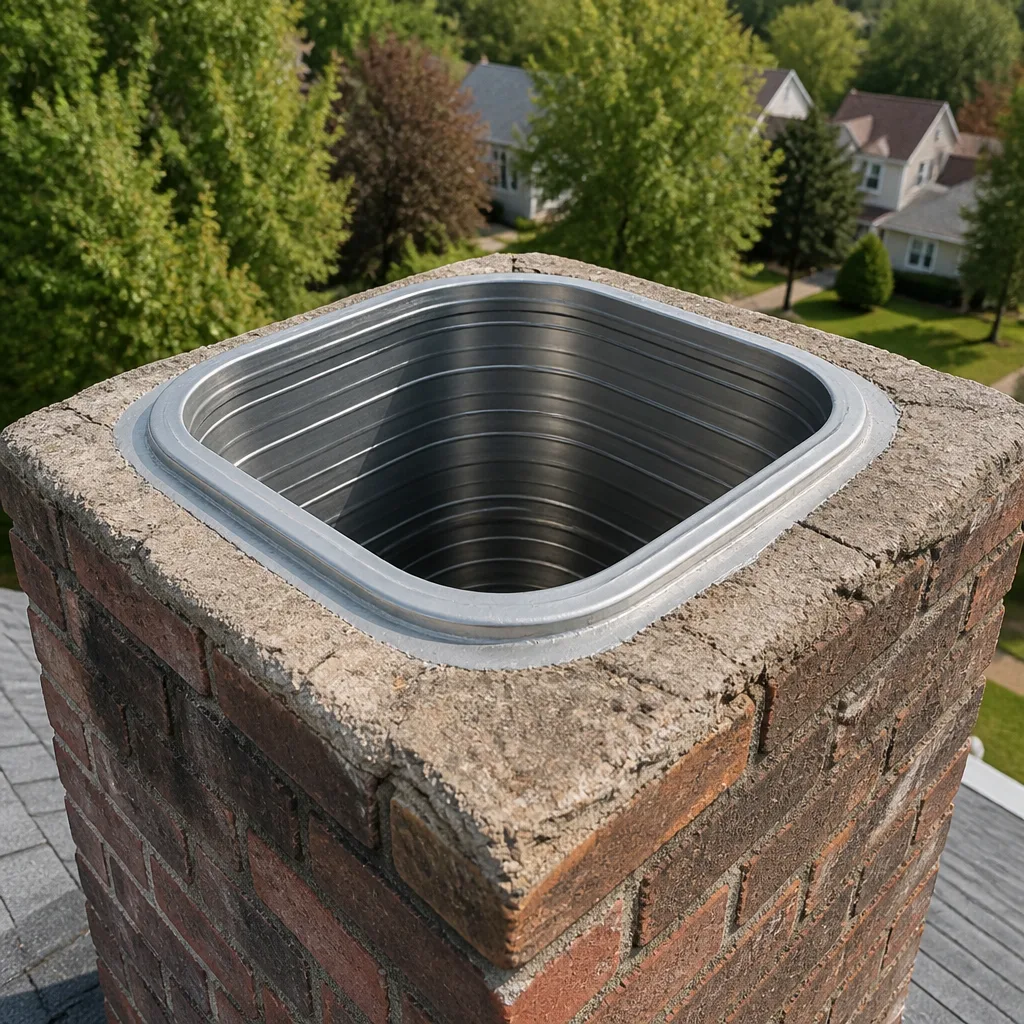
Stage 3 creosote is glazed, hard, and dense – it looks a little like melted plastic or dark glass. The smell is a sharp, acrid, oily tang, and it doesn’t fully go away between burns. Glaze is concentrated fuel and the highest-risk deposit you can have. Removing it requires a rotary tool and, in some cases, may point to liner damage underneath the glaze. A HeatShield resurfacing or a DuraFlex liner might be the correct next step. This is the stage where a professional diagnosis matters most.
How to Use This at Home
- Note the smell when the fireplace is cold and hasn’t burned in at least 24 hours.
- Compare to a fresh burn – is the smell much stronger when the fire has just gone out?
- If it’s a sour or acrid tang that lingers past the smoke clearing, that points to Stage 2 or 3.
- If it’s just a burnt-wood smell that fades, you’re likely in Stage 1.
- Book a chimney sweep and let a technician confirm on-site.
You don’t have to guess. Our technicians have up to 9 years of experience reading these signs, and the sweep and inspection are what settle the question.
Why Campfire Smell in Summer Is the Critical Alert
If you can smell your fireplace in July, when the fire hasn’t burned in months, that’s not a leftover scent. That’s active airflow pulling creosote odor back into the house through a chimney that has either lost its seal, developed a crack in the liner, or has a downdraft condition that lets outside air push through the firebox. That airflow is a diagnostic signal, and it’s the one most homeowners discount as “just how old houses smell.”
What the Summer Smell Is Actually Doing
In a Rancho Santa Margarita summer, the air outside is warmer than the air inside the chimney. When the flue is cracked, sealed poorly at the crown, or missing a cap entirely, warm air pushes through the flue and into the firebox. It carries with it the smell of the creosote that’s been sitting on the flue wall since spring. The stronger and more acrid the smell, the more deposit is available to be carried.
The Typical Causes
- Cracked flue tiles or a failed liner. Vapors pass through the crack instead of up the flue.
- A missing or rusted-through cap. Water gets in, wet creosote smells stronger, and the whole flue loses its chimney effect.
- Negative pressure in the home. Bathroom fans, kitchen exhaust, and HVAC cycling pull air up the chimney from the firebox rather than the other way around.
- Crown failure. A cracked crown lets water enter at the top, and the water runs down onto the creosote.
None of these are cosmetic. Each one means the flue is no longer doing the job it was built to do: sealed, dry, and drafting up. A chimney repair visit starts with a camera inspection that shows you what the flue actually looks like, and whether a HeatShield resurfacing, a DuraFlex liner, or targeted crown repair is the right fix.
Treat summer smell as your clearest early-warning window. Because the system isn’t in use, a technician has the time to diagnose it properly, and the repair can be finished before burning season begins.
Exterior Signs on Rancho Santa Margarita Stucco Chimneys
Rancho Santa Margarita has a housing stock heavy on stucco exteriors, and stucco chimneys tell a story on the outside that most owners never look for. The three exterior patterns to watch are efflorescence, mortar joint cracking at the crown, and rust streaks running from the cap. Each is a specific, physical signal, and each one points to a different problem.
Efflorescence: The Chalky White Pattern
Efflorescence is the white, chalky deposit that appears on the exterior stucco or brick of a chimney. It’s salt drawn to the surface by moisture working through the masonry and then evaporating. When you see it, water is getting inside the chimney somewhere – usually at the crown, the flashing, or a cracked mortar joint – and finding its way back out through the stucco. Efflorescence isn’t the damage; it’s the evidence of the damage.
Mortar Joint Cracking at the Crown
The crown is the concrete cap at the very top of the chimney, designed to shed water. When it cracks – and most crowns eventually do – water runs into the top of the flue and down the interior of the chimney. From the ground you’ll see a hairline at the crown’s edge or a chunk missing near the flue. Once water is in the crown, it’s feeding creosote, rusting the damper, and driving the summer-smell problem described above. Crown and cap work is one of the five services we handle, and it’s often the root-cause fix that prevents the recurring water damage.
Cap Rust Streaking
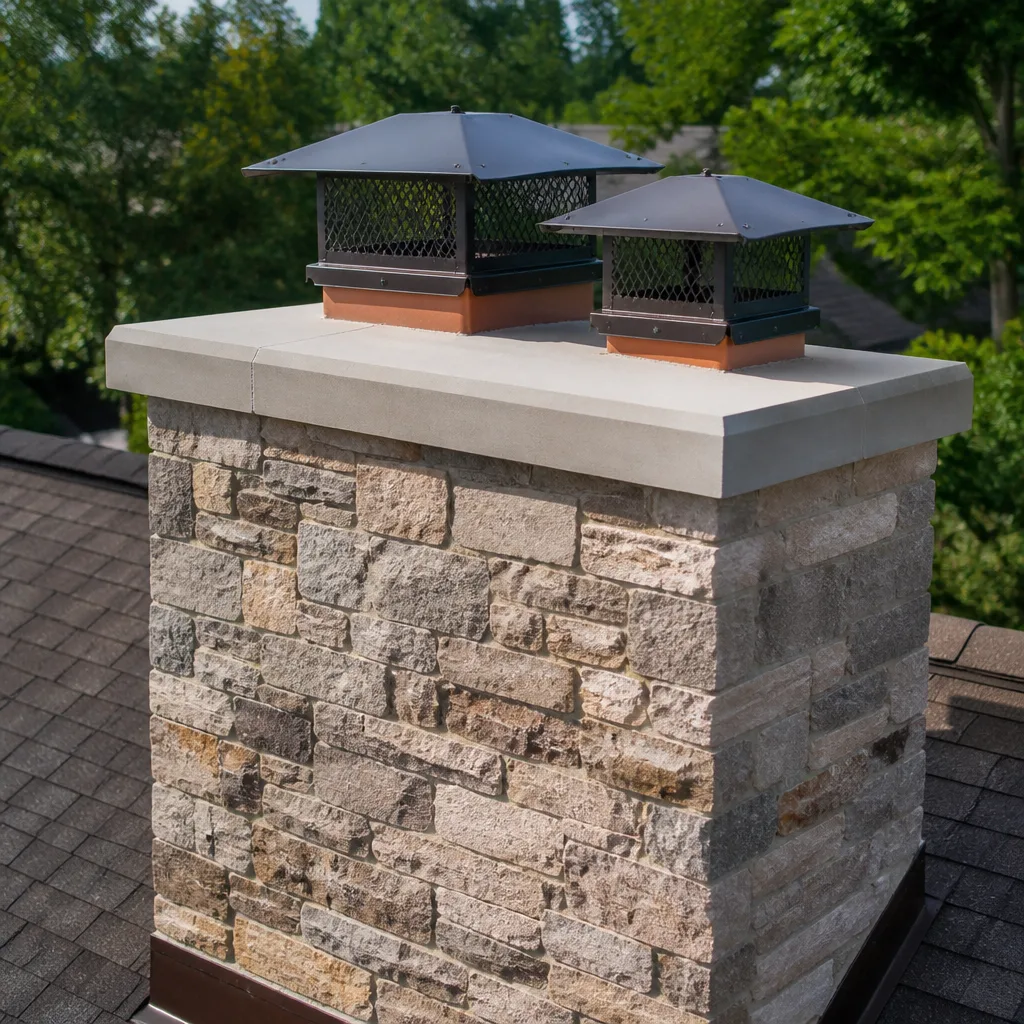
Rust streaks running down the side of the chimney are the easiest to spot and the easiest to ignore. They mean the cap – the protective cover over the flue – has begun to corrode. A rusting cap is no longer keeping out rain, birds, or debris, and the rust itself can drip onto the crown and speed its decline. A cap replacement with a professional-grade unit (we work with Olympia Chimney and Copperfield, among others) resolves the problem at its source rather than treating the stain.
What to Look For From the Ground
- Stand across the street with a pair of binoculars.
- Check the crown – is the concrete intact all the way around the flue?
- Run your eyes down the stucco for white streaks or a green-algae tint that wasn’t there last year.
- Look for orange or brown rust streaks running from the cap down the side.
- Check the flashing where the chimney meets the roof for lifted metal or gaps.
Any one of these is a reason to get the chimney looked at. Camera inspection and photo report are included with every visit, so you see what we see.
How to Read Draft Behavior
Draft is the invisible part of the chimney system, and it changes before the visible problems show up. A sluggish draft that makes a fire hard to light, or smoke that hangs in the firebox before it climbs, is a real diagnostic signal. The trick is figuring out whether the problem is a partial blockage in the flue or a weak damper, because the fix is different for each.
Sluggish Ignition: A Partial Blockage Signature
If your fire used to catch in two minutes and now takes five – especially if you’re using the same wood, the same kindling, and the same technique – something is restricting the flue. A partial blockage from creosote, a bird’s nest, or a collapsed tile slows the upward flow. The fire struggles to establish a draft because the flue is no longer a clean cylinder. A sweep resolves the deposit; a camera inspection confirms what’s underneath it.
Smoke That Hangs Before It Draws
Smoke that lingers in the firebox for a few seconds before climbing is a subtle sign that the initial draft is weak. If the smoke lingers longer, curls into the room, or spills over the firebox face, that’s a stronger indicator. Heavy backdraft is late-stage; hanging smoke is early-stage, and that’s the one worth catching. Causes range from a cold flue (normal) to a flue that’s narrower than the firebox opening (structural) to a partially blocked cap (physical).
Damper Failure vs. Blockage
A damper that no longer opens fully, or has rusted open, mimics a blockage but the cause is mechanical. You can often tell the difference: with a damper failure, the flue itself is clean on camera but the air path through the damper is restricted. With a blockage, the camera shows exactly where the obstruction is. The reason this distinction matters is that the repair path is different. Damper and firebox issues fall under fireplace repair, while blockages belong to the cleaning and inspection side.
Both come out of the same visit for us, which is one of the practical benefits of using a full-system chimney specialist rather than a budget sweep that only handles one side of the equation.
When Your Heating Bill Is Telling You About Your Chimney
A rising heating bill in a Rancho Santa Margarita home with a fireplace is often treated as an HVAC problem. Sometimes it is. But when you’ve already had the HVAC serviced and the bill keeps climbing, or when the system seems to cycle more than it used to, the answer can be sitting right over the firebox. The chimney is a hole in your building envelope, and when it stops sealing properly, your heating system pays for it.
The Air-Sealing Chain
Here’s the chain in plain terms. A properly functioning chimney is a sealed column, from the firebox damper at the bottom to the crown and cap at the top. When the cap is missing, the crown is cracked, or the damper no longer seats, that column is no longer sealed. Warm conditioned air in the house escapes up the flue, and outside air enters to replace it. Your HVAC has to work harder to hold the temperature you set. That’s not a furnace problem. That’s a chimney problem showing up on your utility bill.
Signals to Watch On the HVAC Side
- Short-cycling – your system runs, shuts off, and comes back on faster than it used to.
- Room-to-room temperature spread – some rooms feel cold while others are fine.
- A heating bill that’s climbed without a rate change or a cold snap to explain it.
- A smell of soot or smoke near the fireplace when the HVAC is running.
Any of these, combined with one of the chimney-specific signals in this guide, points to the chimney as a real suspect. A full-system inspection with camera evidence will tell you quickly whether the flue seal is where the loss is coming from, and whether a cap and crown intervention is the fix.
The Post-Earthquake Inspection Trigger
Southern California shakes regularly, and Rancho Santa Margarita is no exception. The warning sign most homeowners miss is not a crack they can see – it’s the fact that the ground moved. Even a modest 3.0 magnitude event within 50 miles of your home is enough reason to have the chimney inspected under NFPA 211 Level 2 criteria, because masonry that survived the shake can still have shifted at the crown, the flashing, or a mortar joint.
What a Level 2 Inspection Covers
A Level 2 inspection goes beyond what you’d get from a basic sweep. It includes a camera inspection of the flue and the accessible portions of the chimney system, plus a visual review of the exterior and the components connecting the chimney to the appliance. That’s the standard used after an event that could reasonably have altered the chimney structure, and it’s the inspection we’d recommend after any shaking that’s felled pictures or made you wonder.
What You Can Check Yourself First
- Walk the perimeter of the house and look at the chimney from at least two angles.
- Check whether the chimney has visibly tilted relative to the roofline.
- Look for new cracks in the stucco that weren’t there before.
- Check the firebox interior for new cracks or pieces of masonry on the floor.
- If anything looks different, book the inspection – do not run a fire until you’ve had it checked.
If you can’t tell whether anything changed, that’s the strongest case for booking. Camera inspection and photo report are included, and the results are yours.
Common Mistakes to Avoid
- Treating summer smell as normal. It isn’t. If you can smell the fireplace when it’s not in use, moisture or a flue crack is the likely reason. That signal earns a call to a technician.
- Waiting for visible smoke backdraft. Backdraft is the late signal. Watch the ignition time and hang time of the smoke, not the visible blowback.
- Judging the chimney by the firebox. The firebox can look perfectly clean while the flue above the damper holds most of the creosote. That’s why a sweep includes the full flue, not just what the flashlight can see.
- Ignoring a rust streak because the cap “still looks fine.” Rust is a scan of what’s happening on the underside of the cap and the top of the crown, which is where you should be looking anyway.
- Skipping the post-shake inspection. A 3.0 event within 50 miles is enough reason to check. Waiting until the next fire season just delays the answer.
- Assuming a heating bill climb is always HVAC. When the HVAC has been serviced and the bill still climbs, run the chimney down the same list. The flue is a hole in the envelope, and it’s worth ruling out.
- Treating the sweep as a one-and-done. Chimneys need regular attention, especially in a home that’s had moisture signs or is heading into a home-sale inspection. A sweep now is cheaper than a repair later.
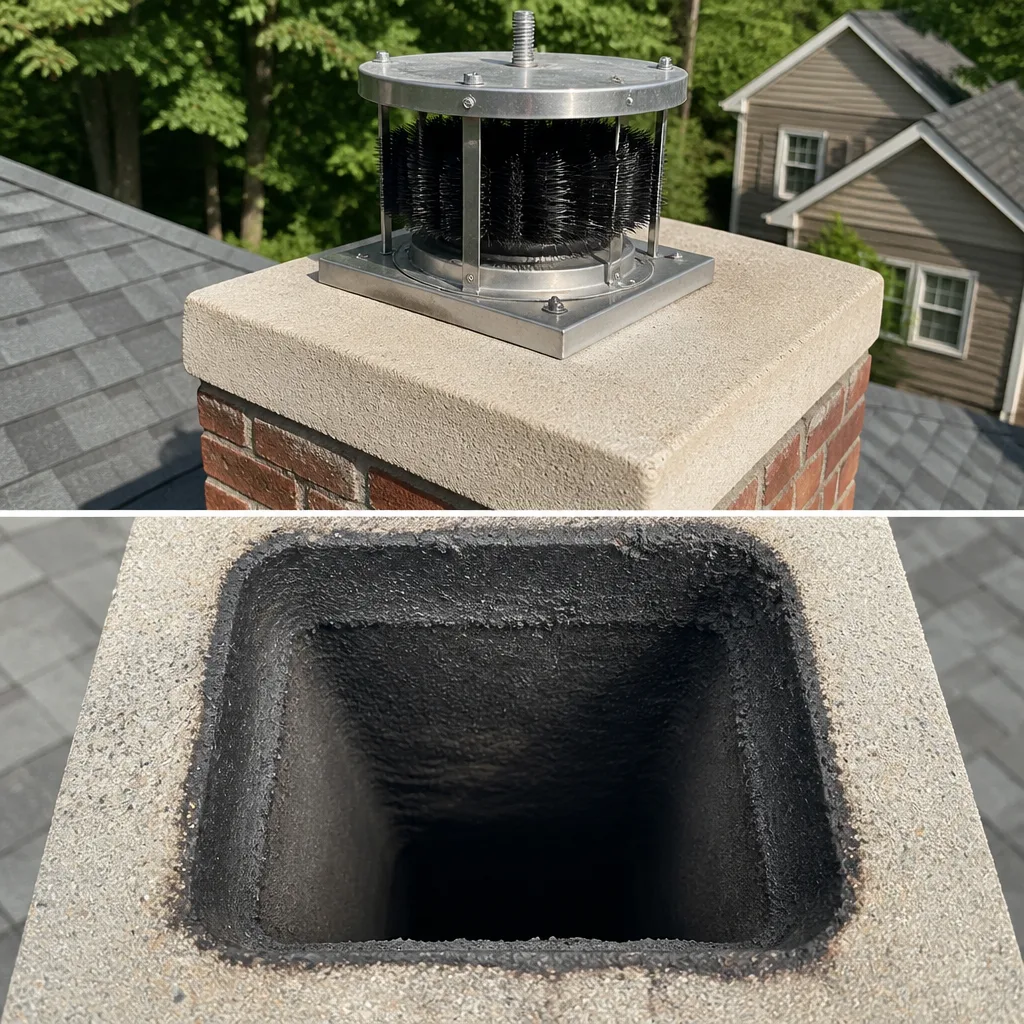
See the difference
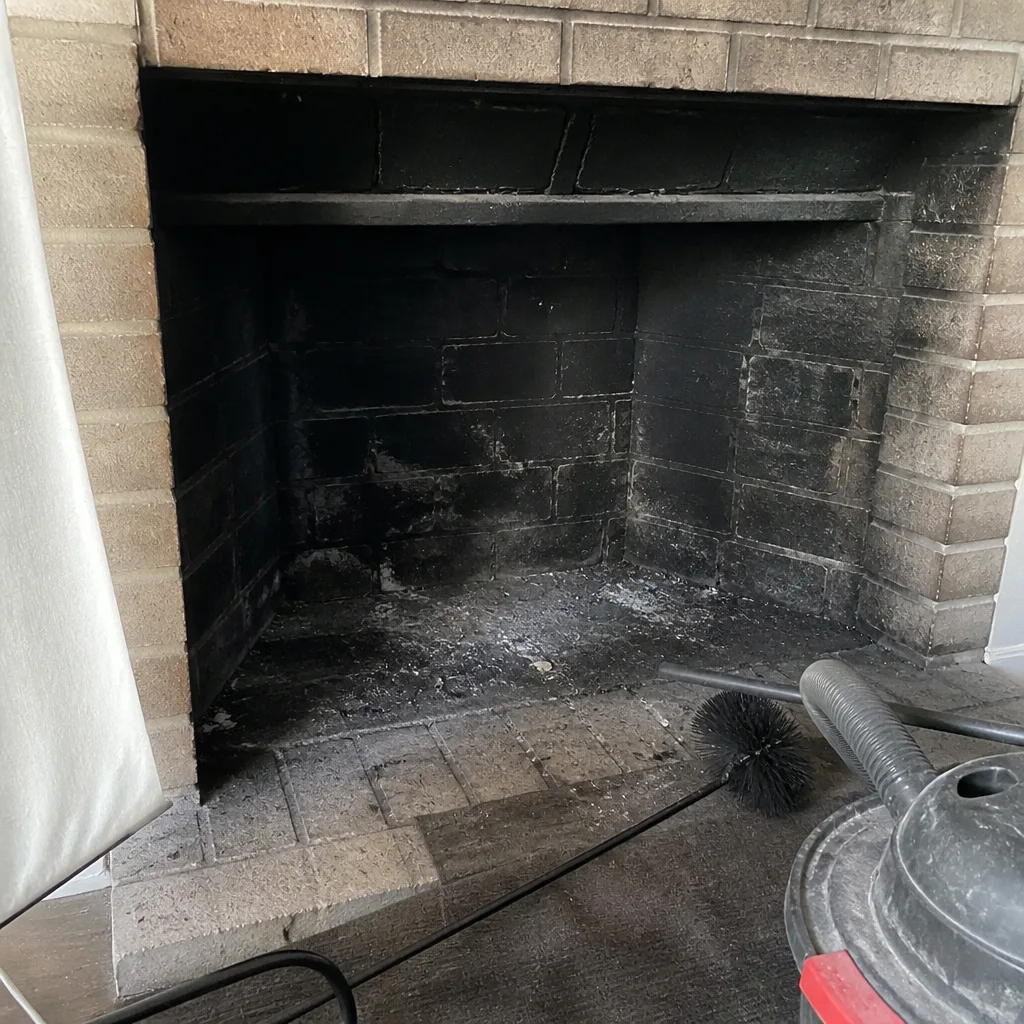 Before
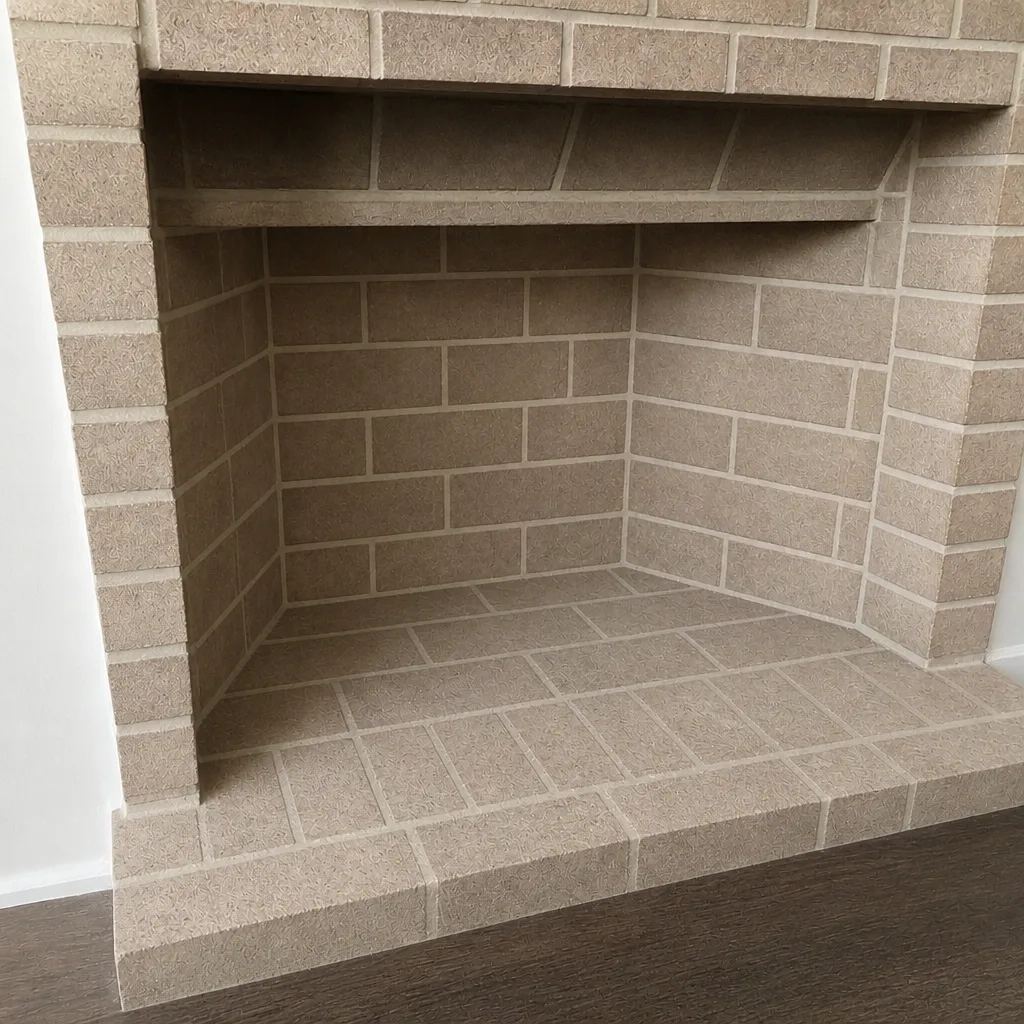 After
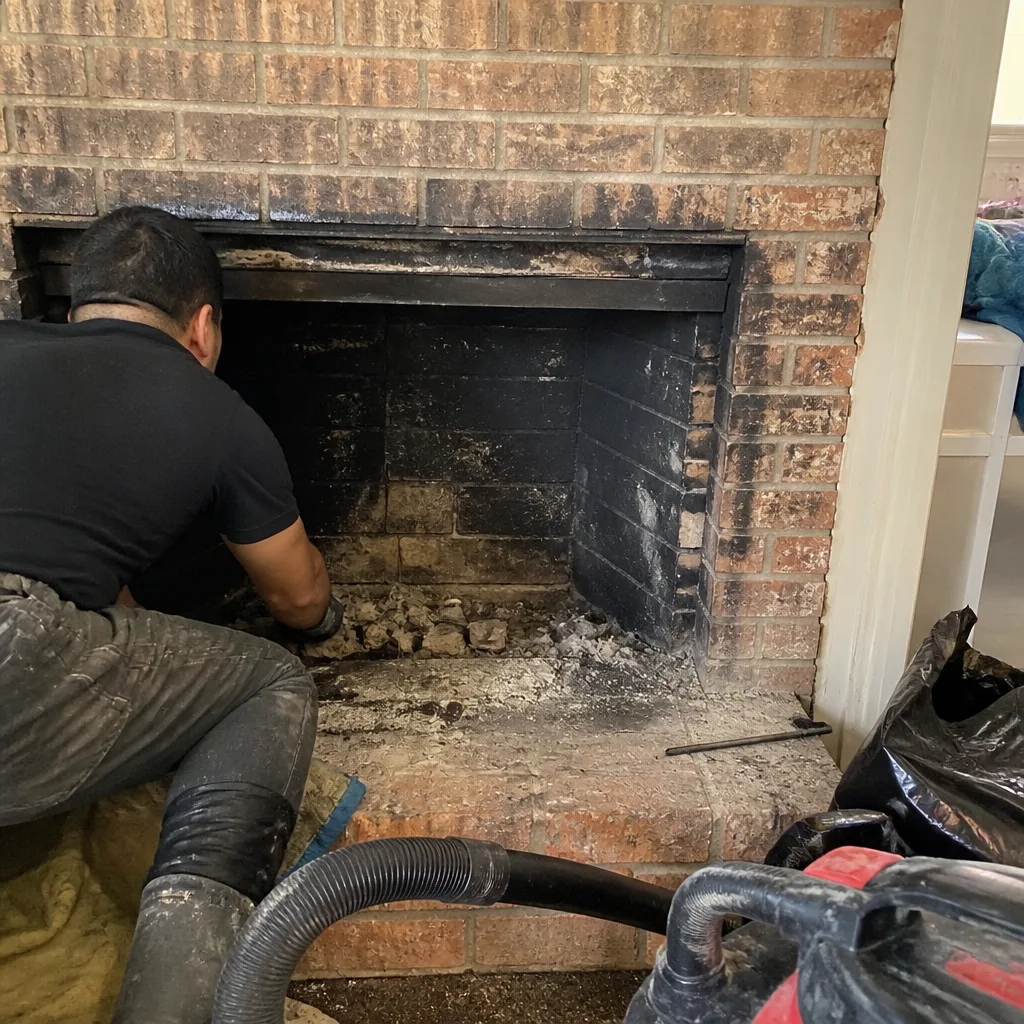 Before
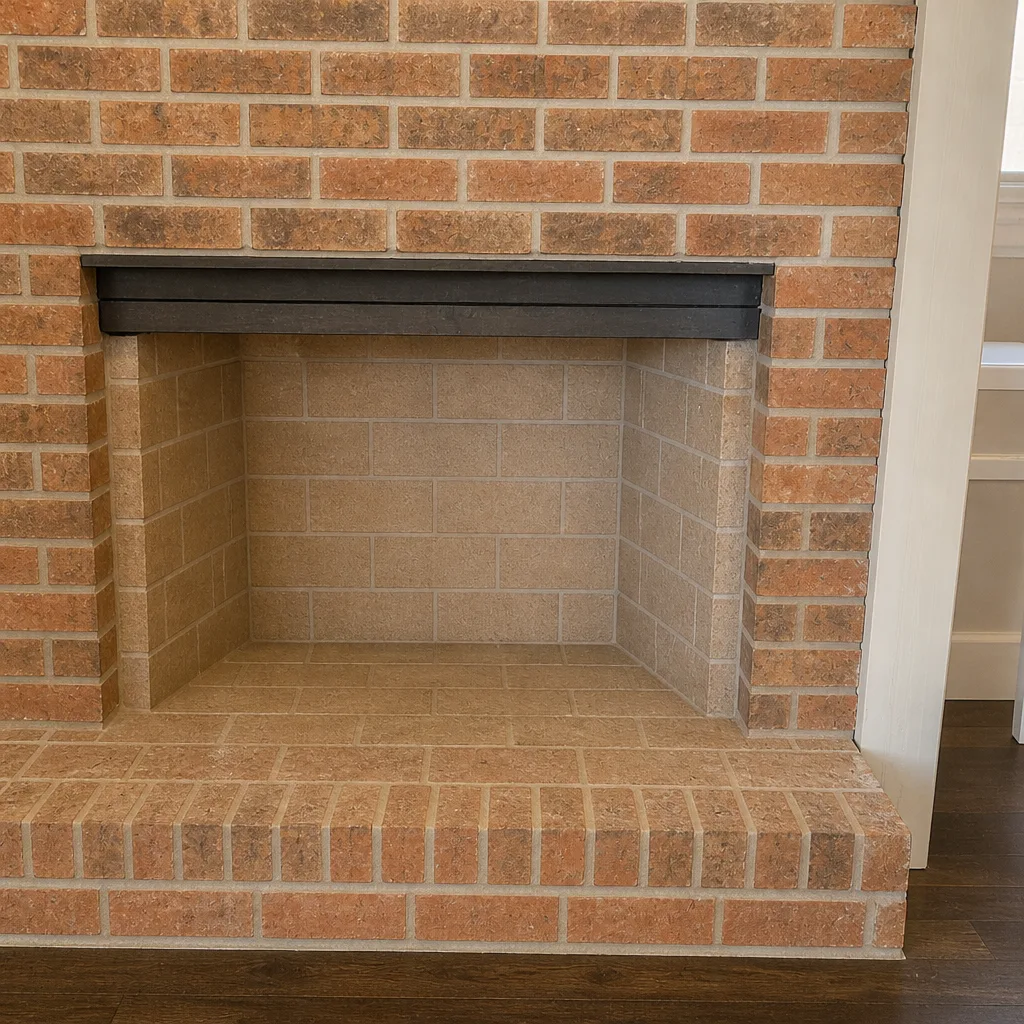 After
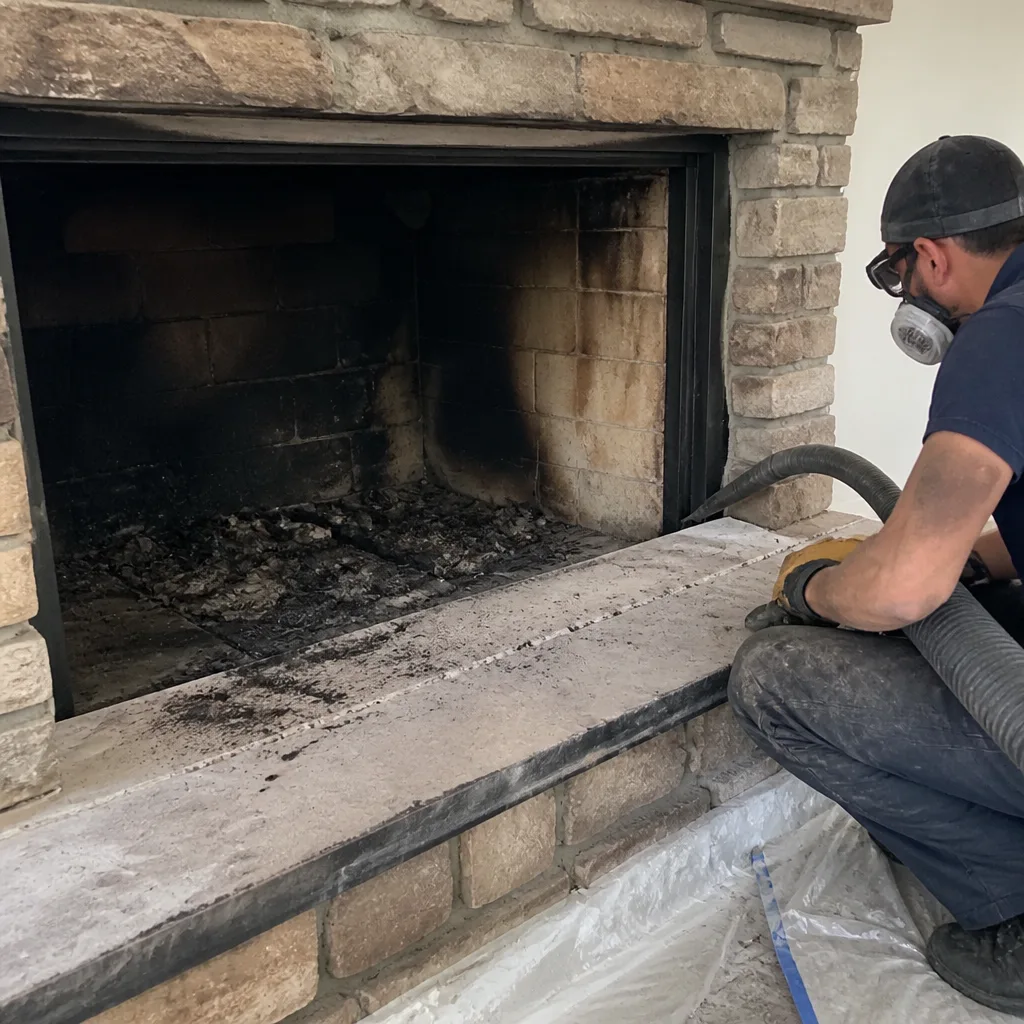 Before
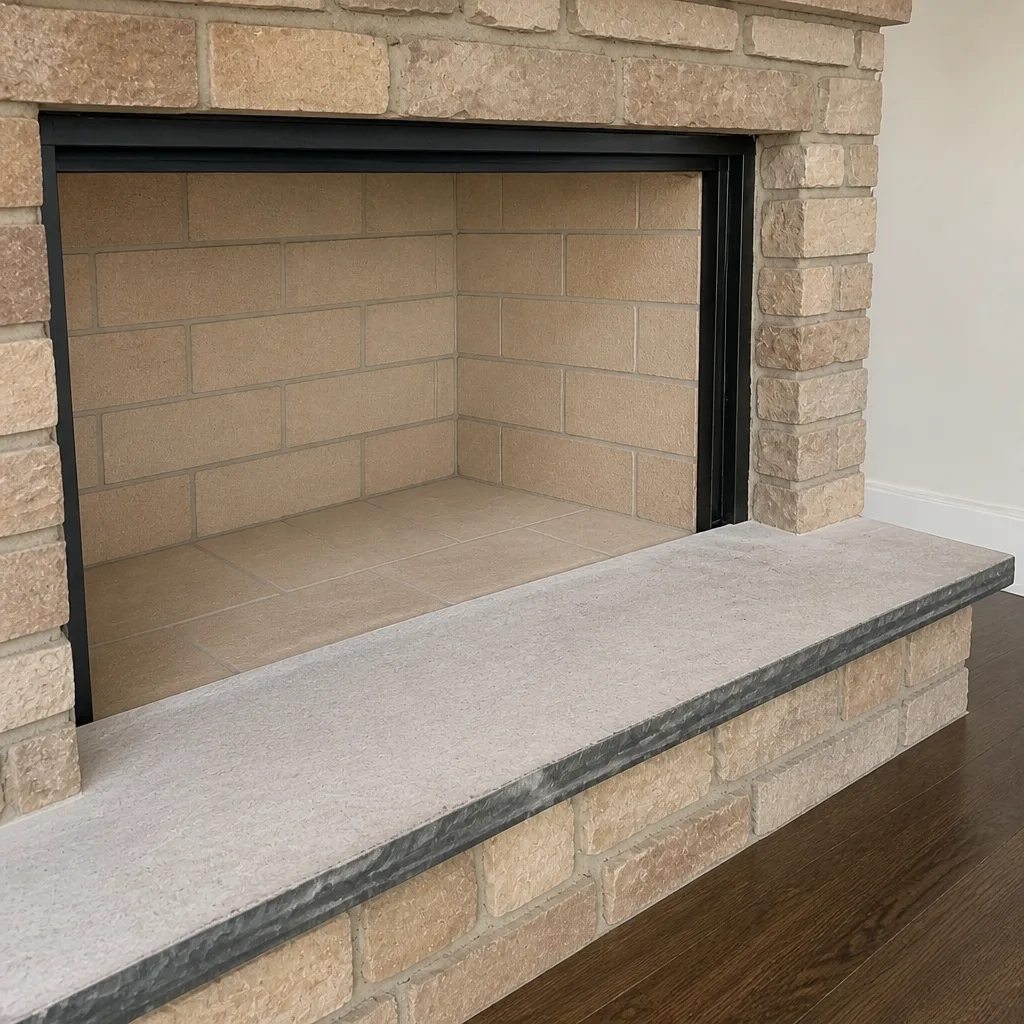 After
When to Call a Professional
Call a professional when any of these is true: a persistent acrid smell when the fireplace is cold, a fire that’s taken noticeably longer to light than it used to, visible rust on the cap, chalky white streaks on the exterior stucco, a hairline crack at the crown, smoke that hangs in the firebox before drawing, a heating bill climb that doesn’t match the weather, or any noticeable shaking that has brought down a picture or two. And call a professional without hesitation if you’re selling the house or heading into the heating season without a recent inspection. Chimney Sweep Rancho Santa Margarita offers free estimates in Rancho Santa Margarita – call (855) 726-7893. Call (855) 726-7893. We answer 24/7. Fast dispatch from 7am to 7pm, Sunday through Friday.
Frequently Asked Questions
Every sweep is priced per job by written estimate, and the range depends on flue condition and how many flues the chimney has. The estimate is free, and the written estimate sets the final price once the technician has looked at the system. Call (855) 726-7893 for an exact quote – estimates are free.
Not always – a real diagnosis comes first, and HeatShield resurfacing is often the appropriate path where a full liner replacement would otherwise be recommended. Our repair-first approach uses HeatShield to restore and seal deteriorated flue interiors, which can extend the usable life of a chimney that’s structurally sound at the masonry level. Whether a liner replacement or a resurfacing is correct depends entirely on what the camera shows. Call (855) 726-7893 and ask for an inspection that gives you the camera evidence.
A chimney sweep at least once a year for a household in regular use is the standard safeguard, and a sweep before the heating season catches buildup before it becomes a fire risk. A home with heavy burning, or one where the smoke hangs, should be looked at more often. A sweep isn’t maintenance for its own sake – it’s the annual check that keeps the flue clean. Call (855) 726-7893 to book a sweep and inspection together.
Creosote accumulates, moisture finds its way in, and the consequences range from sluggish draft to structural cracks that carry into the masonry or the adjacent building materials. The mild-winter pattern in Rancho Santa Margarita doesn’t change that, because the problem is inside the flue, not outside the house. The right answer is a sweep now rather than a repair later. Call (855) 726-7893 for a free estimate on a sweep and inspection.
Often it is – warm outside air pushing into a flue that’s lost its seal will carry the smell of creosote into the firebox, and that’s the exact pattern to take seriously. A crack in the flue, a failed crown, or a rusted-through cap are the usual culprits. A camera inspection shows exactly which. Call (855) 726-7893 and we’ll book a diagnostic.
Yes, if there’s been a noticeable shaking event within 50 miles of your home – under NFPA 211 Level 2 criteria, that’s a reasonable trigger to check the chimney. Even a modest 3.0 magnitude event is enough. Masonry can survive the shake and still shift at the crown, the flashing, or the flue connection. Call (855) 726-7893 to book an inspection and get camera evidence of what the flue looks like now.
Yes – cap and crown work is one of our five core services alongside the sweep, inspection, fireplace repair, and chimney repair. That means findings from the sweep translate directly into the repair visit, without waiting for another contractor. Our technicians have up to 9 years of experience on flue, firebox, and masonry systems. Call (855) 726-7893 to book a combined sweep and cap/crown assessment.
The Bottom Line
The warning signs worth watching are the early ones: smell when the fire is cold, ignition that’s slower than it used to be, smoke that hangs before drawing, rust streaks on the cap, chalky white lines on the stucco, a heating bill that climbs past what the weather explains, and any noticeable shaking event. Each one is a specific, physical signal of where the problem is heading. The Rancho Santa Margarita mild-winter pattern doesn’t change any of this – the trouble is inside the flue, not outside the house. Catch the signal, book the sweep and inspection, and let the camera evidence set the repair plan. That’s the way we diagnose before we repair.
Written by the team at Chimney Sweep Rancho Santa Margarita.