
Last updated November 25, 2026
 Sweep & inspection
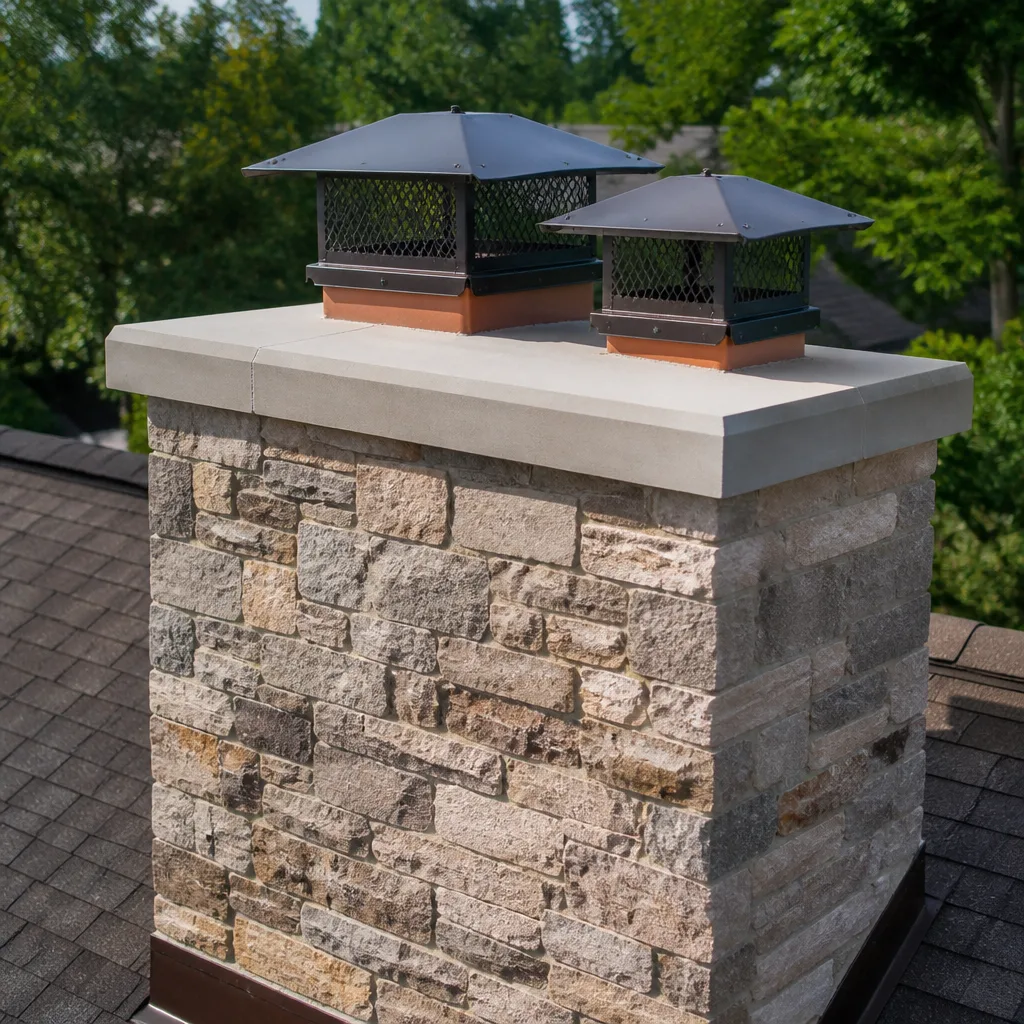 Caps & crowns
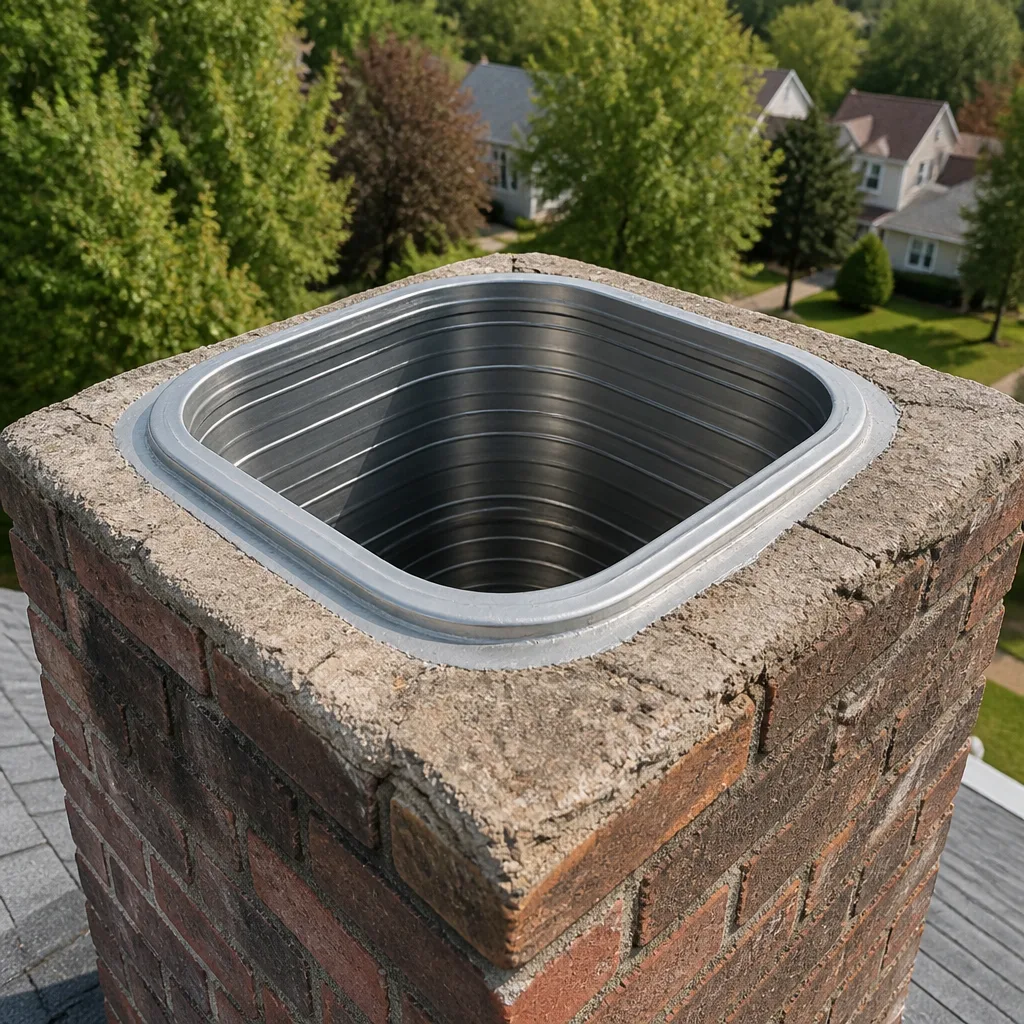 Flue relining
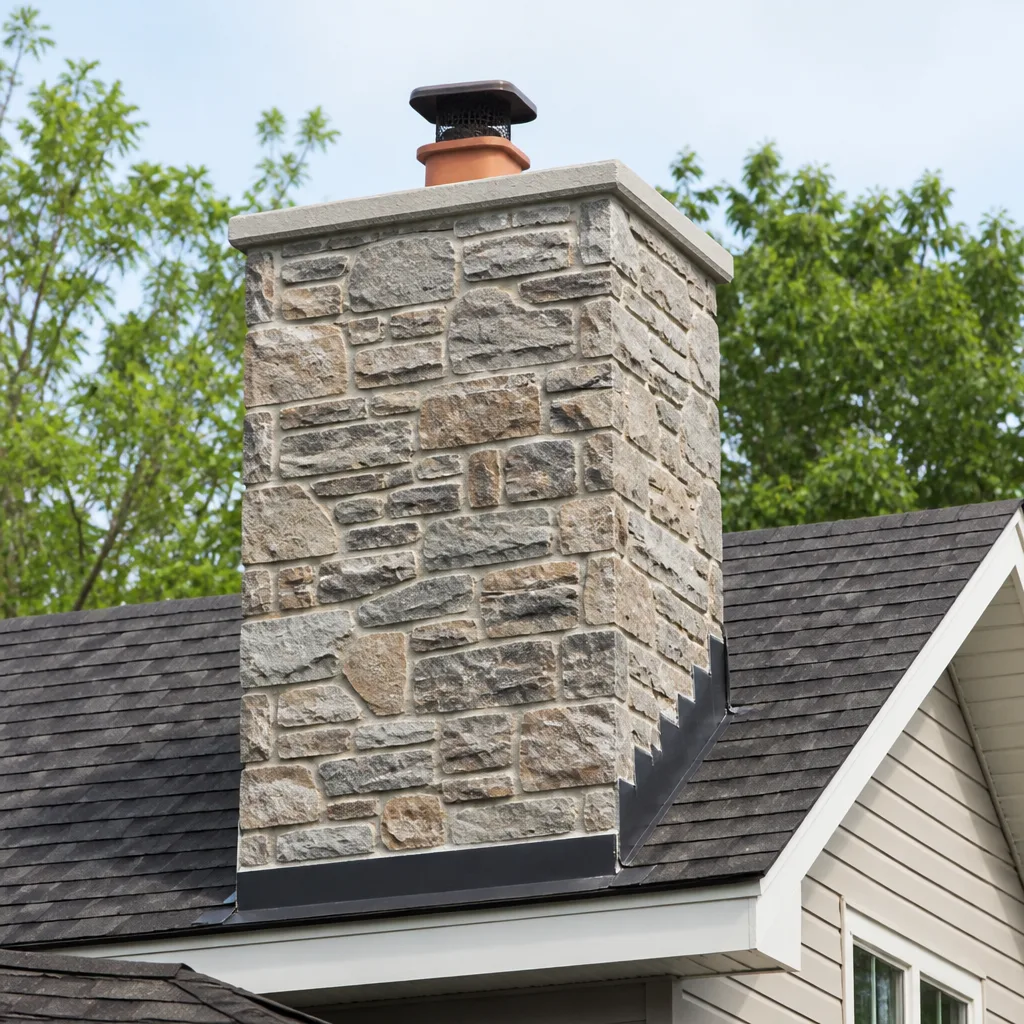 Masonry repair
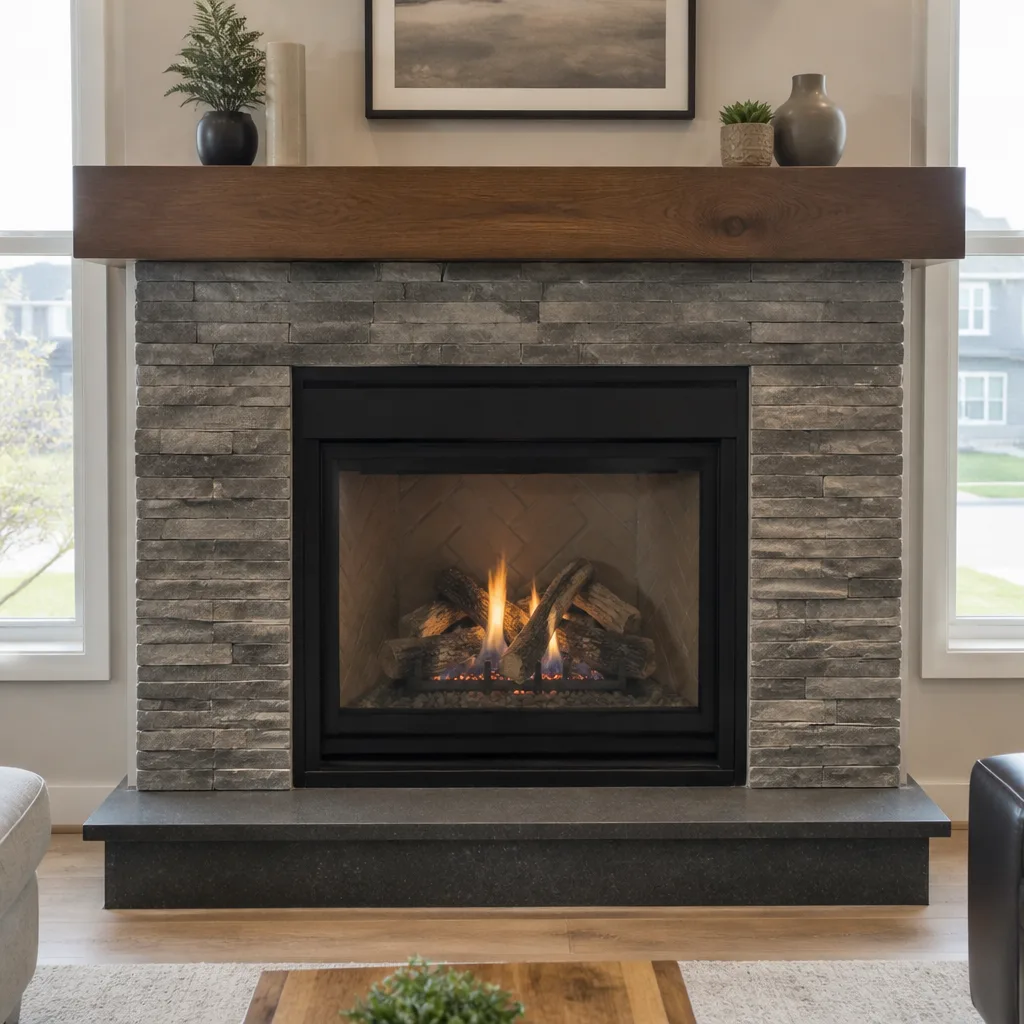 Gas fireplace service
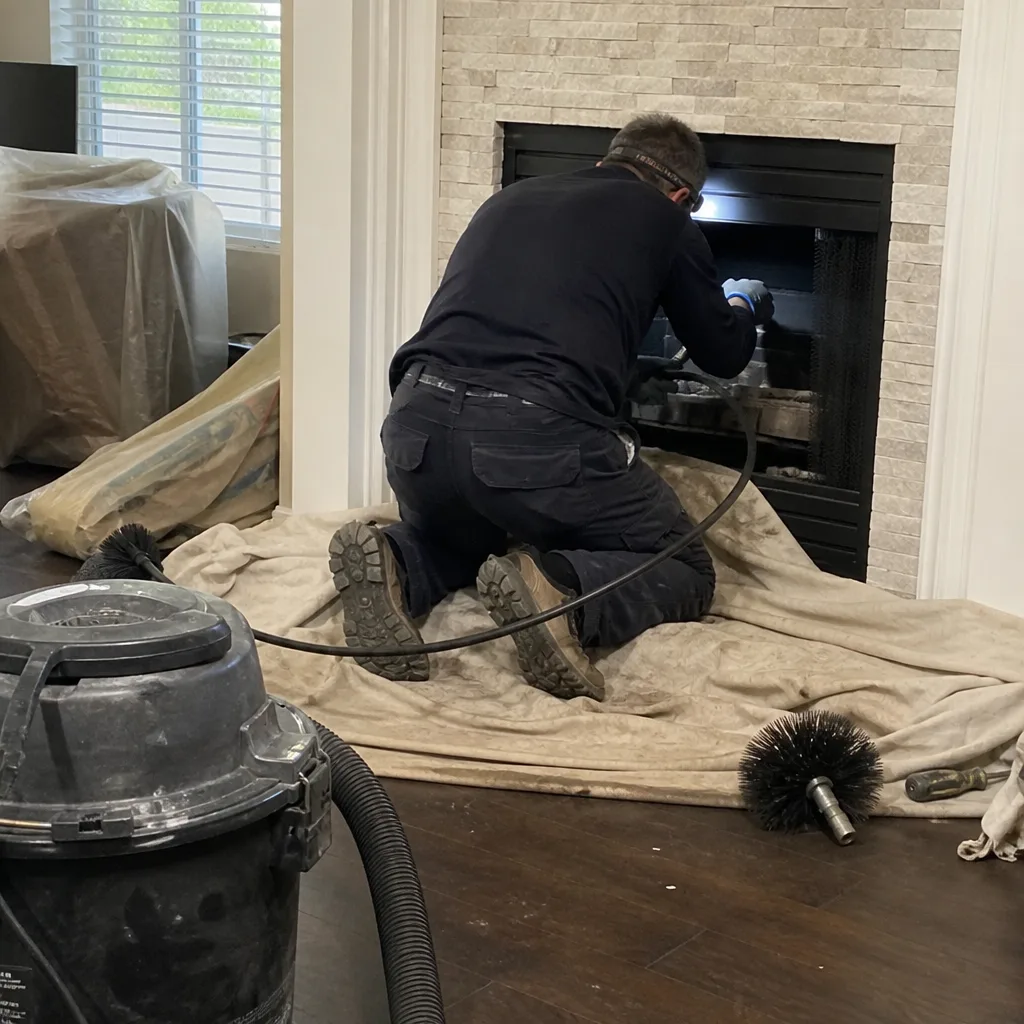
Level 1 sweep and inspection to the NFPA 211 annual standard - flue, crown, cap, and flashing checked and photographed
Chimney sweep logs do not sweep chimneys. They loosen some creosote - which then falls where a brush and vacuum still have to collect it.
DIY vs Professional Chimney Cleaning: The Rancho Santa Margarita Homeowner’s Decision Guide
A chimney brush and rod kit costs about $80 online and will absolutely remove surface soot from the flue. Here’s the part the product listing leaves out: that same kit cannot see a cracked terra cotta liner tile, cannot identify a compromised smoke chamber, and cannot tell you whether the black glaze coating your flue is ordinary creosote or Stage 2 glazed creosote. A chimney that looks spotless from the firebox can still hide a direct fire hazard. In Rancho Santa Margarita, where homes sit close to open wildland, a chimney fire is not a private household problem. This guide maps what a capable homeowner can safely do, what genuinely requires professional equipment, and how to decide without guessing.
Quick Answer
You can safely handle routine visual maintenance – checking the firebox, inspecting the cap from ground level, and testing draft with a smoke pellet. You should not attempt to clean the flue or assess creosote condition yourself. The cleaning part is where the real risk lives, and a brush cannot reach glazed creosote, cannot evaluate a cracked liner, and leaves no inspection record. For anything beyond a visual look, book a professional sweep with an inspection attached.
Styles & brands we work with
- Sweep & inspection
- Caps & crowns
- Flue relining
- Masonry repair
- Gas fireplace service
Table of Contents
- What a homeowner can safely do – and how
- The creosote assessment: the hard boundary
- The equipment gap between a brush and a professional sweep
- Liability in the wildland-urban interface
- Why an inspection record matters in Rancho Santa Margarita
- The honest hybrid model: DIY between visits
- Cost and timing: what to expect
- Common mistakes to avoid
What a homeowner can safely do – and how
There are three maintenance tasks a careful homeowner can complete without specialized tools, and they’re worth doing well because they help you decide when to call a professional.
1. Firebox visual check. With the fire fully out and the firebox cool, look at the firebrick and mortar joints. You’re checking for loose brick, crumbling mortar joints, cracks wide enough to catch a fingernail, or white staining that suggests moisture. A firebox in good condition has tight, uniform joints. If a brick is loose or a joint has come out, stop using the fireplace and have it inspected.
2. Cap inspection from the ground. Use binoculars from your yard. Check that the cap is intact, the screen or mesh is not torn, and no bird nest or debris is packed against the top. A cap pulled loose after a windy stretch is the most common entry point for water and animals in Rancho Santa Margarita’s dry season. Note any rust, sagging, or missing pieces.
3. Draft testing with a smoke pellet. Light a smoke pellet in the firebox with the damper fully open and a window cracked nearby for makeup air. Watch which way the smoke travels. A chimney drawing correctly should pull smoke steadily up the flue. Smoke that spills back into the room, drifts lazily, or eddies near the damper is a sign you need an inspection, not more firewood.
What these three checks do: they give you a working baseline. What they don’t do: clean the flue, measure draft pressure, or tell you anything about the interior condition of the liner. That distinction matters, and it’s where most DIY plans go wrong.
The creosote assessment: the hard boundary
Creosote comes in three stages, and they are not equally manageable. Brushing removes Stage 1 – light, flaky soot that comes off easily. Stage 2 is a rougher, crusted deposit that often needs chemical treatment or rotary tools to break down. Stage 3 is glazed, hardened creosote that adheres to the flue wall, and in our experience it’s the deposit that most often precedes a chimney fire.
Here’s the boundary most homeowners don’t know about: you cannot tell which stage you have without looking up the flue with proper lighting and, ideally, a camera. From the firebox, Stage 1 and Stage 3 can look similar. A brush handle will tell you something is there but not what it is.
Why this is a hard stop:
- Stage 2 often requires chemical treatment – a sweep applies a compound, waits for it to soften the crust, then removes it with rotary tools. A homeowner brush bends over the top of it.
- Stage 3 is a combustion risk. It’s hardened onto the flue wall. Rotary rods with specialized heads break it loose. A standard brush just polishes the surface.
- Neither stage is visible from the firebox, so the homeowner brush-and-check method leaves the actual hazard untouched while creating a false sense of security.
This is why a professional chimney sweep isn’t just faster – it’s the only way to identify the deposit type before cleaning begins. If your last service was two or three seasons ago and the fireplace has seen daily winter use, the odds of Stage 2 or 3 deposits are meaningfully higher.
The equipment gap between a brush and a professional sweep
The brush kit and the professional cleaning visit look similar from the outside: a flue gets cleaned. But a real sweep brings a specific set of tools to a Rancho Santa Margarita house that a homeowner simply can’t replicate.
- Dual-camera video scan. A camera on a flexible rod goes the full length of the flue and returns images of every tile joint, offset, and mortar line. A homeowner can’t see these without the camera, and no flashlight down the firebox reaches them.
- Calibrated draft gauge. A draft test measures the pressure the flue is pulling. A smoke pellet is a reasonable field test. A gauge is a number you can compare against a standard. The difference matters when you’re diagnosing a fireplace that smokes intermittently.
- CO monitoring during test fire. A trained technician lights a small, controlled test fire and watches carbon monoxide levels with a meter. That’s a safety step a homeowner shouldn’t skip – and shouldn’t do themselves.
- Rotary and whip tools. The equipment that actually removes Stage 2 and Stage 3 creosote. There’s no safe homeowner substitute for these.
- Industry-grade materials for repairs. When the inspection turns up something, a specialist has the materials to fix it – DuraFlex liner components, HeatShield ceramic resurfacing for deteriorated interiors, and cap components from Olympia Chimney, Famco, or Copperfield. That’s a service and repair capability, not just a cleaning one.
Our technicians have up to 9 years of experience working on chimney systems specifically. That experience isn’t about brushing faster – it’s about recognizing what a camera image and a draft reading actually mean on a given house, and knowing when a repair can safely wait versus when it can’t.
Liability in the wildland-urban interface
This is the argument most DIY chimney videos skip entirely, and it’s the one that matters most in Rancho Santa Margarita.
The community sits inside a wildland-urban interface zone. That means open space, brush, and vegetation are close to homes. A chimney fire doesn’t stay inside the flue – a compromised chimney can throw sparks or embers onto a roof and into nearby vegetation. In a WUI zone, the standard for safe chimney condition is higher than in a dense urban neighborhood. It’s not a hypothetical: fire agencies in Rancho Santa Margarita’s region treat chimney condition as one of the factors in structure survivability during a wildfire event.
Now the insurance angle. If a chimney fire occurs after a homeowner’s own cleaning, the claim process gets harder. Insurers can and do ask for a professional inspection record. A DIY cleaning leaves no documentation – no photos, no report, no findings, no paper trail that the chimney was in known-good condition. The risk isn’t only physical; it’s whether a claim is straightforward or contested.
A professional inspection records what the technician saw, with images. That record protects the homeowner as much as it protects the chimney. It’s the difference between “the chimney was professionally inspected and found sound” and “I cleaned it myself and I don’t know what condition it was in.”
Why an inspection record matters in Rancho Santa Margarita
An inspection record serves three purposes: it documents condition, it establishes a maintenance timeline, and it supports the homeowner in insurance and resale situations. A basic visual inspection catches the firebox, the damper, the smoke chamber, and the cap. A Level 2 inspection adds the camera scan of the flue – that’s the one that finds cracked liner tiles and offsets you can’t reach with a flashlight. For most homeowners, Level 2 is the inspection they need when they’ve gone a year or more without service, or when they notice anything odd.
What the inspection actually delivers, in order:
- A condition report on the firebox, damper, smoke chamber, flue liner, and cap.
- Photo or video evidence of anything found – including the “we don’t recommend anything here” findings, which matter just as much as the recommendations.
- A clear statement of what needs to be done now, what can wait, and what to watch.
- Source materials for any repair – the same brand names your specialist uses on the repair side of the business (DuraFlex, HeatShield, Olympia Chimney, Famco, Copperfield) so you know what you’re getting.
That second item is the one that answers the homeowner’s real hesitation: “Will someone tell me I need thousands of dollars of work I can’t verify?” The answer should be no. A real inspection shows you the evidence. If a technician can’t show you what’s wrong, don’t authorize the work.
The honest hybrid model: DIY between visits
The most sensible approach for most Rancho Santa Margarita homeowners is not “all DIY” or “all professional.” It’s a hybrid. Use the safe homeowner checks between professional visits to catch developing problems early. Book the professional cleaning and inspection at the right interval for your burn habits.
Here’s how to structure it:
- Start of season (before burning): firebox visual check, cap check from the ground, draft test with a smoke pellet. If all three pass, proceed. If any fails, book an inspection before lighting a fire.
- During the season: burn dry, seasoned wood. This is the single biggest factor in how fast creosote builds. Wet wood produces more smoke and more deposit, and there’s no way around that relationship.
- End of season: look at the firebox again, check the cap for winter damage, note anything that changed. If the last professional cleaning was over a year ago, book the next visit now rather than waiting until autumn rush.
- Annually or as recommended: professional cleaning and inspection. If your firebox, damper, or smoke chamber needs repair, this is when it gets flagged and – if you’re working with a full-system specialist – scheduled without a second contractor. A fireplace repair visit is often the natural continuation of a cleaning visit when findings come up.
The hybrid model works because the professional visit does what the DIY checks can’t: the camera scan, the deposit assessment, and the documented inspection record. The DIY checks do what they’re good at: keeping the homeowner aware between visits and catching urgent problems before they become fires.
Cost and timing: what to expect
Pricing on a chimney cleaning and inspection in Rancho Santa Margarita varies by flue configuration, deposit level, and whether a camera inspection is included. The written estimate after the assessment is the price; there is no separate service-call fee. Any repair work – a chimney repair, a cap or crown, a liner component – is priced separately and should be clearly explained before you agree to it.
What’s worth knowing before you decide to DIY:
- The cleaning itself is not the expensive part. A standard professional cleaning and inspection is typically the lowest-cost visit of the chimney lifecycle.
- Repair after a DIY miss is the expensive part. A chimney fire caused by unremoved Stage 2 or 3 creosote can damage the liner, the smoke chamber, and the firebox. Repair costs dwarf cleaning costs.
- Insurance claim complications have their own cost. A contested claim can mean absorbing repair costs the homeowner expected insurance to cover.
- Timing matters. Book before the autumn rush. Cleaning and inspection are the same appointment, and the report protects you for the season ahead.
If you want a number for your house, call for a free estimate. The written estimate sets the final price, and you decide what to authorize before anything is done.
Common Mistakes to Avoid
- Assuming a clean-looking firebox means a clean chimney. Stage 2 and Stage 3 creosote are invisible from below. The firebox tells you about the firebox, not the flue.
- Brushing a glazed flue and calling it done. A standard brush passes over Stage 3 creosote. It removes the loose soot around the hazard and leaves the hazard itself.
- Burning unseasoned wood because it’s cheaper. Wet wood generates more smoke and more deposit. In Rancho Santa Margarita’s dry season, the difference between seasoned and unseasoned firewood is significant in both creosote and burn quality.
- Skipping the inspection record before selling or refinancing. Buyers and insurers ask for chimney documentation. A DIY clean leaves nothing to provide.
- Ignoring the cap because the fire burns fine. The cap is the chief point of entry for water and animals. A damaged cap is a common source of long-term water damage to the crown and liner.
- Assuming a general handyman visit counts as a chimney inspection. A generalist has not been trained on flue systems specifically. The camera scan, the deposit assessment, and the CO monitoring all require chimney-specific tools and training.
- Waiting until the first cold snap to book. Cleaning and inspection slots fill in autumn. Booking in the off-season gives you a calmer timeline and a report in hand before the burning season begins.
See the difference
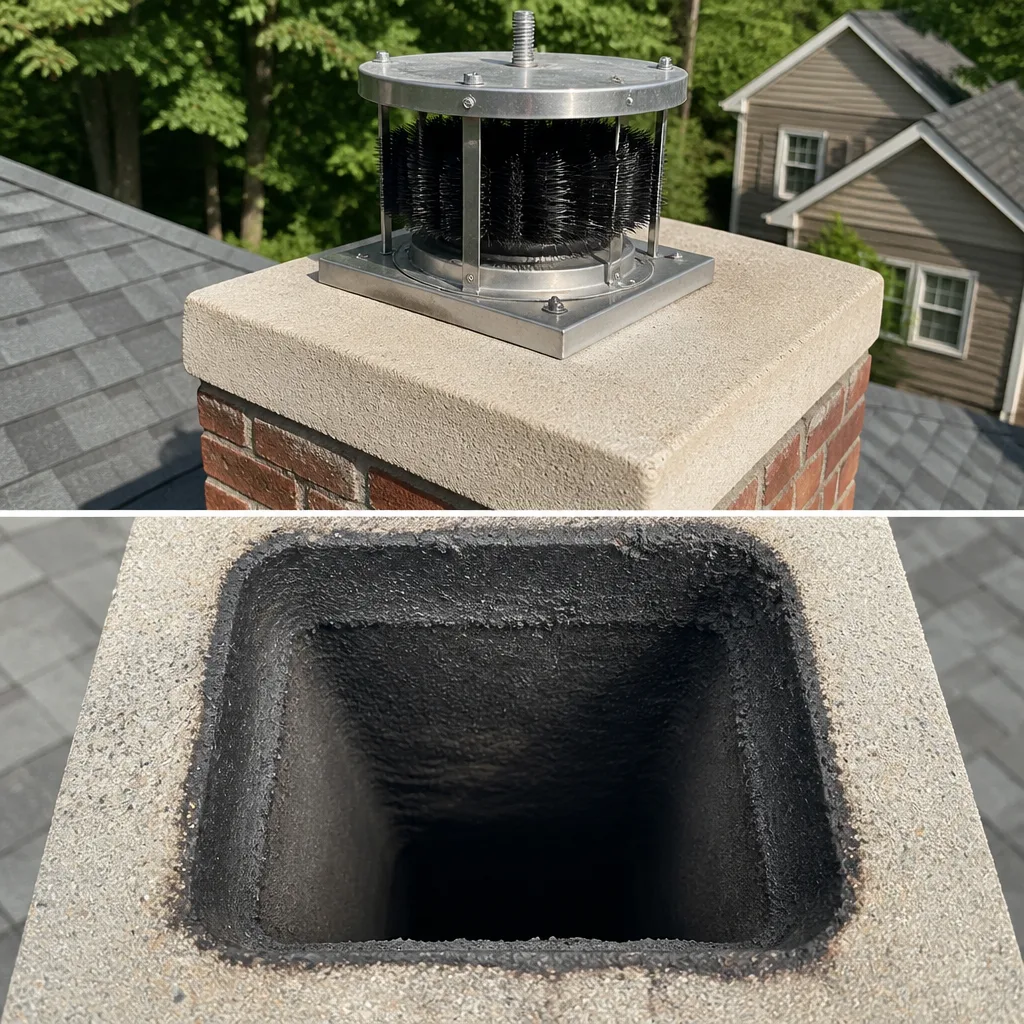
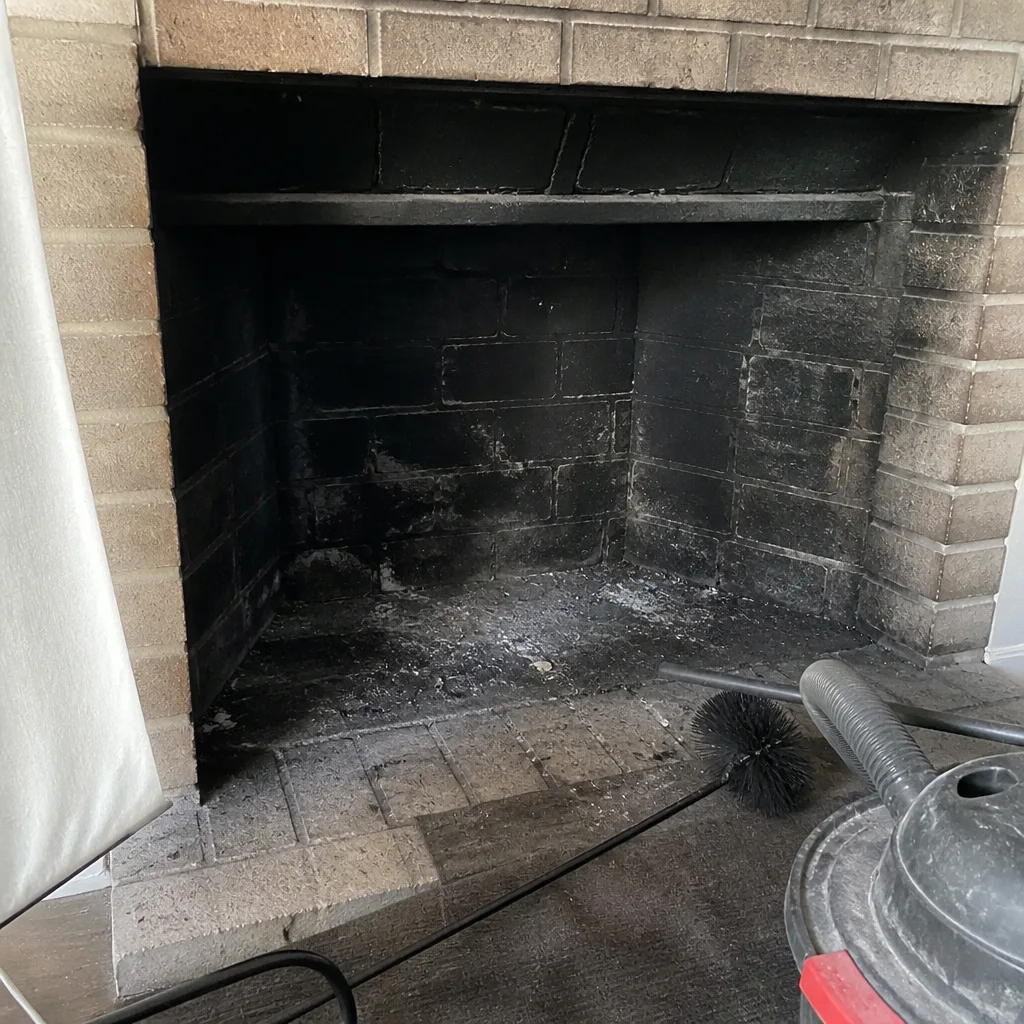 Before
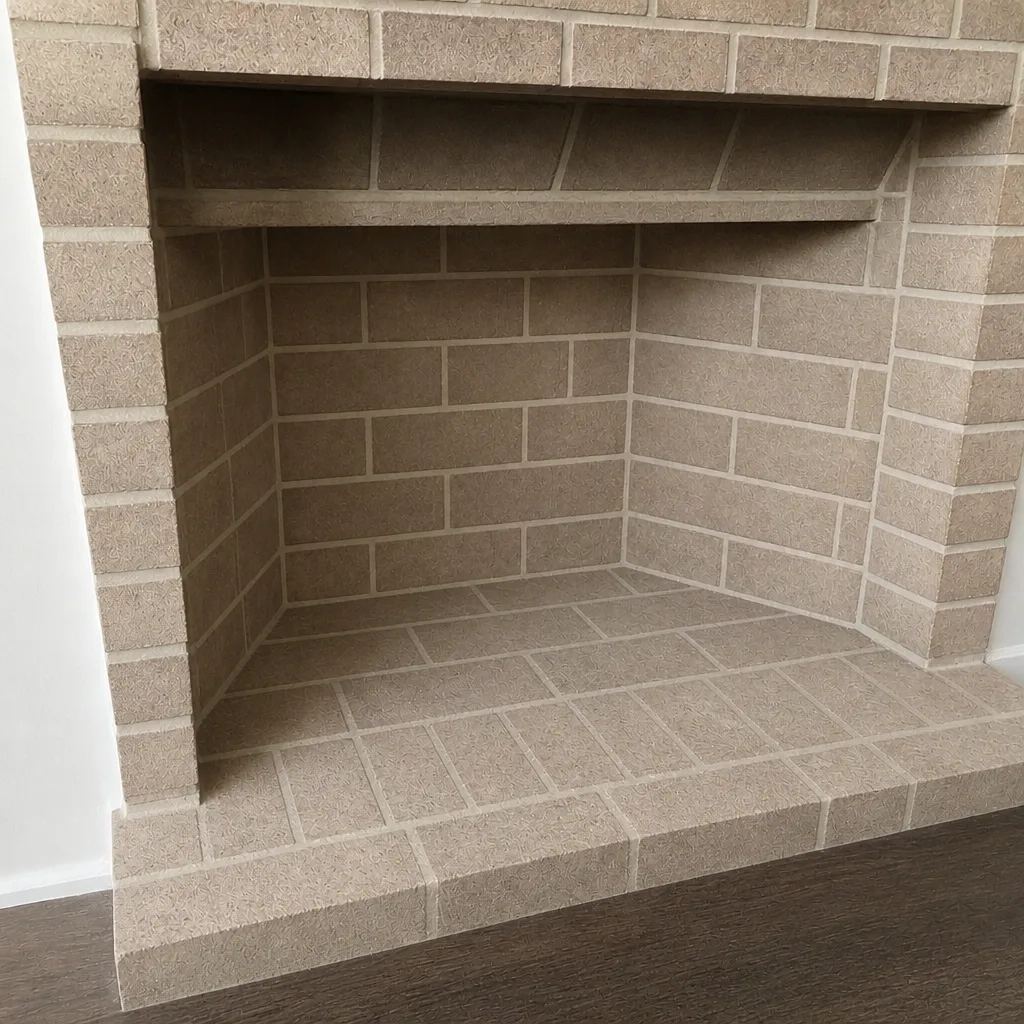 After
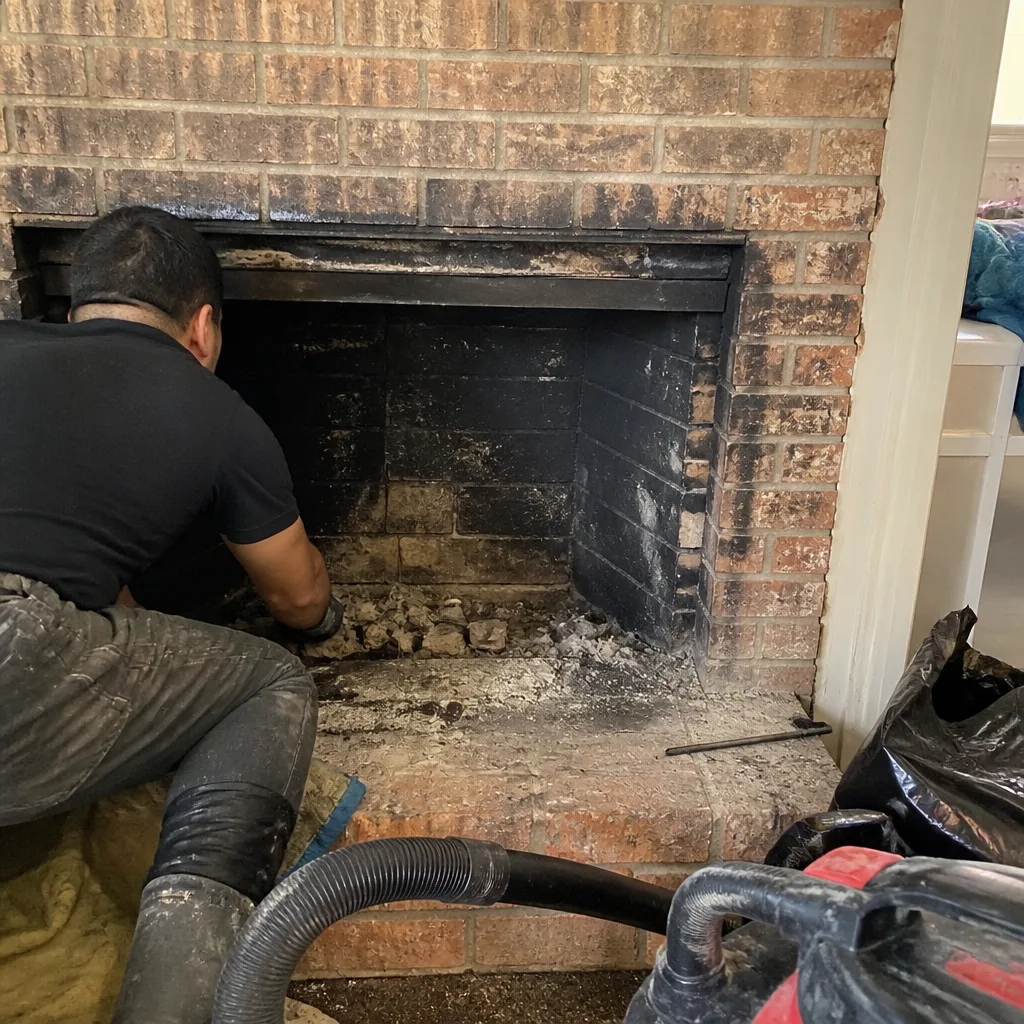 Before
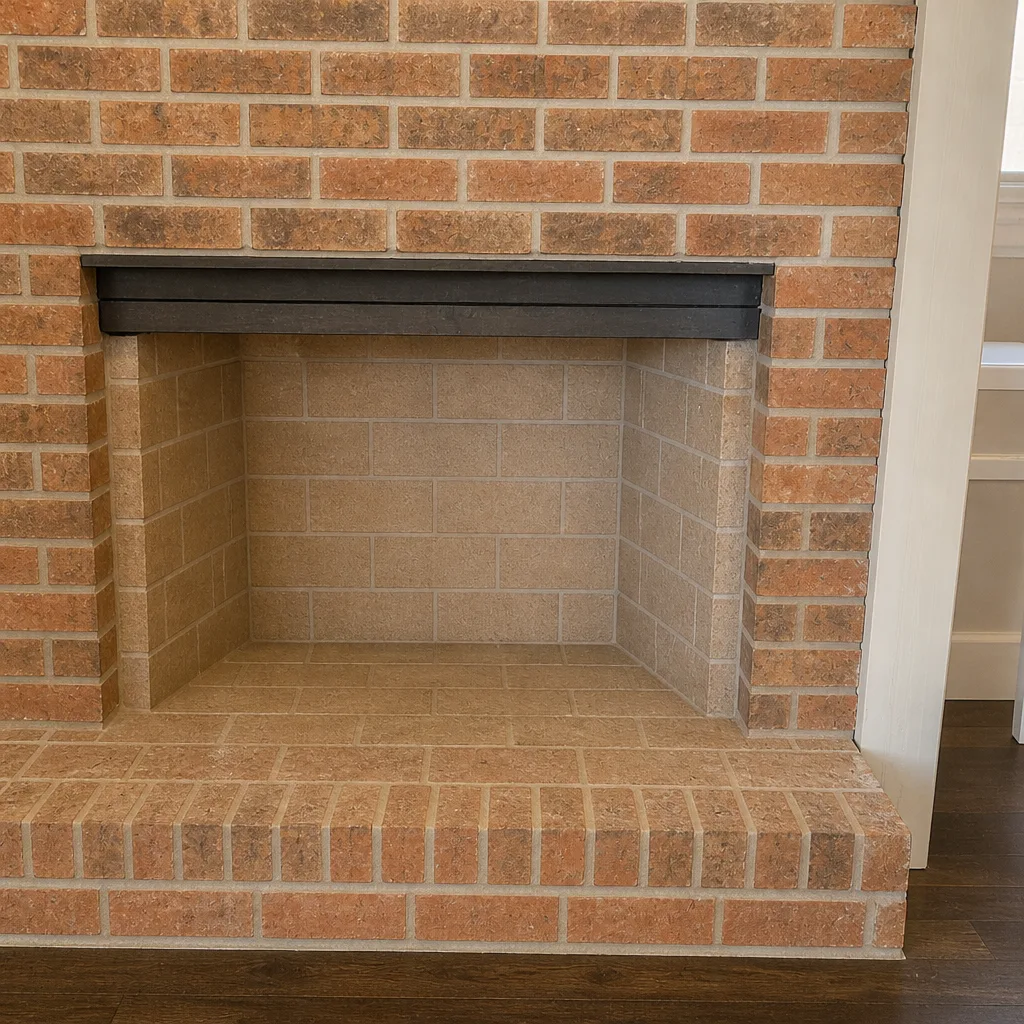 After
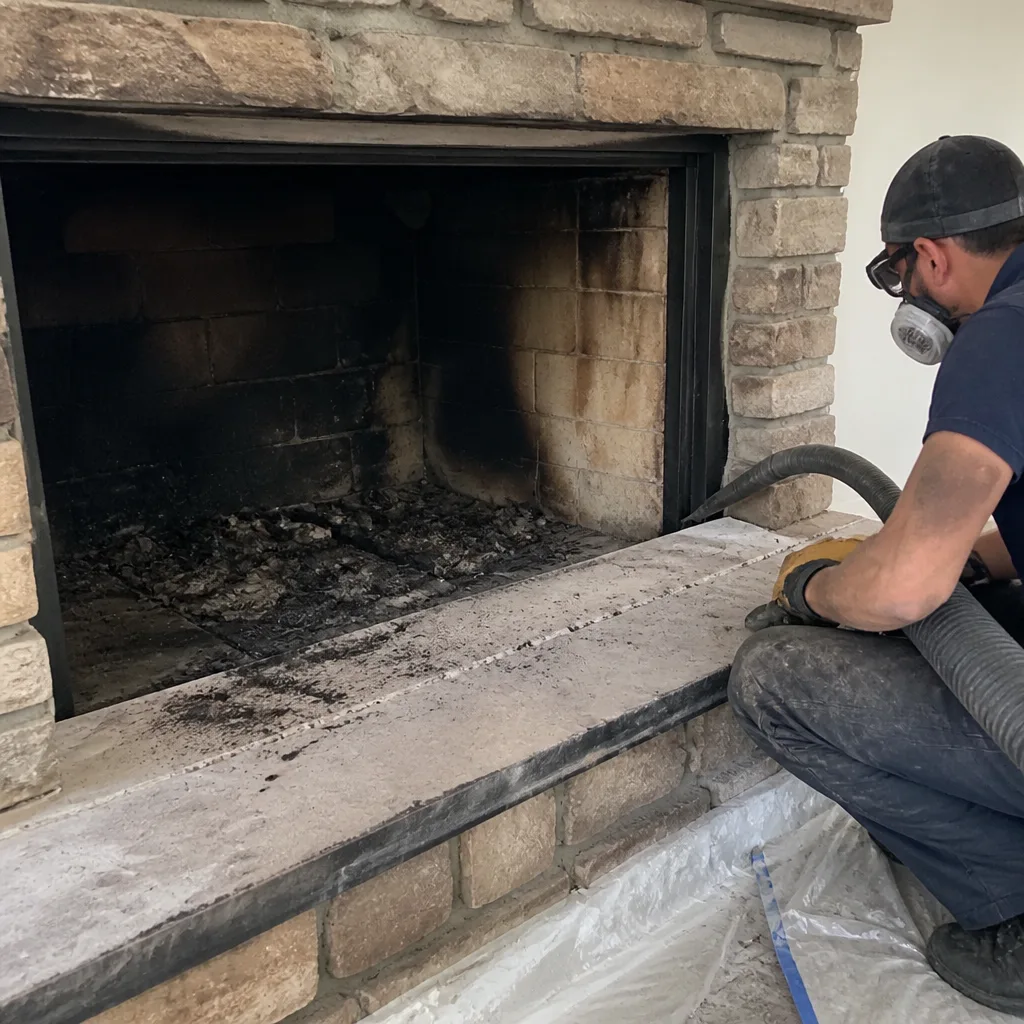 Before
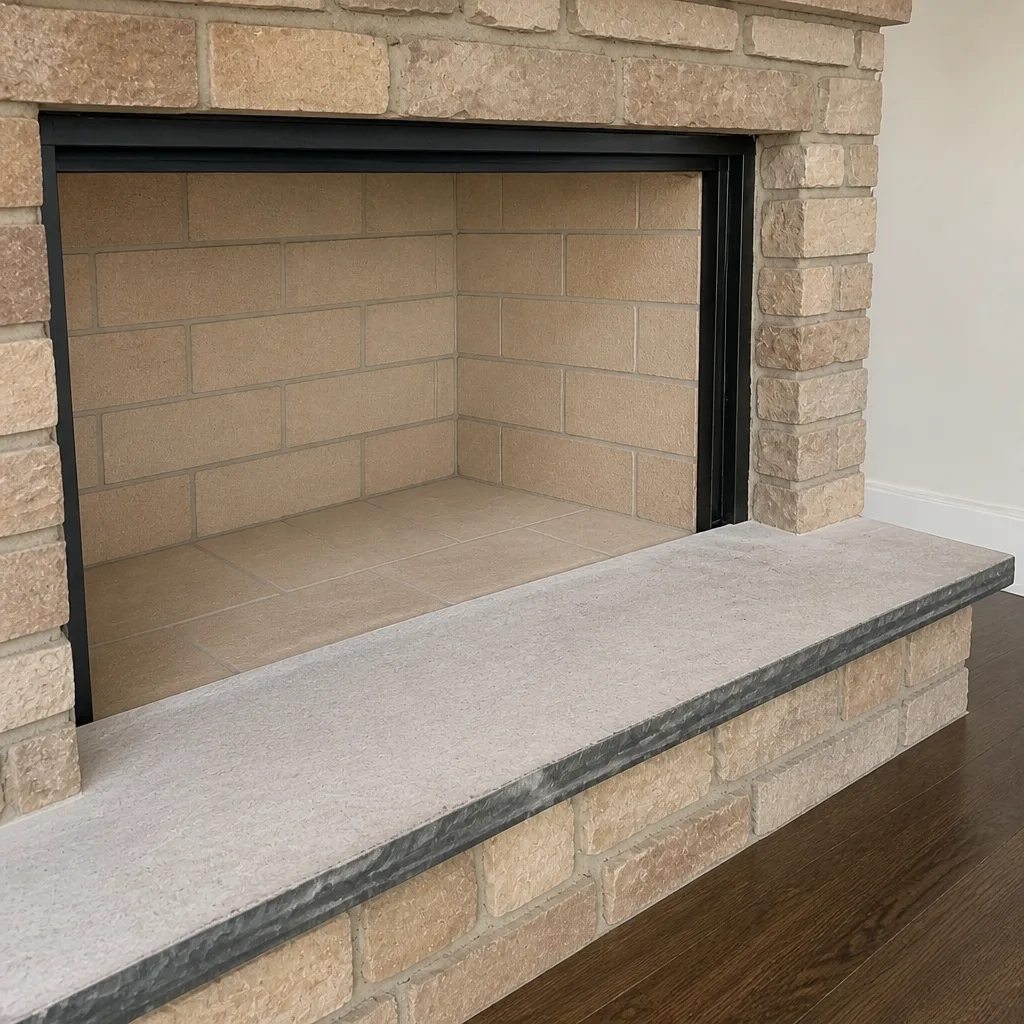 After
When to Call a Professional
Call a professional if any of the following apply: the firebox has loose brick, cracked joints, or mortar coming out; smoke spills back into the room during a draft test; you notice a strong creosote smell even when no fire is burning; the cap is damaged or missing pieces; it’s been more than a year since the last cleaning; you’re preparing to sell or refinance; or you’re simply not sure what stage of creosote is in the flue. Any one of these is a reason to book. Chimney Sweep Rancho Santa Margarita offers free estimates in Rancho Santa Margarita – call (855) 726-7893. We answer 24/7, fast dispatch from 7am to 7pm, Sunday through Friday. The written estimate sets the price, and you authorize nothing until you’ve seen the evidence.
Frequently Asked Questions
You can safely handle the visual checks and draft testing, but not the flue cleaning itself. The reason is creosote: a standard brush can’t identify or remove Stage 2 and Stage 3 deposits, and those are the deposits that cause chimney fires. Without a camera scan and a trained eye, you don’t know which stage you’re dealing with. Call (855) 726-7893 for a free estimate if you want the flue evaluated properly.
You usually can’t tell from the firebox alone, which is the core problem. Signs to watch for: a strong, sharp smell even with no fire burning, visible black glaze on the flue walls if you can see them with a strong light, or a chimney that smokes less efficiently than it used to. The only reliable way to know which stage of creosote you have is a professional camera scan. Call (855) 726-7893 to book a free estimate.
Three things. First, a camera scan of the full flue length, which finds cracked liner tiles and offsets that aren’t visible from the firebox. Second, a calibrated draft test with a CO meter during a controlled test fire, which the homeowner shouldn’t perform themselves. Third, and often most important, a documented inspection report – with photos – that establishes condition for insurance and resale purposes. Call (855) 726-7893 to schedule.
It can. If a chimney fire occurs after a homeowner’s own cleaning, the insurer may ask for a professional inspection record and there won’t be one. A professional inspection gives you a documented statement of the chimney’s condition. That’s a meaningful protection in Rancho Santa Margarita’s wildland-urban interface zone, where chimney condition is a factor in home survivability. Call (855) 726-7893 for an inspection with a written report.
Annual cleaning and inspection is the general recommendation for most households. Homes that burn frequently through the winter, or burn larger quantities of wood in a single season, may need more frequent cleaning. Homes that use the fireplace occasionally may need it slightly less. A professional inspection establishes your house-specific interval. Call (855) 726-7893 for a free estimate.
If it’s been more than a year since the last cleaning, have it inspected before the next fire – especially if the fireplace has seen heavy use. The firebox tells you about the firebox. The flue liner and smoke chamber are the parts you can’t see, and those are where problems usually start. Call (855) 726-7893 to book an inspection before the burning season.
The Bottom Line
DIY chimney cleaning isn’t stupid, but it’s incomplete. The three safe homeowner tasks – firebox check, cap inspection, draft testing – are worth doing and worth doing well. They keep you aware of your chimney between visits. The flue cleaning itself is a different problem. Brushing soot is easy. Assessing creosote condition, finding cracked liner tiles, and documenting the result for insurance and resale are not. In Rancho Santa Margarita’s WUI zone, those gaps matter more than in a dense neighborhood. The hybrid approach – safe DIY checks between professional visits – gives you the best of both. For the professional visit, call (855) 726-7893. We answer 24/7, fast dispatch from 7am to 7pm, Sunday through Friday. Estimates are free, the written estimate sets the price, and you authorize no repair until you’ve seen the evidence. That’s the standard your chimney deserves, and it’s the one a Chimney Sweep Rancho Santa Margarita visit is built around.
Written by the team at Chimney Sweep Rancho Santa Margarita.