
Last updated November 25, 2026
 Sweep & inspection
 Caps & crowns
 Flue relining
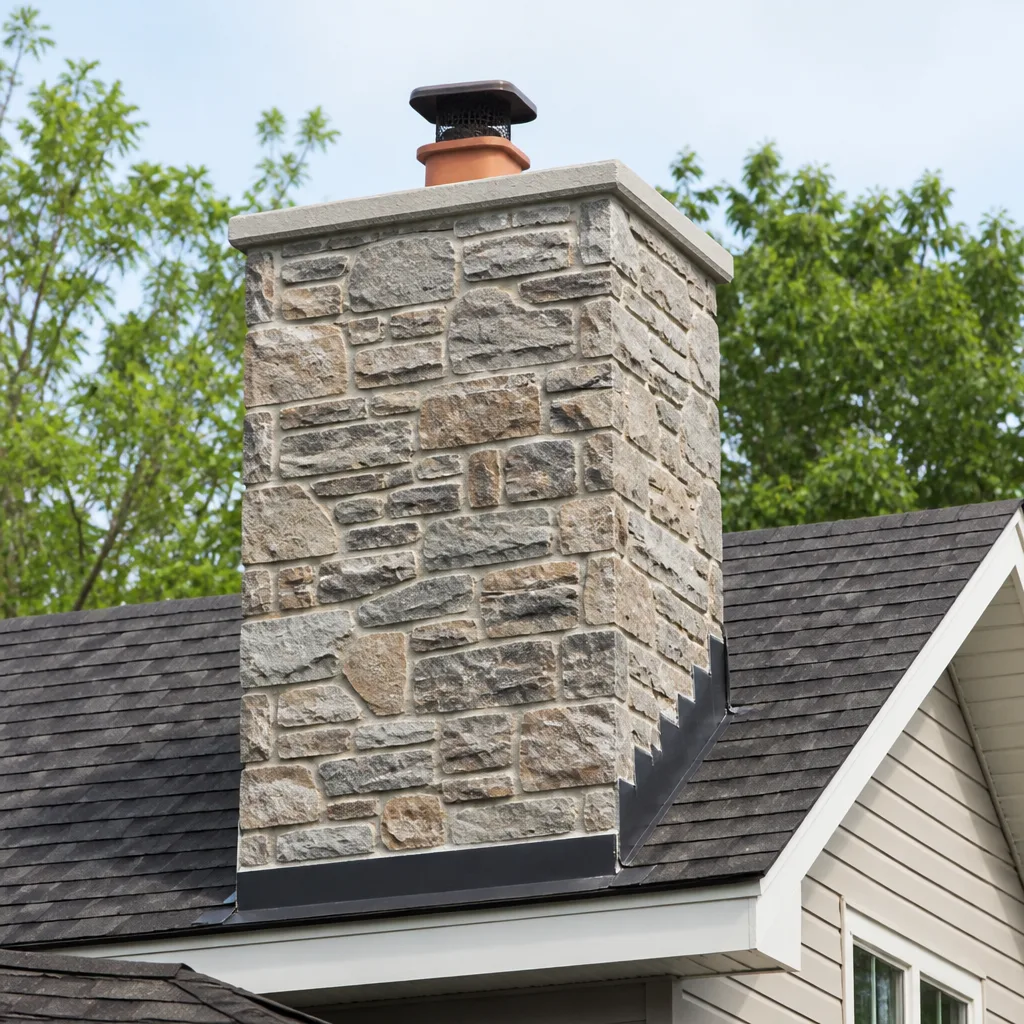 Masonry repair
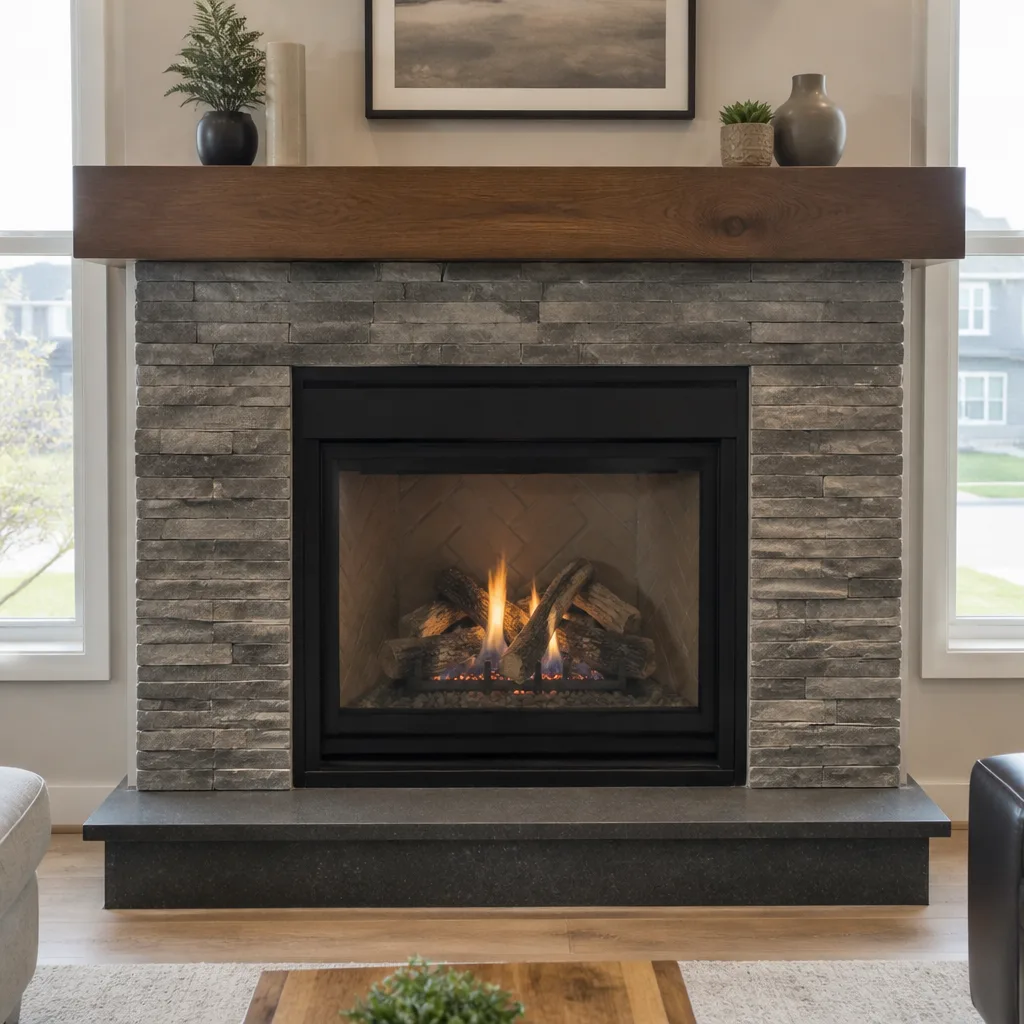 Gas fireplace service
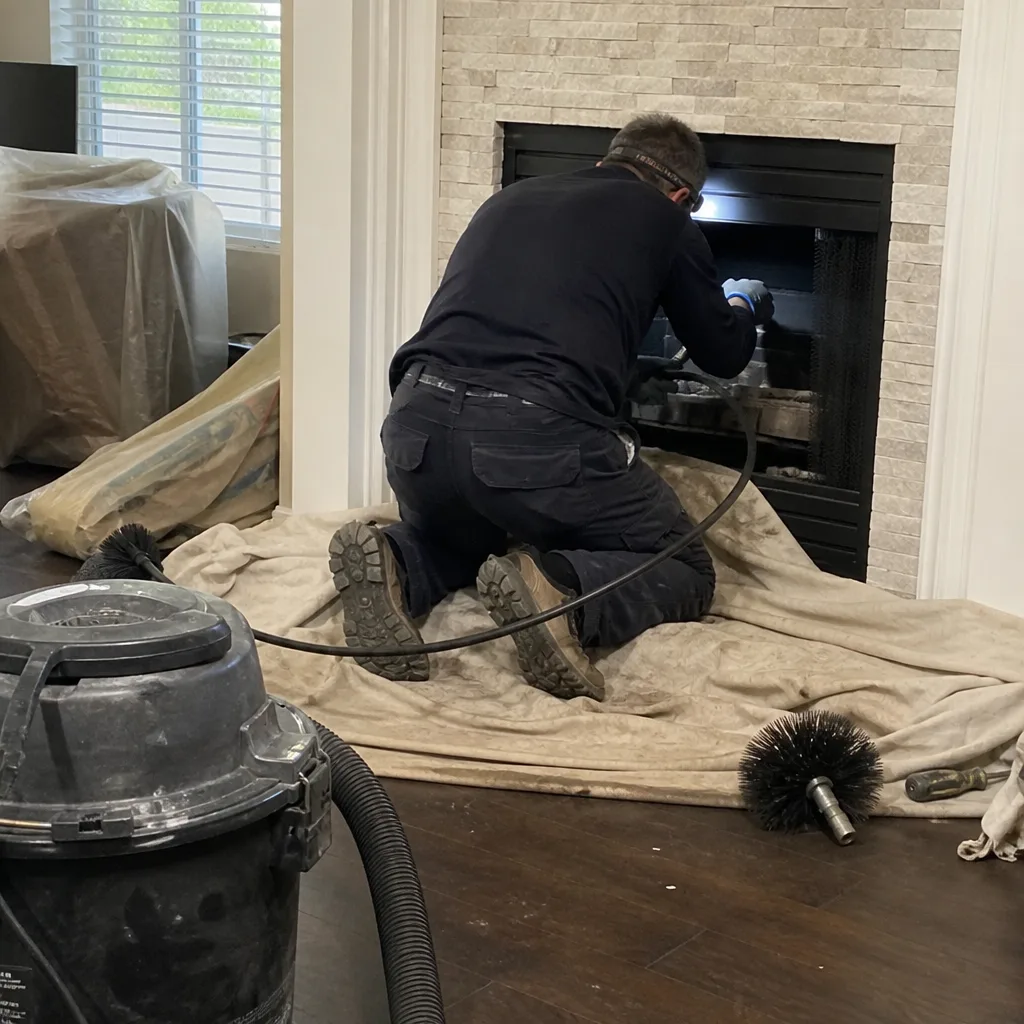
Level 1 sweep and inspection to the NFPA 211 annual standard - flue, crown, cap, and flashing checked and photographed
Chimney sweep logs do not sweep chimneys. They loosen some creosote - which then falls where a brush and vacuum still have to collect it.
Chimney Sweep Maintenance Checklist for Rancho Santa Margarita Homeowners
The advice most homeowners get about their chimney, inspect it once a year and sweep as needed, comes from a national standard written for an average American climate. Rancho Santa Margarita isn’t average. We sit in a Wildland-Urban Interface zone, we burn seasonally rather than continuously, and our chimneys spend most of the year baking in dry heat before the Santa Ana winds arrive. That combination creates a specific pattern of wear that a New England maintenance calendar will never catch. This checklist is built from the ground up for how Rancho Santa Margarita chimneys actually age, and it covers what to check, what to photograph, and when a phone call matters more than a to-do list.
Quick Answer
A chimney maintenance checklist for Rancho Santa Margarita should follow the local calendar, not the national one: pre-fire-season prep in late summer, a post-Santa-Ana inspection in fall, the main cleaning window mid-winter, and a spring wildlife exclusion check. Every Rancho Santa Margarita homeowner should also inspect cap, crown, flashing, and stucco joints between professional visits and keep dated photos of each. Annual professional inspection and sweeping remain the baseline, but the timing and the exterior checks are what change here.
Styles & brands we work with
- Sweep & inspection
- Caps & crowns
- Flue relining
- Masonry repair
- Gas fireplace service
Table of Contents
- Why a Standard Checklist Fails in Rancho Santa Margarita
- The Month-by-Month Chimney Calendar for Rancho Santa Margarita
- Exterior Checks for Stucco and Tile-Roof Homes
- The Pre-Season Creosote Smell Test
- Documenting Your Chimney With Your Phone
- What You Can Do Yourself vs. What Voids Coverage
- What the Wildland-Urban Interface Zone Means for Your Chimney
Why a Standard Checklist Fails in Rancho Santa Margarita
The once-a-year rule most people quote comes from NFPA 211, the national standard for chimneys, fireplaces, vents, and solid fuel appliances. It’s a good floor. But it was written to cover average use in average climates, and Rancho Santa Margarita doesn’t burn like an average climate. Most homes here light fires for a few months and then shut the damper for the rest of the year. That seasonal pattern builds creosote differently than steady winter burning does.
There’s a second factor: our summers. Months of dry heat and low humidity pull moisture out of masonry. Then the first rains of the season arrive and the masonry absorbs water fast. Stucco and tile roofs common in Rancho Santa Margarita tract homes hold up well to that cycle when everything is intact, but any crack in the crown or gap at the flashing lets water track straight into the flue structure. Water damage, not fire, is the most common structural problem we find here.
And then there’s the Wildland-Urban Interface. A large share of Rancho Santa Margarita sits inside or near a Wildland-Urban Interface zone, which triggers additional inspection criteria most homeowners have never been told about. Embers, dry vegetation close to the structure, and a chimney cap that doesn’t screen properly are real concerns here in a way they aren’t in a dense urban neighborhood.
So the checklist below follows the local calendar and addresses local threats. If you want the baseline service behind it, our Chimney Sweep Rancho Santa Margarita page covers what a professional visit includes.
The Month-by-Month Chimney Calendar for Rancho Santa Margarita
This is the calendar we’d hand any Rancho Santa Margarita homeowner who wants to stay ahead of problems rather than react to them. It assumes a wood-burning fireplace used mainly in the cooler months, with some gas fireplaces in the mix. Gas fireplaces still need annual inspection, though the creosote load is different.
Late Summer (August to early September): Pre-Fire-Season Prep
Before the first fire, you want a clean flue and an intact exterior. This is the window for a professional chimney sweep and inspection, because any needed repair can still be scheduled before the season starts.
- Book a professional inspection and sweep before your first fire.
- Clear any dry vegetation, leaves, or debris from around the chimney base and roofline.
- Check the cap screen for nests, debris, or rust-through.
- Open the damper and confirm it moves freely.
- Do the smell test described below before lighting up.
Fall (October to November): Post-Santa-Ana Inspection
The Santa Ana winds typically arrive in fall and bring gusts that stress chimney caps, loosen flashing, and drive debris into flues. After the first strong wind event of the season, walk the exterior. Look for a shifted cap, cracked crown, or debris visible at the top of the flue from the ground. If anything looks off, get it checked before you start burning.
Mid-Winter (December to February): Cleaning Window
If you burn regularly, mid-season is the time to check creosote buildup. A professional sweep can assess buildup and clean before it reaches a stage that needs chemical treatment. This is also when we see the most chimney fires, and the most calls from homeowners who notice an odd smell or a slower draft.
Spring (March to April): Wildlife Exclusion Check
Birds and small mammals look for sheltered spots to nest, and an uncapped or poorly screened flue is prime real estate. Spring is when we find the most nests. Check the cap and screen, and if you see signs of nesting, don’t try to remove it yourself. Call a professional.
Summer (May to July): Structural Review
Hot, dry months are the best time for masonry work. If the inspection flagged a hairline crown crack, spalling brick, or a flashing issue, summer is when repairs are easiest to complete without weather delays. It’s also a good time to photograph the exterior for your records.
Exterior Checks for Stucco and Tile-Roof Homes
Most Rancho Santa Margarita homes are stucco with tile roofs, and that construction changes what a homeowner should look at on the outside of the chimney. The stucco chimney chase is a solid, weather-tight skin, but it’s also a surface where cracks telegraph from the crown down into the wall. Tile roofs shed water quickly but hide flashing problems until staining appears inside a ceiling.
These are the exterior items we recommend checking on foot, from the ground where possible:
- Crown condition. The crown is the sloped concrete or mortar cap at the very top. Any crack visible from the ground is worth a closer look. A cracked crown lets water in, and water is what causes most of the costly damage we repair.
- Cap and screen. Is the cap sitting level? Is the screen intact, or pushed in or rusted through? Is there debris on top of the cap?
- Stucco cracks. Look at the chimney chase where it meets the wall. Hairline cracks in stucco are common and often benign, but a crack that’s growing or a patch of stucco that sounds hollow when tapped suggests moisture behind it.
- Flashing at the roofline. The flashing is the metal that seals the gap between the chimney and the tile roof. Look for lifted edges, gaps, or rust streaks running down the tiles below it.
- Staining on the stucco. A vertical stain or a darkened patch is a sign water is tracking from somewhere above. Trace it up.
- Efflorescence. A white, powdery deposit on brick or stucco is a sign moisture is moving through the masonry and leaving minerals behind as it dries.
None of these checks require you to get on the roof. Use binoculars from the ground, or photograph from a safe vantage point with a zoom lens. If anything looks wrong, that’s when we recommend a professional inspection rather than a homeowner climbing up.
The Pre-Season Creosote Smell Test
Creosote is the tar-like residue left behind as smoke cools on the walls of the flue. It builds up in layers, and it’s the fuel for most chimney fires. You can get a rough, no-tools read on creosote buildup before the first fire of the season with a simple smell test.
- Open the damper and get close to the firebox, without lighting anything.
- Sniff the air coming down the flue. Fresh, clean air is a good sign.
- A strong smoke or tar smell suggests active buildup near the flue top, especially after months of disuse.
- A sour, musty smell can mean moisture, a nest, or a downdraft problem rather than creosote.
- If the smell is pronounced, book a sweep before lighting up. Don’t test it by burning.
This test is a rough indicator, not a substitute for an inspection. A camera inspection is what tells you how thick the creosote layer actually is, and thickness drives how the flue gets cleaned. Burning off a heavy layer of creosote with a hot fire is exactly how chimney fires start, so if the smell is strong, the right move is a professional visit, not a match.
On the inspection side, we work with professional-grade product lines including Olympia Chimney and Famco when a repair or replacement is warranted. The inspection always comes first. You’ll see what the camera sees before anything is recommended.
Documenting Your Chimney With Your Phone
Photographing your chimney between professional visits does two useful things: it creates a dated record of condition, and it makes any change obvious when you compare photos. We recommend doing this four times a year, at the same points in the calendar above.
What to photograph:
- Wide shot of the chimney from the ground. A consistent angle each time lets you compare side by side.
- Close-up of the crown and cap. Use zoom. Look for cracks, rust, or debris on this one.
- Stucco seams where the chimney meets the wall. Note any new hairline cracks.
- Flashing and roofline at the chimney base. Photograph the tiles below the flashing to catch staining.
- The firebox interior. Look for cracks in the firebrick or a crumbling mortar joint.
- The damper. Photograph it open and closed to confirm it’s seating correctly.
Why bother? Because cracks spread slowly, and a homeowner who has a photo from April and another from October can tell instantly if the crack in the crown has grown. That comparison is also useful when a repair is being quoted. You have a baseline. And if a home sale is in your future, a dated photo log is a helpful handoff to the buyer.
If you do find a growing crack, the next step is a professional look. Our chimney repair page explains how we diagnose the cause before quoting any work. HeatShield, a ceramic resurfacing system, is one option we use to restore flue interiors when a full replacement isn’t required.
What You Can Do Yourself vs. What Voids Coverage
There’s a real difference between tasks a homeowner can handle safely and tasks that can damage the flue, void a warranty, or create a safety hazard that isn’t obvious.
Tasks you can legitimately handle:
- Visual exterior checks from the ground, with binoculars or a zoom lens.
- Photographing the chimney for your records.
- Cleaning leaves and dry vegetation away from the chimney base.
- Testing the damper by hand.
- The pre-season smell test.
- Scheduling professional services on a calendar.
Tasks best left to a licensed professional:
- Climbing the roof to inspect the crown, cap, or flashing.
- Anything inside the flue. Brushing and chemical creosote removal require knowing the buildup stage, and using the wrong treatment on heavy creosote can be dangerous.
- Firebox and firebrick repairs. Brick and mortar compound selection matters, and a bad patch can create a gap that lets fire or heat reach framing.
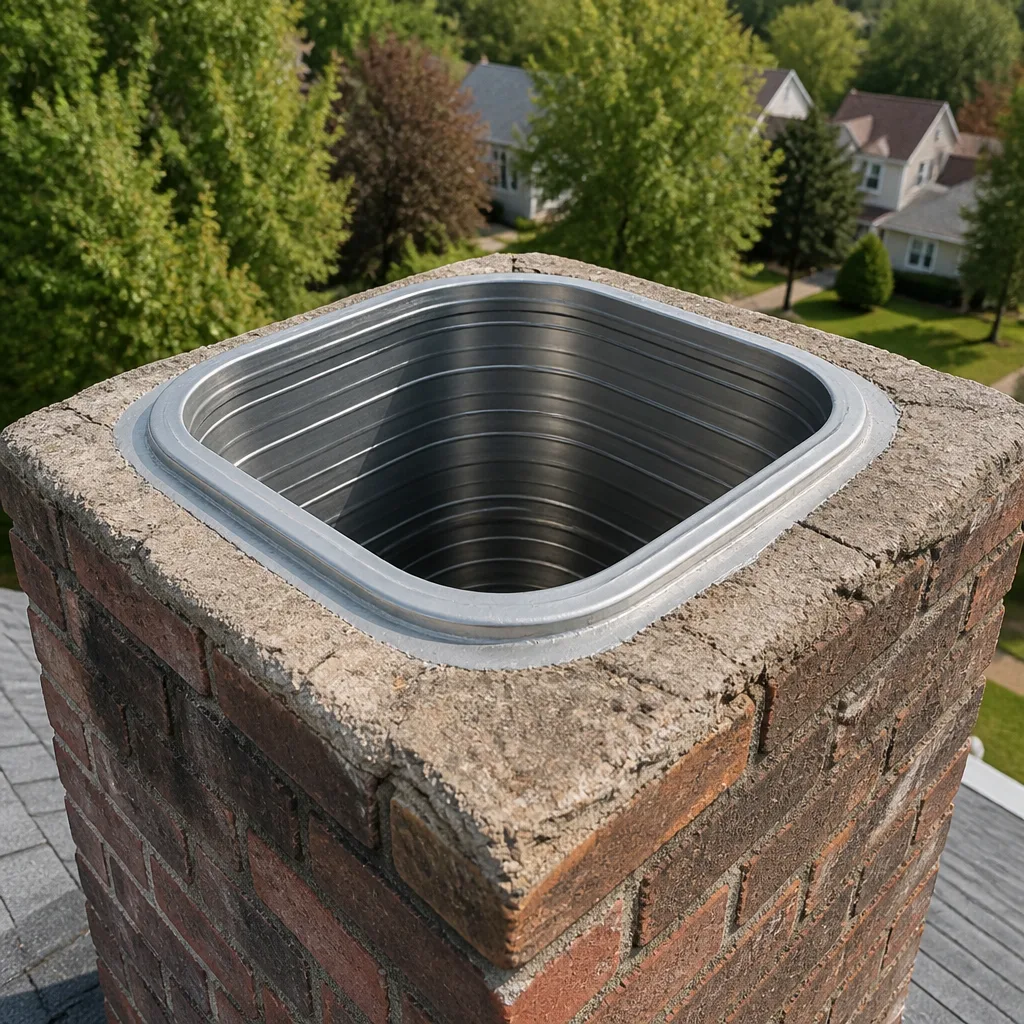
- Flue relining and cap replacement, which need sizing, proper sealing, and manufacturer-approved materials.
- Removing nests or debris without damaging the screen or flue liner.
Two safety notes: anything involving the flue interior, the firebox, or a roof climb is a job for a trained professional. Chimney work combines height, heat, and residue that can ignite, and a homeowner has no way to judge the condition of a firebox or the integrity of a flue liner by eye alone. That’s a firm line for us, not a liability hedge.
For firebox cracks and masonry repairs, our fireplace repair page walks through the repair-first options. When a firebox interior is deteriorated but structurally sound, HeatShield can resurface it rather than requiring a full rebuild. That approach keeps the original structure in place when the diagnosis supports it.
What the Wildland-Urban Interface Zone Means for Your Chimney
The Wildland-Urban Interface zone around Rancho Santa Margarita means homes sit near open vegetation, and embers from a nearby fire can travel well ahead of a flame front. Your chimney is one of the few openings into the structure that stays open when a fireplace isn’t burning, so proper capping and screening matters more here than in a dense urban area.
What that means in practice for Rancho Santa Margarita homeowners:
- An intact cap and screen is a fire-safety item, not just a wildlife or rain stopper. A cap with gaps lets embers in.
- Vegetation clearance around the chimney area is worth checking before fire season. We don’t do landscaping, but a dry shrub pressed against the structure is a real concern.
- Debris on the roof and in the flue should be cleared before fire season, not after.
- Crown and flashing integrity protect the structure from water damage, which weakens it over time and makes it more vulnerable in any kind of storm or fire event.
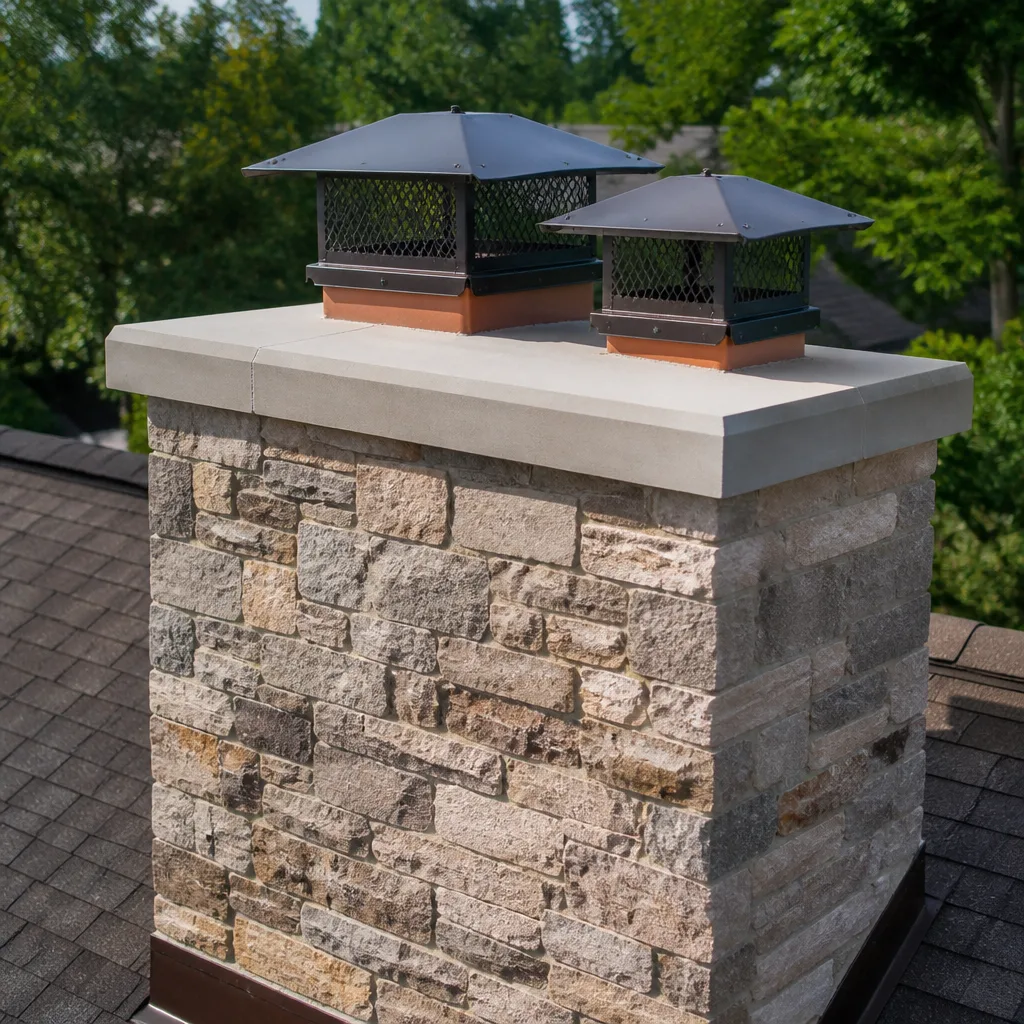
Our chimney cap and crown installation uses established supply-chain brands, including Copperfield and Gelco, rather than off-brand hardware-store materials. The reason is simple: a cap that rusts through in a few years provides no protection. We’d rather install one that holds up through many Rancho Santa Margarita summers.
If your home sits near open space, wildland, or the ridgelines that surround Rancho Santa Margarita, we recommend an annual inspection without exception, and we recommend confirming that your cap and screen are fully intact before fire season each year. This is one of the questions we ask on every inspection call.
Common Mistakes to Avoid
- Skipping the inspection because you “barely burned” last season. Creosote builds in layers, and a light season doesn’t mean a clean flue. Nesting wildlife, a cracked crown, or water intrusion can all develop without any fire in the box.
- Assuming the annual rule applies the same way here as elsewhere. The national standard is a floor, not a tailored plan. In Rancho Santa Margarita, the Wildland-Urban Interface criteria and the fall Santa Ana winds add inspection points that a generic checklist misses.
- Climbing the roof to check the cap yourself. Roof inspections are the leading cause of homeowner injuries related to chimney work. Use a zoom lens from the ground and leave the climb to a professional.
- Trying to burn off a heavy creosote layer. A very hot fire is the exact condition that turns creosote into a chimney fire. If the flue needs cleaning, get it cleaned.
- Patching stucco or crown cracks with the wrong material. Stucco, concrete crown material, and brick mortar are different products. A patch that doesn’t match the surface can trap moisture and make the underlying problem worse.
- Removing a bird nest from the flue without proper equipment. A nest can be tangled in the screen or liner, and pulling it out roughly can damage both. Leave it to a professional.
- Doing a big masonry repair in the rainy season. Rancho Santa Margarita winters are mild, but scheduling structural work in the hot, dry months gives repairs time to cure properly. If your inspection flagged crown or stucco work, plan it for not-rainy conditions.
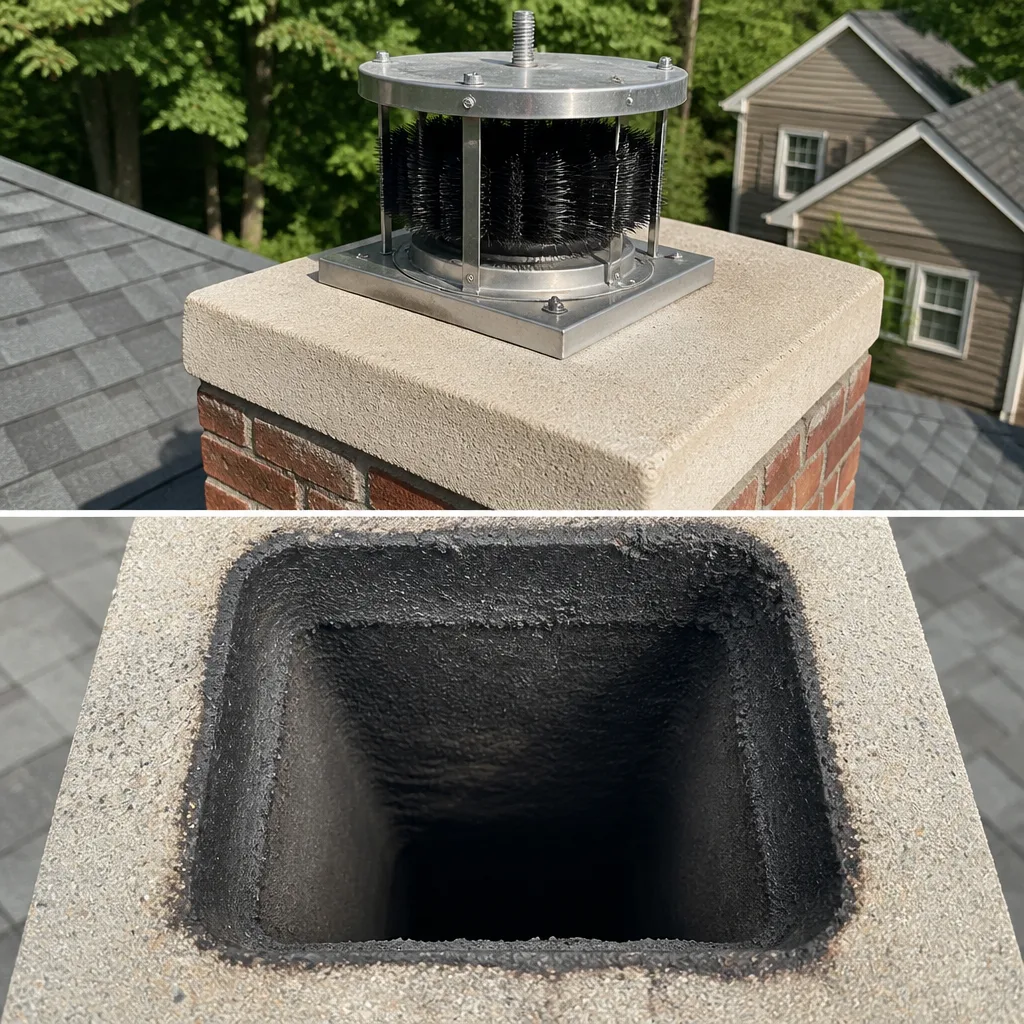
See the difference
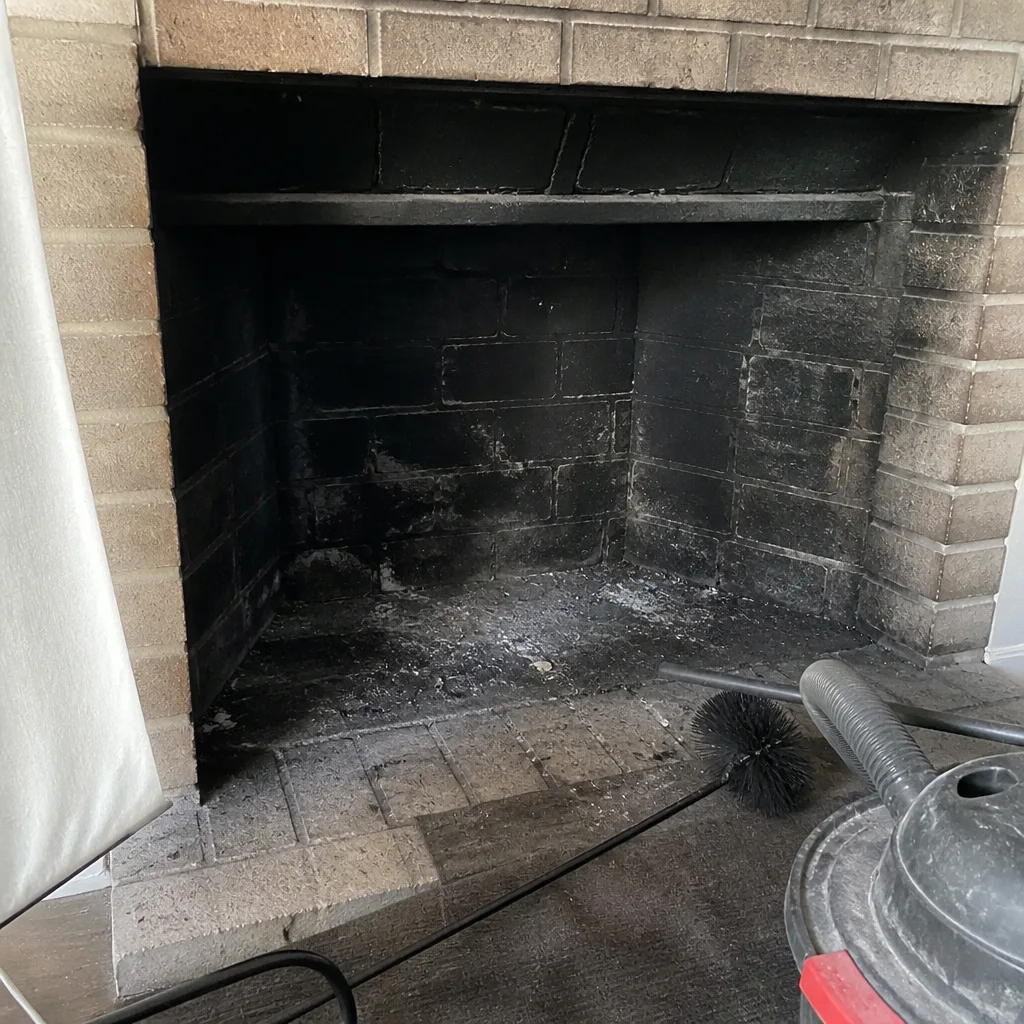 Before
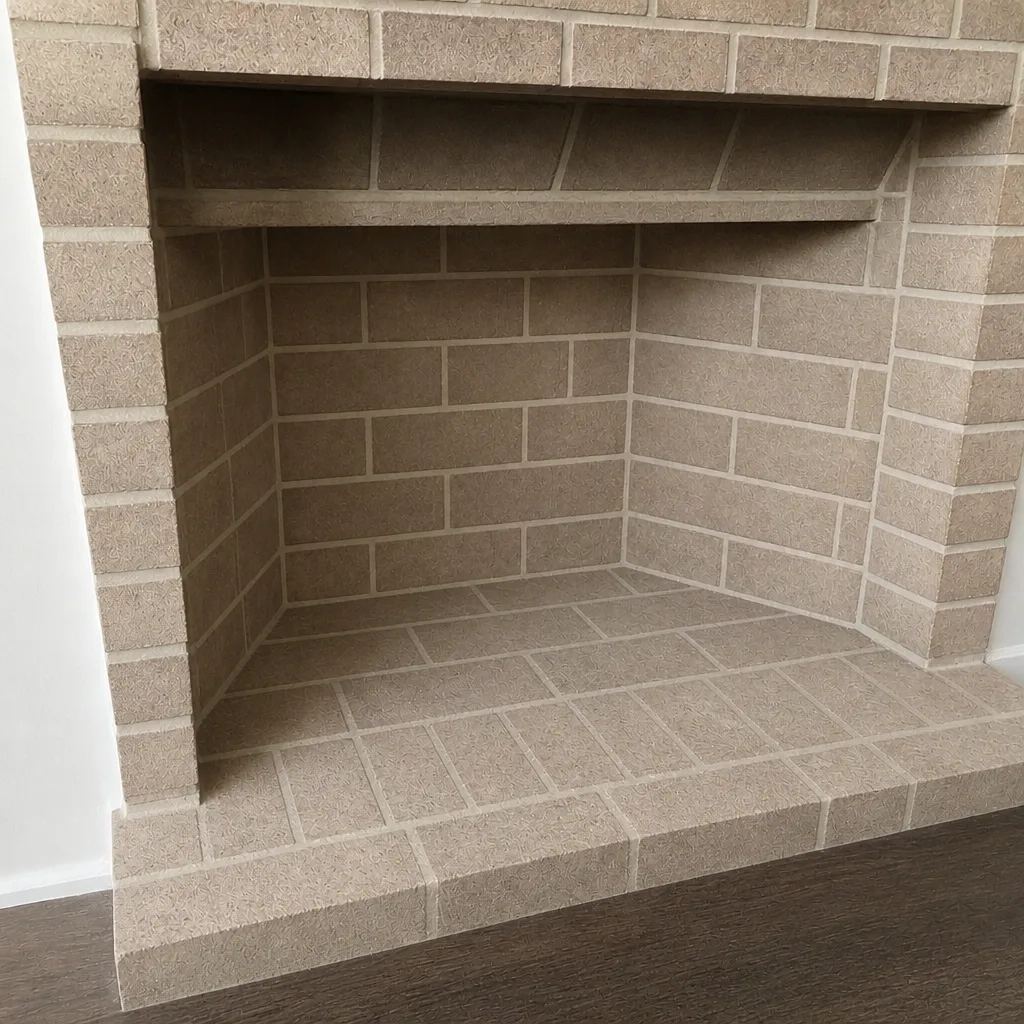 After
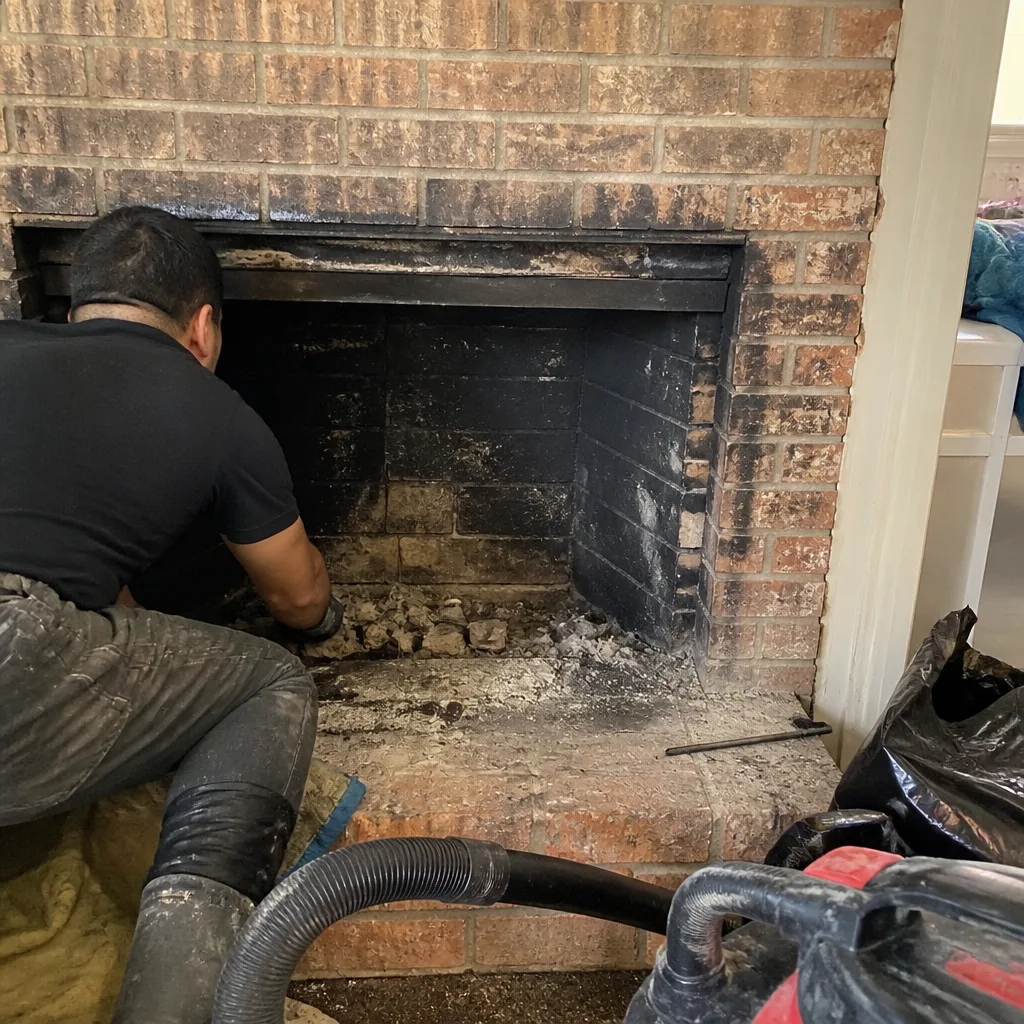 Before
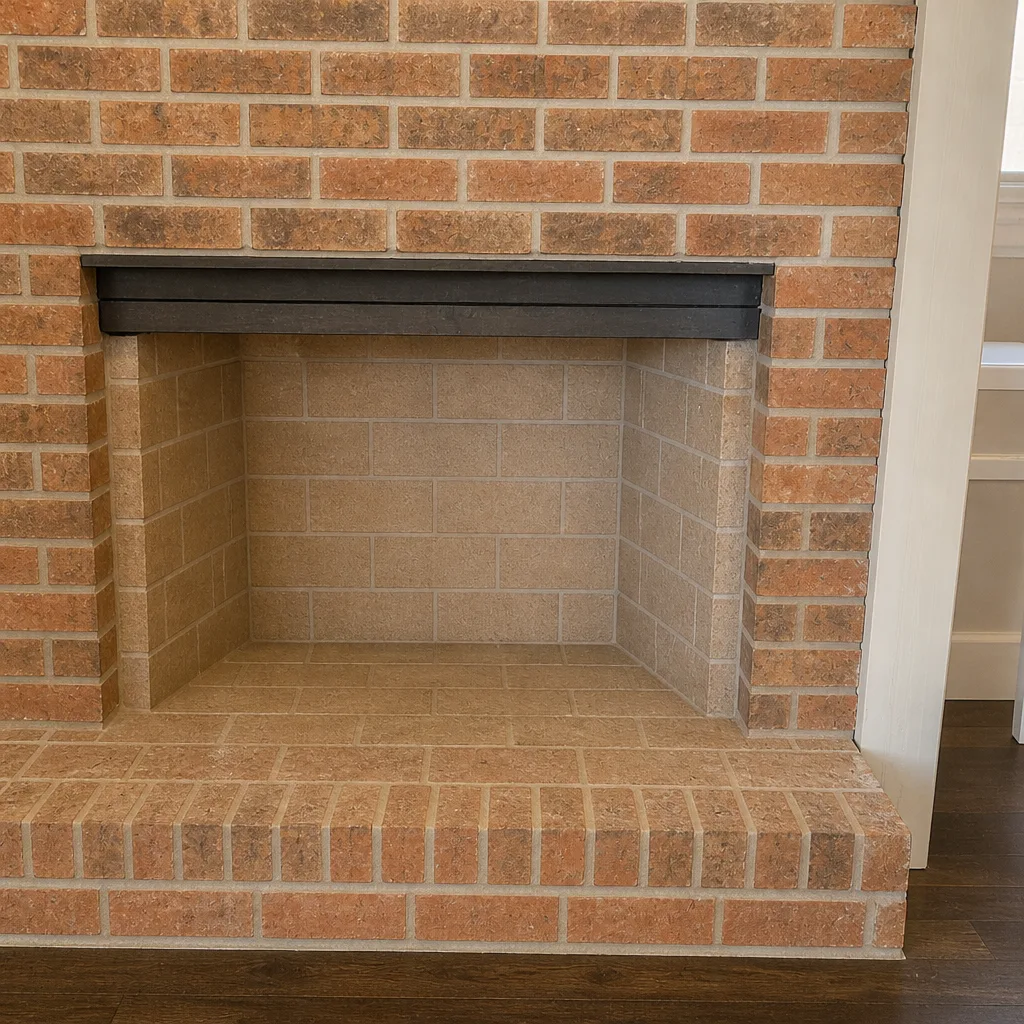 After
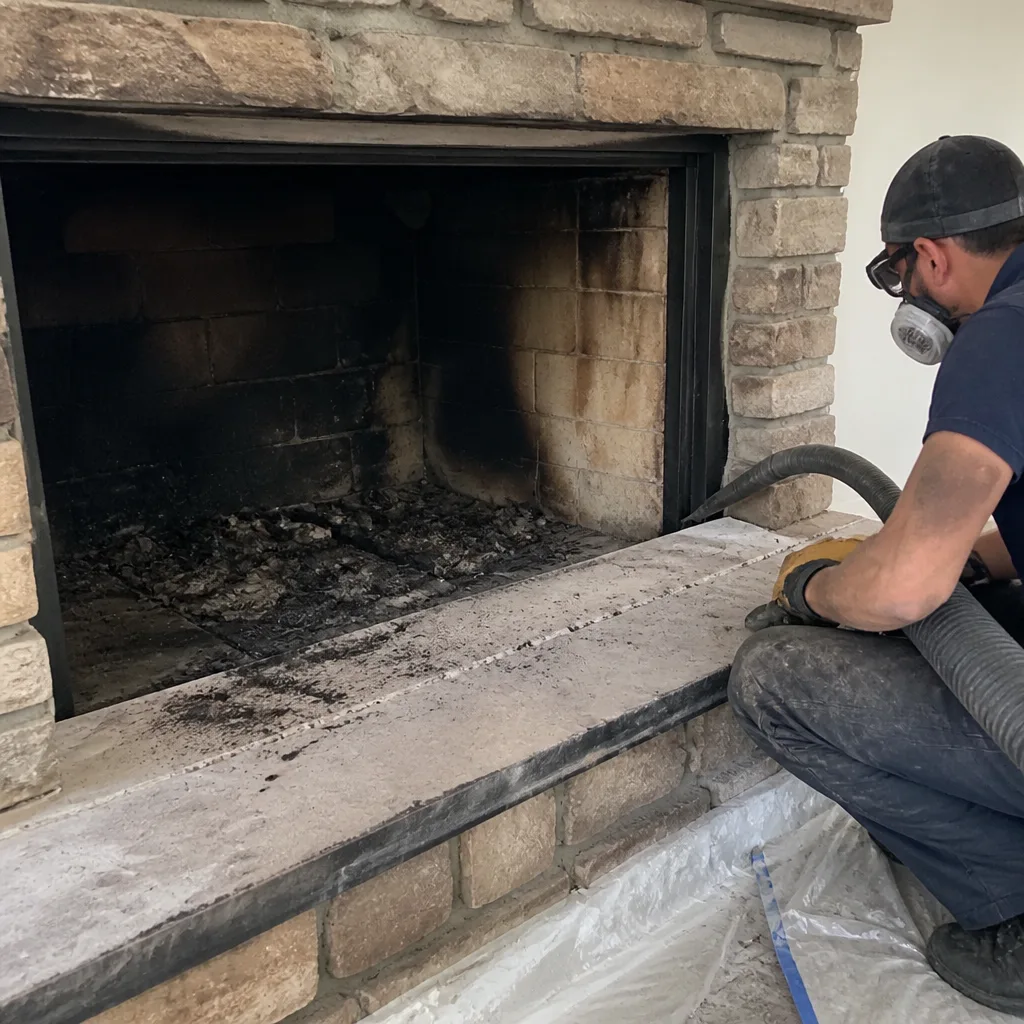 Before
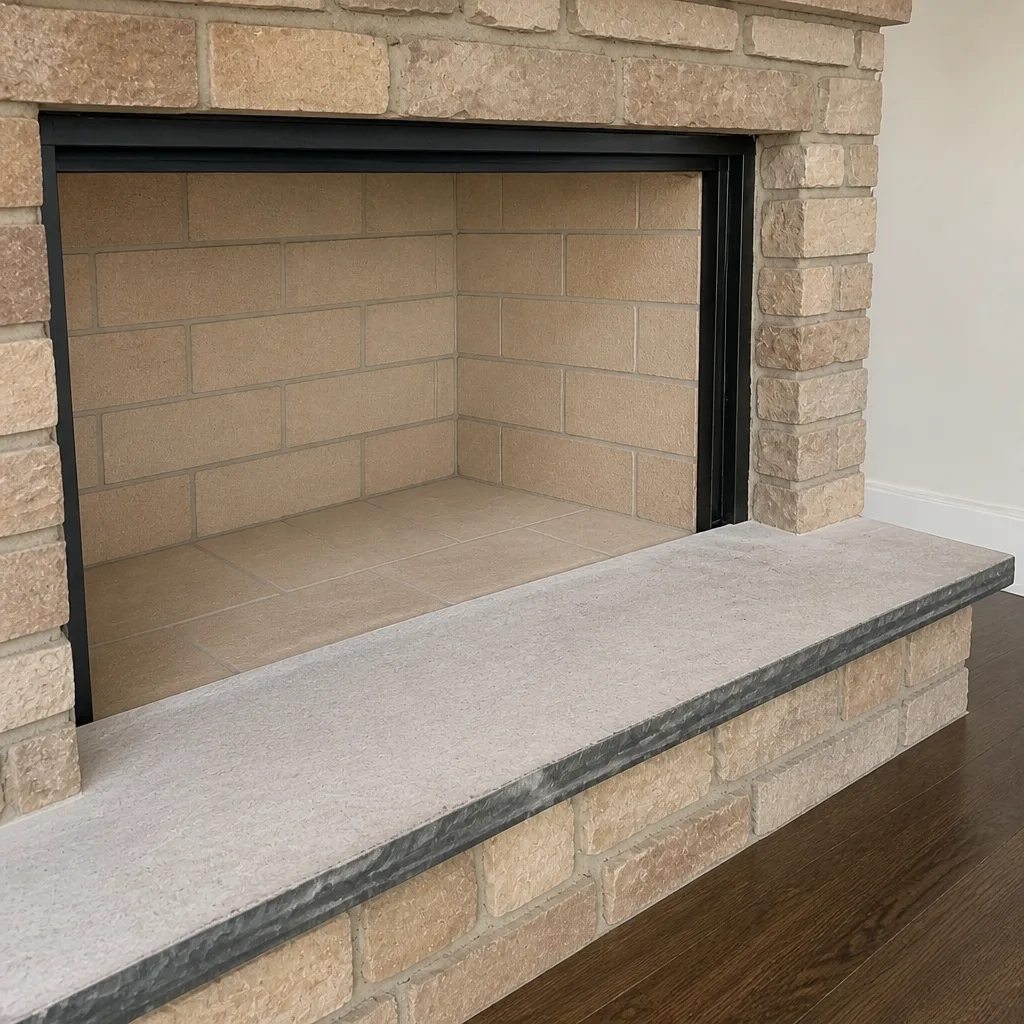 After
When to Call a Professional
Call us if any of these applies. You noticed a strong smoke or tar smell in the firebox before the season started. You saw a crack in the crown, a lifted flashing edge, or a stucco seam that’s opening up. There’s staining on the stucco or ceiling below the roofline. You suspect a bird or animal has nested in the flue. You’re preparing for a home sale and need documentation. You’ve noticed the firebox firebrick is cracked or the mortar is crumbly. Or you simply haven’t had an inspection in more than a year and want a baseline before lighting up.
Any of those is reason enough to book. Chimney Sweep Rancho Santa Margarita offers free estimates in Rancho Santa Margarita. Call (855) 726-7893. We answer 24/7. Fast dispatch from 7am to 7pm, Sunday through Friday. A local pro is licensed and insured as their state requires, and a written estimate sets the final price.
Frequently Asked Questions
Once a year is the standard for most Rancho Santa Margarita homes, but the Wildland-Urban Interface criteria and seasonal burning pattern here make it worth scheduling the annual inspection regardless of how much you burned. If you burn regularly, a mid-winter cleaning check is a good addition. Call (855) 726-7893 if you’re not sure whether it’s due. Estimates are free.
Skipping an inspection lets small problems grow. Creosote continues to build, a hairline crown crack can turn into a water path into the structure, and a nest or blockage can go unnoticed until it affects draft. A chimney fire or carbon monoxide exposure is a serious hazard, and the inspection is what catches the conditions that lead to them. Call (855) 726-7893 to book before the season. Estimates are free.
You need a new liner only if the camera inspection shows the existing one is cracked, deteriorated, or the wrong type for the appliance. Nothing is recommended without camera evidence you can see. If a resurfacing option like HeatShield is appropriate, we’ll explain that too, and if the liner is sound we’ll say so. Call (855) 726-7893. Estimates are free, and you get the inspection photo report.
A sweep cleans the flue and firebox, and an inspection evaluates condition with a camera and a photo report. On a first visit, both are typically done together so the cleaning is informed by what the inspection finds. If a sweep is done without an inspection, you know the flue is clean without knowing whether the liner is sound. Call (855) 726-7893 if you want both scheduled. Estimates are free.
Yes, and in a Wildland-Urban Interface zone it’s a fire-safety item, not just a rain and wildlife stopper. An intact cap and screen keep embers out during fire season, keep rain off the crown, and keep nesting animals from blocking the flue. We install caps from established supply-chain brands rather than off-brand hardware-store materials, so the cap holds up. Call (855) 726-7893 for a cap and crown assessment. Estimates are free.
Pricing is per job, set by the written estimate after the technician sees your chimney and completes the inspection. You’ll see the flat-price sweep agreed before booking, the inspection and photo report, and any repair recommendation with the camera evidence to support it. Call (855) 726-7893 for an exact quote. Estimates are free.
The Bottom Line
The right checklist for a Rancho Santa Margarita chimney is built around local seasons, not the national average. Pre-fire-season prep in late summer, a post-Santa-Ana inspection in fall, a cleaning check mid-winter, a wildlife exclusion pass in spring, and structural work in the dry summer months. Do the checks you can safely do from the ground, photograph the chimney four times a year so changes are visible, and let a professional handle anything on the roof or inside the flue. If you’re buying or selling a home in Rancho Santa Margarita, an inspection with a photo report is the documentation the transaction needs. Everything else follows the calendar. Book the visit, then follow the checklist between visits. Call (855) 726-7893. We answer 24/7. Fast dispatch from 7am to 7pm, Sunday through Friday.
Written by the team at Chimney Sweep Rancho Santa Margarita.