
Last updated November 25, 2026
 Sweep & inspection
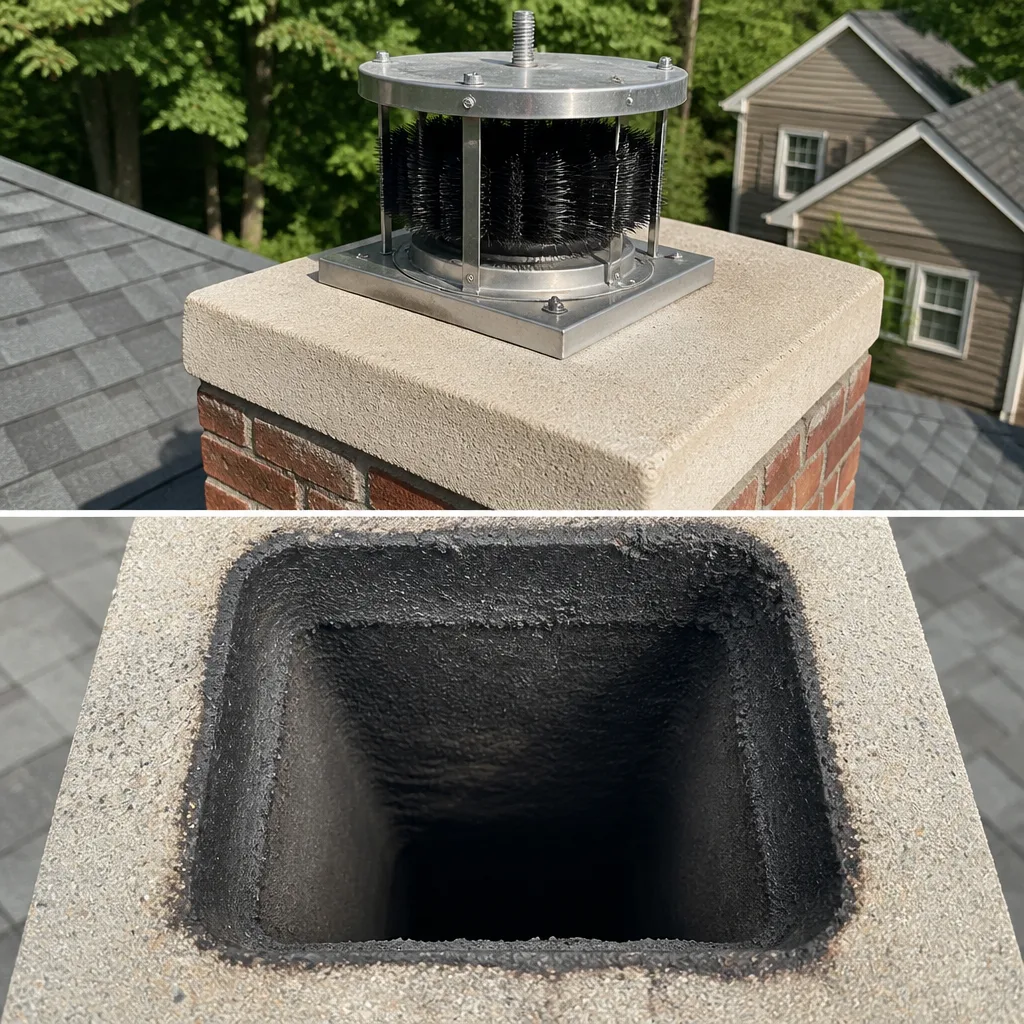
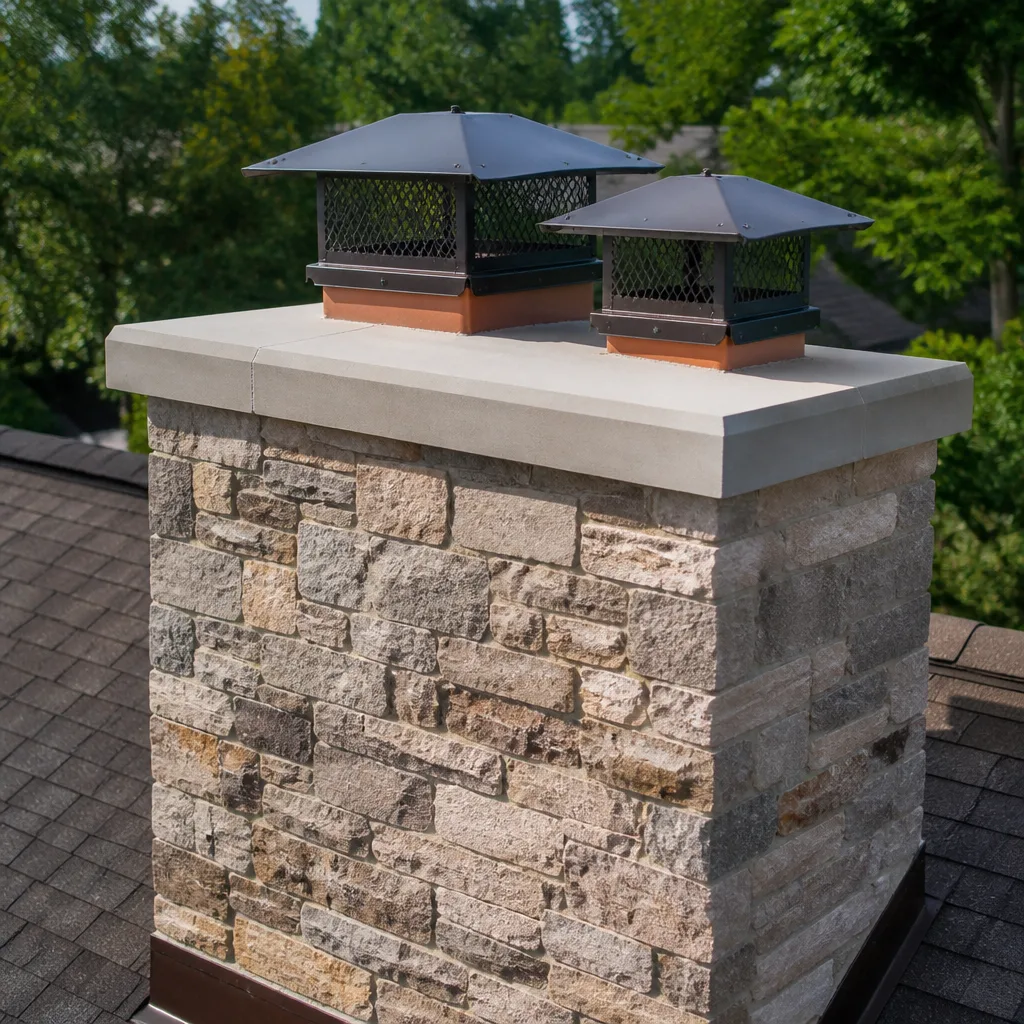 Caps & crowns
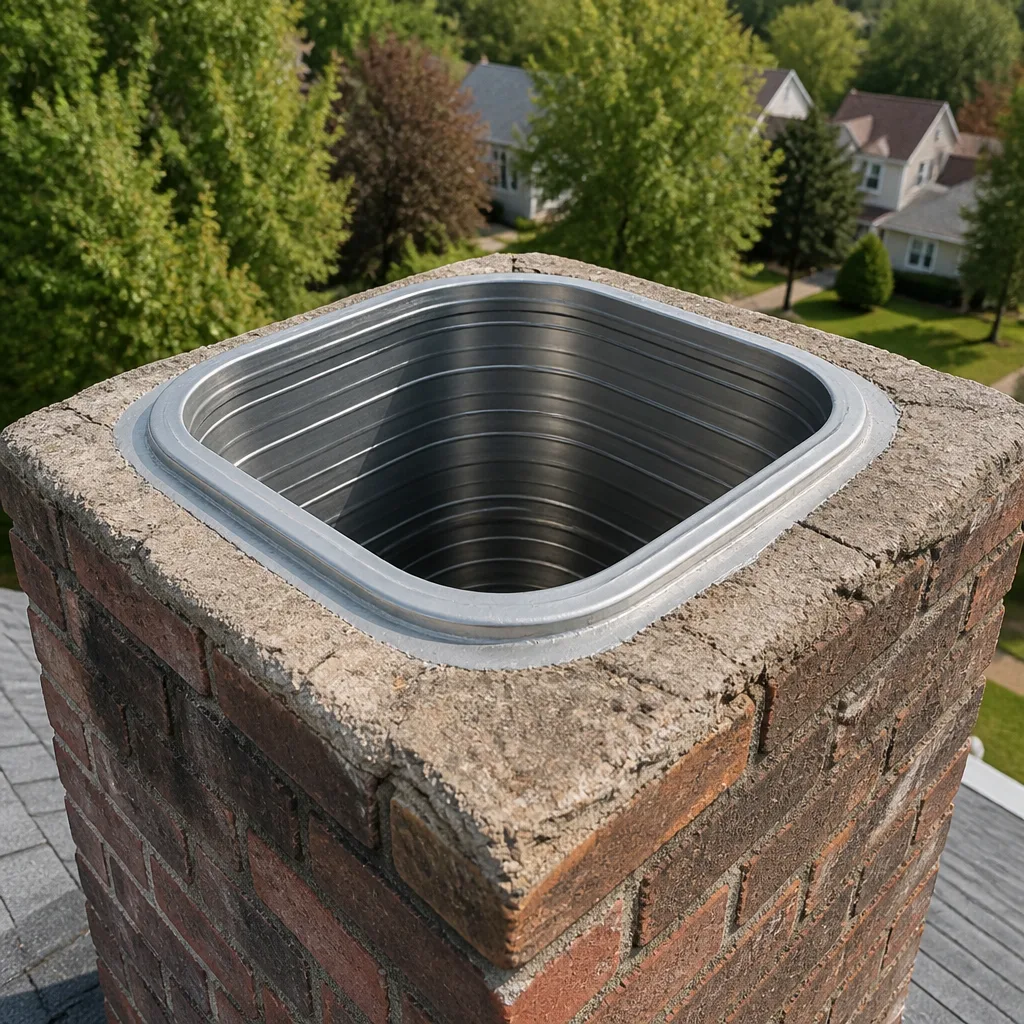 Flue relining
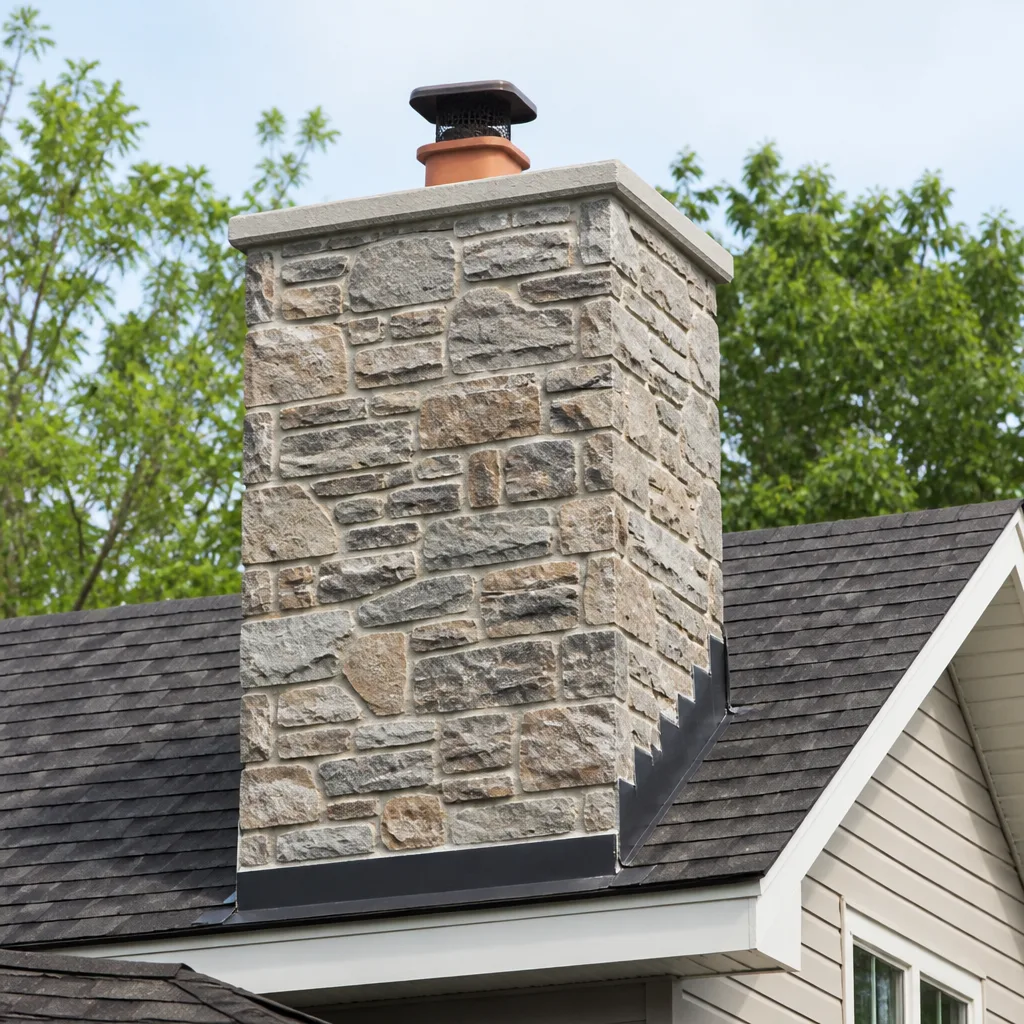 Masonry repair
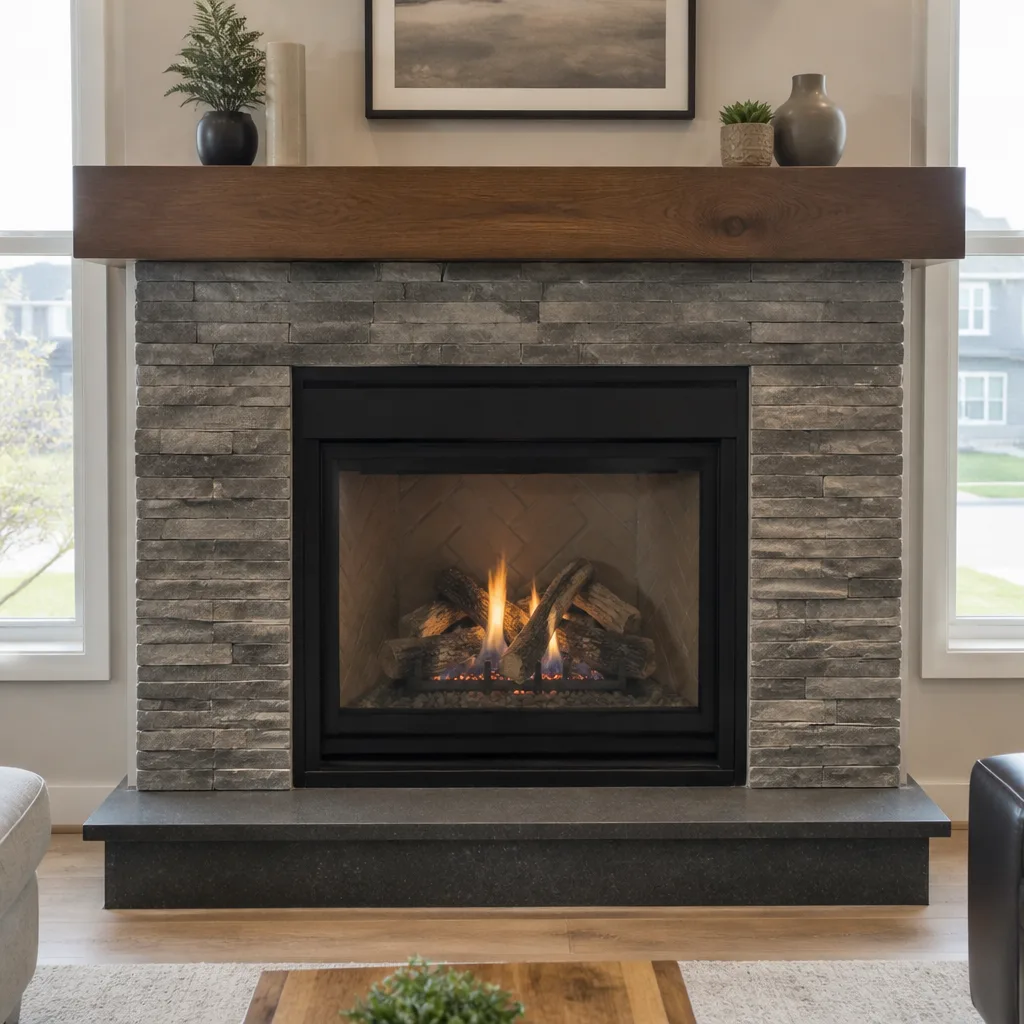 Gas fireplace service
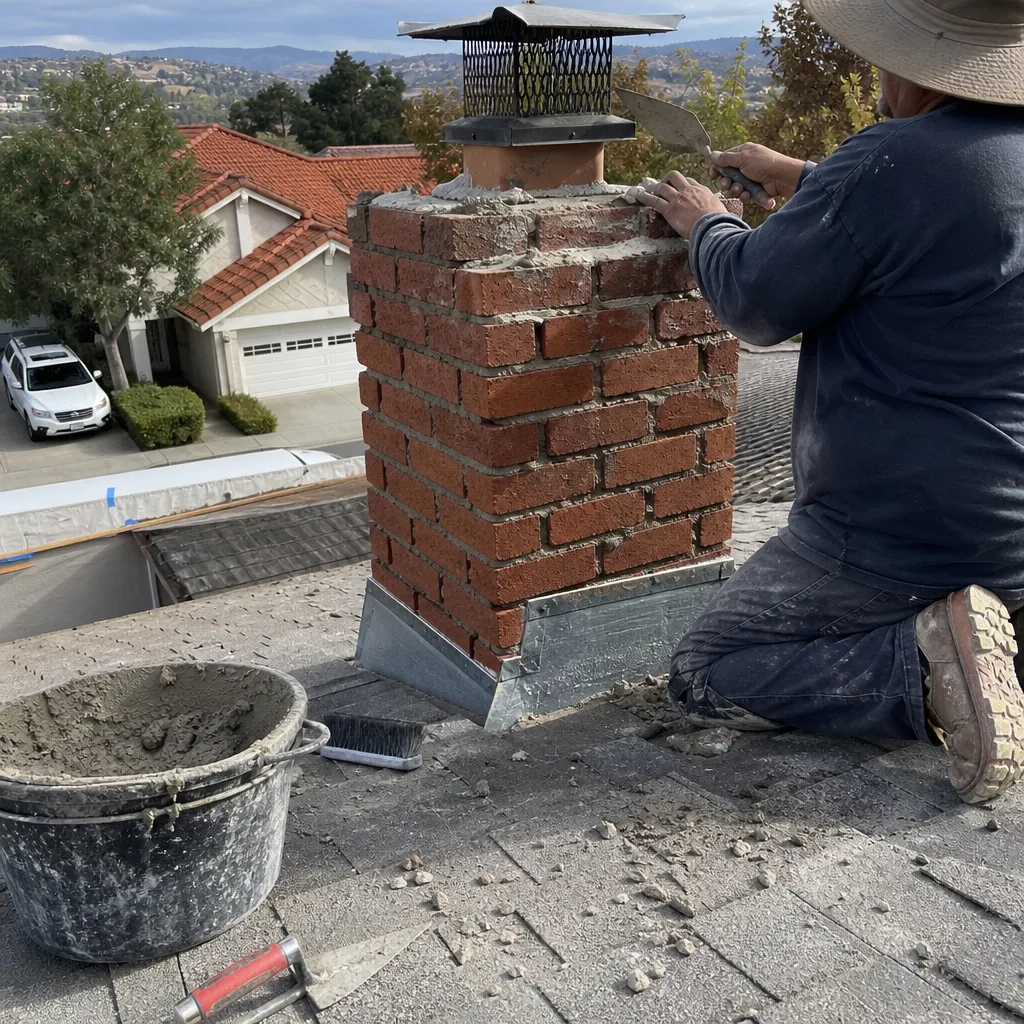
Level 1 sweep and inspection to the NFPA 211 annual standard - flue, crown, cap, and flashing checked and photographed
Chimney sweep logs do not sweep chimneys. They loosen some creosote - which then falls where a brush and vacuum still have to collect it.
The Complete Guide to Chimney Cleaning in Rancho Santa Margarita
Here’s something most homeowners get backwards: a fireplace you use a handful of times a year isn’t a low-maintenance chimney. It’s often a higher-risk one. Fires that never get hot enough or long enough to burn clean deposit a different creosote than daily winter fires do, and the results can be harder to spot and harder to remove. If you light your fireplace mainly on cool evenings in Rancho Santa Margarita, the annual sweep is not a formality. This guide maps the whole cleaning process to the conditions you actually live with, so you know what a real job looks like before anyone shows up at your door.
Quick Answer
Chimney cleaning in Rancho Santa Margarita involves more than running a brush up the flue. A thorough service means removing creosote and debris, then inspecting the flue, firebox, cap, and crown and giving you a post-cleaning video scan so you can see the result. In our mild Southern California climate, low-use chimneys often build Stage 2 and even Stage 3 creosote, which a quick cosmetic brush-and-go visit routinely misses.
Styles & brands we work with
- Sweep & inspection
- Caps & crowns
- Flue relining
- Masonry repair
- Gas fireplace service
Table of Contents
- Why Rancho Santa Margarita Chimneys Build Creosote Differently
- What a Real Chimney Cleaning Actually Involves
- Level 1, Level 2, and Level 3 Inspections Explained
- How the Santa Ana Winds Affect Your Chimney
- Wildlife and Debris: A Year-Round Concern
- Red Flags on a Chimney Cleaning Invoice
- How Often Should You Book a Cleaning?
- Can You Clean a Chimney Yourself?
Why Rancho Santa Margarita Chimneys Build Creosote Differently
The common assumption is that creosote builds up fastest where winters are coldest and fires burn every night from November to March. The reality is more nuanced. Creosote has three stages, and the stage that matters most is the one that hardens when a fire burns cool and smolders rather than reaches a hot, efficient burn.
In our climate, many Rancho Santa Margarita homeowners light the fireplace a handful of times a season, often on the cool evenings that come through the canyons after sundown. Those fires are short and often low. They produce plenty of smoke and unburned vapor, but the flue doesn’t get hot enough to burn off what sticks to the walls. That vapor condenses into Stage 1 creosote: soft, flaky, and easy to sweep away. Left in place, it glazes into Stage 2 creosote: a hardened, tar-like layer that a standard brush won’t touch. Over time it can become Stage 3 creosote: a shiny, baked-on deposit that is the number one fuel source in a chimney fire.
A cold-climate chimney with a hot fire every night stays cleaner at the flue wall for far longer. A mild-climate chimney with intermittent, cool fires doesn’t get that self-cleaning heat. That’s why “we barely use it” is never a reason to skip the annual cleaning in Rancho Santa Margarita. It’s often the exact reason the flue needs one.
- Stage 1: soft, sooty, and easily removed with a brush.
- Stage 2: hard, glazed, and requires mechanical or chemical removal.
- Stage 3: shiny and baked-on, a serious fire risk, and usually a sign the flue needs professional assessment.
Our experience with Rancho Santa Margarita flues reflects this pattern: the chimneys we see with the most stubborn deposits are rarely the ones with the most fires. They’re the ones with the most intermittent fires. You can read more about the basics on our Chimney Sweep Rancho Santa Margarita page.
What a Real Chimney Cleaning Actually Involves
A real cleaning has layers, and a cosmetic sweep-and-go visit has one. The difference shows up in the tools, the inspection steps, and what you walk away knowing about the health of your chimney system. Here’s how a proper cleaning should go from start to finish:
- Interior protection. Drop cloths and a containment system go down before any brush or vacuum touches the flue, so soot stays in the chimney and out of your living room.
- Cap and crown check. The technician looks at the cap, the crown, and the top of the flue from the roof before running a brush. A missing or damaged cap is a common entry point for animals, water, and debris.
- Flue sweep with the right brush for the lining. A stainless liner needs a different brush from a clay tile flue. Using the wrong one can score or crack the lining.
- Firebox and damper cleaning. Ash, soot, and debris are removed from the firebox and the smoke shelf, where creosote often accumulates unnoticed.
- Post-cleaning video scan. A camera scan confirms what was removed and reveals what’s left: cracks, gaps, joint failures, or deposits that a brush can’t reach. You should see the footage.
- Written findings. The technician notes creosote stage, any damage, and whether further work is recommended. Nothing should be quoted on the spot without evidence you can see for yourself.
That last point matters. A thorough cleaning lets the technician diagnose before you repair, so any recommendation traces back to condition, not a sales script. If a company’s chimney sweep leaves without a video scan or a written summary, you don’t know what you got.
Level 1, Level 2, and Level 3 Inspections Explained
Not every cleaning needs the same inspection depth, and knowing the difference helps you avoid both underservicing and being oversold. The three levels are standard industry categories:
- Level 1: A visual inspection of readily accessible parts of the chimney and fireplace, suitable for a chimney with no known problems, no damage, and a routine annual cleaning. This is the baseline for most Rancho Santa Margarita homes in normal condition.
- Level 2: A more detailed inspection that covers the entire system, often including the attic, crawl space, and accessible portions of the flue, sometimes with a camera. It applies after a change in condition: a new appliance, a chimney fire, a change in fuel type, earthquake tremors, or a wildfire smoke event.
- Level 3: An investigation of concealed or hard-to-reach parts of the chimney, typically when a Level 1 or Level 2 finding suggests a problem that requires opening up the structure to diagnose.
Here’s where local conditions come in. Rancho Santa Margarita sits in a region with real seismic activity, and the tremors that come with it can crack a flue liner or loosen masonry joints in ways that a visual check misses. After a noticeable quake, a Level 2 inspection is the responsible call, not a Level 1 pass. Wildfire smoke events in the surrounding hills can similarly deposit soot and ash in the flue and coat the cap and interior surfaces, which a basic check may not fully reveal. If you’re not sure which level applies after one of these events, ask. A good technician will explain the reasoning instead of just naming a price.
For a closer look at how a professional inspection works, see our full guide to a chimney repair-grade assessment, which covers what the technician is checking for and why.
How the Santa Ana Winds Affect Your Chimney
The Santa Ana winds are a fixture of Southern California, and they don’t just push hot, dry air through the canyons. They push debris, leaves, and fine grit against the exterior of your chimney and down through the cap and crown. They also create negative pressure conditions that draw air back down the flue, which is why smoke sometimes spills into the room on a windy night even when the damper is open.
Why does this matter for cleaning? Because a wind event can carry enough material into a chimney to partially block the flue, and because the constant pressure changes put strain on the liner and masonry joints over time. A chimney that was clean in the fall can pick up a leafy obstruction after a strong wind cycle in the winter.
Two practical checks apply in Rancho Santa Margarita:
- Look at the cap after a wind event. A missing or bent cap lets debris straight down the flue. This is a common source of a draft problem that looks like a “smoking” issue but is really an obstruction.
- Note smoke spillage. Smoke spilling back into the room during a wind event is a sign the flue is struggling. It’s worth a call to have the flue checked, not just a note to wait for calmer weather.
The fix is often smaller than homeowners expect. A well-fastened cap and crown, using professional-grade components like Olympia Chimney or Gelco, treats the most common source of weather-related chimney damage at the top of the system rather than chasing symptoms year after year.
Wildlife and Debris: A Year-Round Concern
Our climate doesn’t drive animals into chimneys just once a year; it happens in a rolling pattern, and Rancho Santa Margarita is no exception. Birds, squirrels, and other small animals see an uncapped flue as a safe, dry shelter, particularly in the transition seasons. The result is nesting material, droppings, and sometimes the animal itself stuck in the flue, which reduces draft and creates a fire and carbon monoxide risk when the fireplace is next used.
What a thorough service does about it:
- Checks the cap before cleaning. An intact, correctly sized cap is the single most effective wildlife deterrent.
- Clears the flue fully. Not just surface soot; the technician confirms no obstruction remains.
- Recommends a cap if one is missing or damaged. Cap and crown work is one of the services we provide, using established supply-chain brands rather than off-brand hardware, so the fix holds up through the next wind season.
If you’ve heard scratching or fluttering in the chimney or smelled something musty coming from the fireplace on a warm day, don’t burn a fire until the flue has been checked and cleared.
Red Flags on a Chimney Cleaning Invoice
You shouldn’t need to be a chimney expert to spot a shortcut job, but a few specific markers reveal it. Keep these in mind before you book:
- No post-cleaning video scan. Without footage, there’s no proof of what was cleaned or what condition the flue is in. Ask for it up front.
- No creosote stage notation. A written record of the creosote stage and any damage is a basic part of a professional report. Its absence throughout signals a cosmetic visit.
- Quote for major work with no evidence. If you’re told you need a full liner replacement but shown no camera footage or written findings, ask for them. A reputable company will always show you the evidence first.
- Pressure to decide on the spot. Nothing should be sold before you’ve seen the evidence. There’s no reason a repair can’t be scheduled after you’ve reviewed the findings.
- Tools that don’t match the lining. A single stiff brush run up every flue is a warning sign. Stainless and clay liners need different handling.
- No protection for your interior. Soot tracked across the room is a sign the job was rushed from the start.
The strongest defense against all of these is a company that treats cleaning and inspection as one job. A specialist diagnoses before recommending repair, and every finding should trace back to something you can see for yourself.
If you’re already thinking about a fireplace repair after a cleaning, the same principle applies: get the condition documented first, then decide what the repair should be.
How Often Should You Book a Cleaning?
Once a year is the standard starting point, but your actual interval depends on use and what the flue is accumulating. For most Rancho Santa Margarita homes, an annual cleaning and inspection before the heating season is the right default. If you burn often, or notice any of the signs below, book sooner rather than waiting for the calendar:
- Soot falling into the firebox or a strong smoky smell when the fireplace isn’t in use.
- Smoke spilling into the room instead of drafting up the flue.
- Visible creosote glazing at the flue opening.
- A newly noticed draft problem, especially after a wind event.
- Scratching or animal sounds in the chimney.
- Any known event (a chimney fire, earthquake tremors, wildfire smoke, a change in fireplace type) that warrants a Level 2 inspection.
If your chimney has been serviced regularly and nothing has changed, the annual visit is straightforward. If it’s been more than a year, plan on a more thorough inspection, because the chimney has had more time to accumulate the deposits that a low-use, mild-climate flue tends to build.
Can You Clean a Chimney Yourself?
We don’t recommend it. Cleaning a chimney involves working on a roof, handling a heavy brush system through a flue of unknown condition, and dealing with creosote that may be at a stage where disturbing it without proper technique is dangerous. The real hazard, though, is what a homeowner can’t see. A Stage 2 or Stage 3 deposit may be structurally sound to the eye but a fire risk if the flue isn’t correctly cleaned and inspected, and a hairline crack in a liner is invisible from the ground.
That’s the reason a professional chimney sweep includes a camera inspection and a written report: the value isn’t only the brushwork, it’s the diagnosis. If you’re worried about your chimney and want to know its real condition, that’s a job for a trained professional with the tools to see inside it.
Common Mistakes to Avoid
- Assuming low use means low risk. As this guide explains, intermittent cool fires in our mild climate can build denser creosote faster than daily hot fires. Skipping the annual cleaning because you only burn a few times a season is the most common mistake we encounter.
- Booking on price alone. A low sweep price often buys a brush and a mop, with no camera scan and no written report. The cost savings disappear the moment a hidden problem goes unnoticed.
- Ignoring the cap. A missing or damaged cap is the entry point for water, debris, and animals, and it’s the most common source of chimney water damage. Fixing it is cheaper than fixing what it let in.
- Burning wet or green wood. Unseasoned wood produces more smoke and more creosote. It’s the easiest thing to control if you want your flue to stay cleaner between sweeps.
- Waiting after a seismic event or a smoke episode. Earthquake tremors and wildfire smoke can compromise a flue or coat its interior. These are exactly the events that call for a Level 2 inspection rather than a routine pass.
- Trusting a quote without evidence. If you’re told you need major work, ask to see the video scan and the written findings first. That’s not an unreasonable request; it’s a standard one.
- Skipping the inspection because you “just want a cleaning.” Cleaning and inspection are one job. A cleaning that doesn’t come with a condition report leaves you guessing about the most important part of your chimney system.
When to Call a Professional
Some signs are clear enough that you shouldn’t wait for the next scheduled cleaning. Call a professional if you’ve had a chimney fire, even a small one, because the lining and masonry need inspection afterward. Call if you notice smoke backing into the room, a strong smoky smell coming from the fireplace on warm days, or visible glazing at the flue opening. Call after earthquake tremors that are strong enough to notice, after a major wildfire smoke event, or if you hear animals in the chimney. Call before you sell a home or before the heating season if it’s been more than a year since the last service. And call if you’ve been told you need major repair work but haven’t been shown the evidence.
Chimney Sweep Rancho Santa Margarita offers free estimates in Rancho Santa Margarita – call (855) 726-7893. We answer 24/7. Fast dispatch from 7am to 7pm, Sunday through Friday.
Frequently Asked Questions
Once a year is the standard for most homes, and in our mild climate, even a low-use fireplace should be cleaned and inspected annually. Intermittent cool fires build creosote differently than hot daily ones, so “we barely use it” isn’t a reason to skip a year. Call (855) 726-7893 to book a cleaning and inspection.
Not always, and you shouldn’t accept a liner replacement without seeing the camera evidence behind it. In many cases a deteriorated flue lining can be restored with HeatShield, a resurfacing system designed to seal and repair the interior without a full replacement, which fits our repair-first approach. Ask to see the video scan and the written findings before deciding. Call (855) 726-7893 for an exact quote; estimates are free.
Creosote accumulates and can progress from a soft, brushable stage to a hardened, glazed stage that is the leading fuel in a chimney fire, and a blocked or damaged flue can also let carbon monoxide back into the home. The risk is higher in a low-use chimney because the deposits form slowly and invisibly. Call (855) 726-7893 to have your flue checked.
Smoke spilling into the room during a wind event is usually a sign of negative pressure or a partial obstruction, and the Santa Ana winds are a common trigger here. It’s worth having the flue and cap checked rather than waiting for calmer weather. Call (855) 726-7893 to schedule an inspection.
A Level 1 inspection is a visual check of the accessible parts of the chimney during routine cleaning, while a Level 2 goes deeper and covers the full system, often with a camera, and applies after earthquakes, chimney fires, changes in fuel type, or wildfire smoke events. If you’re unsure which level your situation calls for, ask before booking. Call (855) 726-7893 for guidance.
We advise against it. The real risk isn’t the brushwork, it’s what you can’t see: hidden creosote, cracks, or joint failures that a camera inspection reveals. A trained professional diagnoses before repair, and that diagnosis is the part a DIY cleaning misses. Call (855) 726-7893 for an exact quote; estimates are free.
The Bottom Line
Chimney cleaning in Rancho Santa Margarita isn’t a generic checklist. The mild, low-use pattern here builds creosote differently, the Santa Ana winds push debris and negative pressure through the flue in ways that accelerate liner wear, and seismic and wildfire events raise the inspection level you need. A thorough cleaning means a camera scan, creosote stage notation, and a written report you can see and understand. That’s the difference between a brush-and-go visit and a full chimney system service. If you’ve been putting off your annual cleaning, or you’ve never had the flue inspected, now is the right time to book.
Chimney Sweep Rancho Santa Margarita offers free estimates for chimney cleaning, inspection, and any repair work we recommend, backed by a flat price agreed before booking. Call (855) 726-7893. We answer 24/7. Fast dispatch from 7am to 7pm, Sunday through Friday.
Written by the team at Chimney Sweep Rancho Santa Margarita.
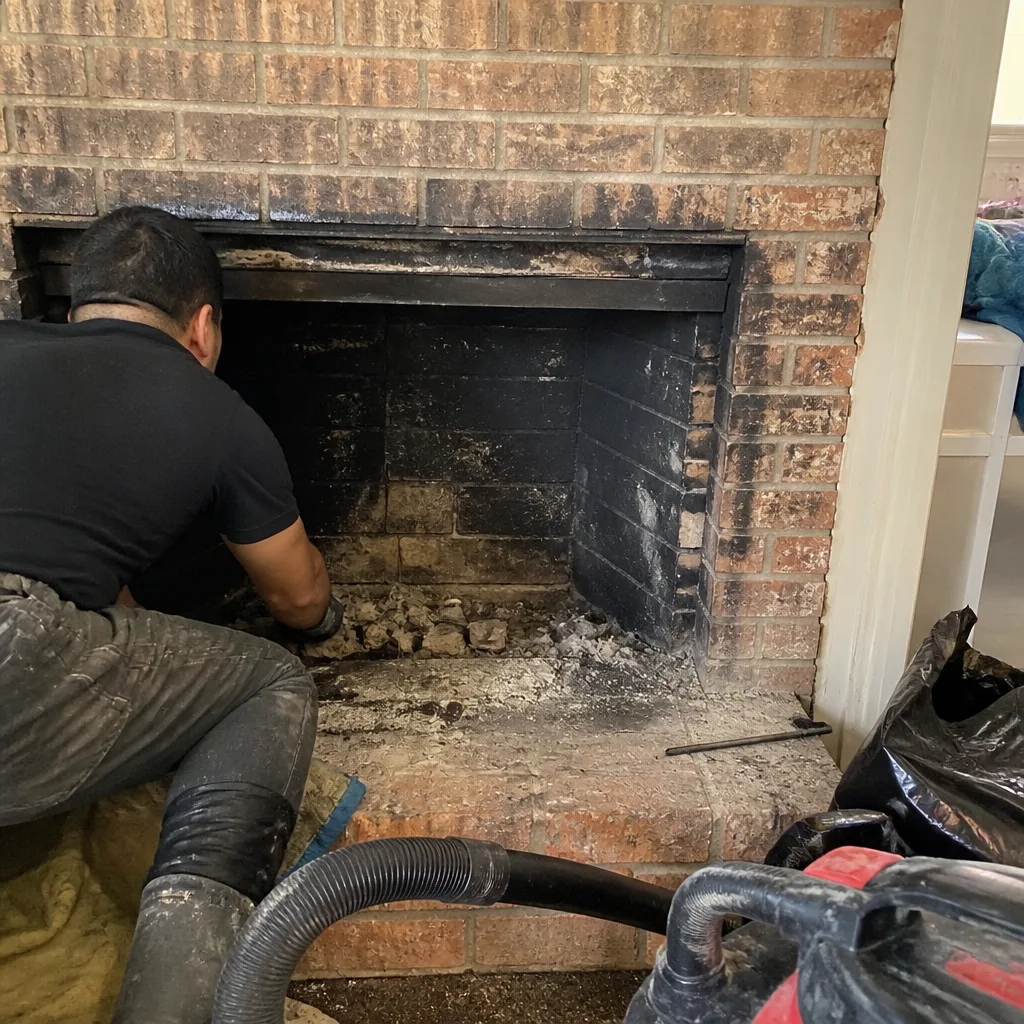
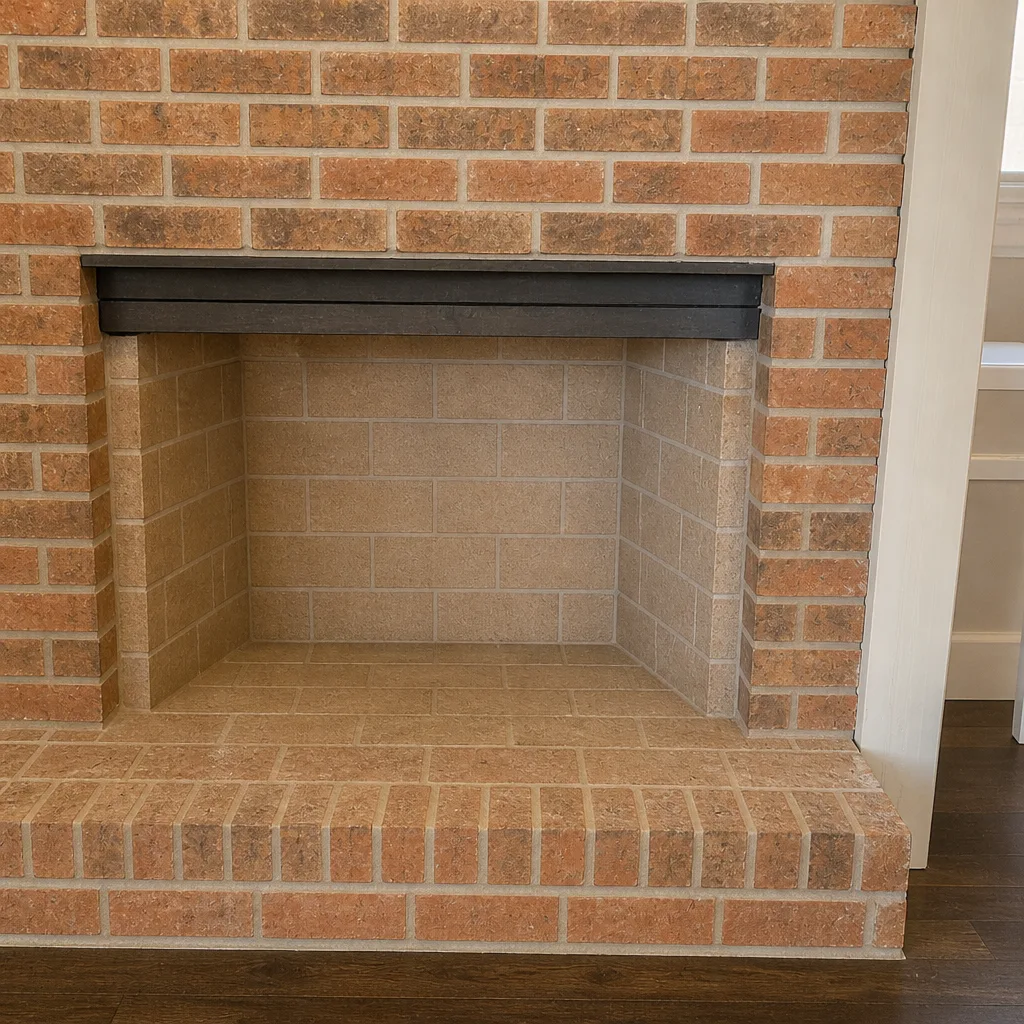
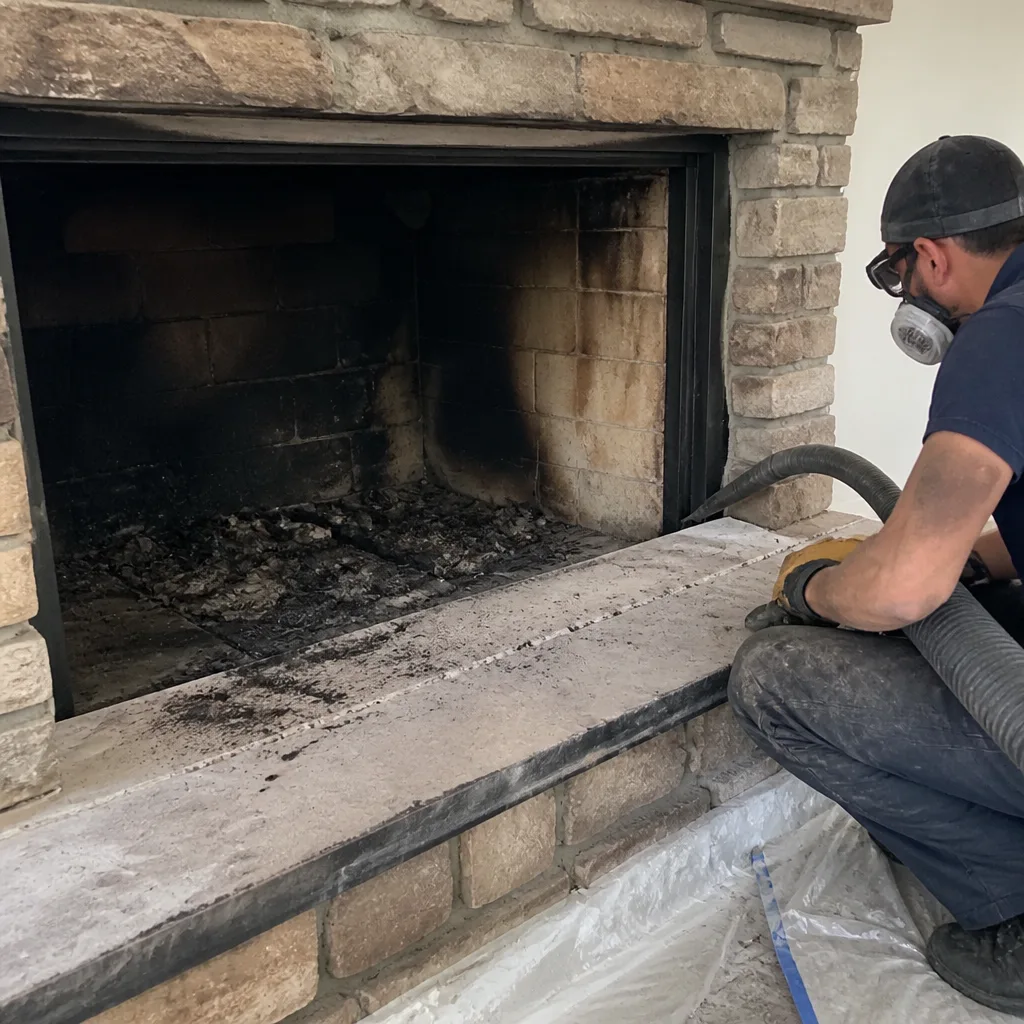
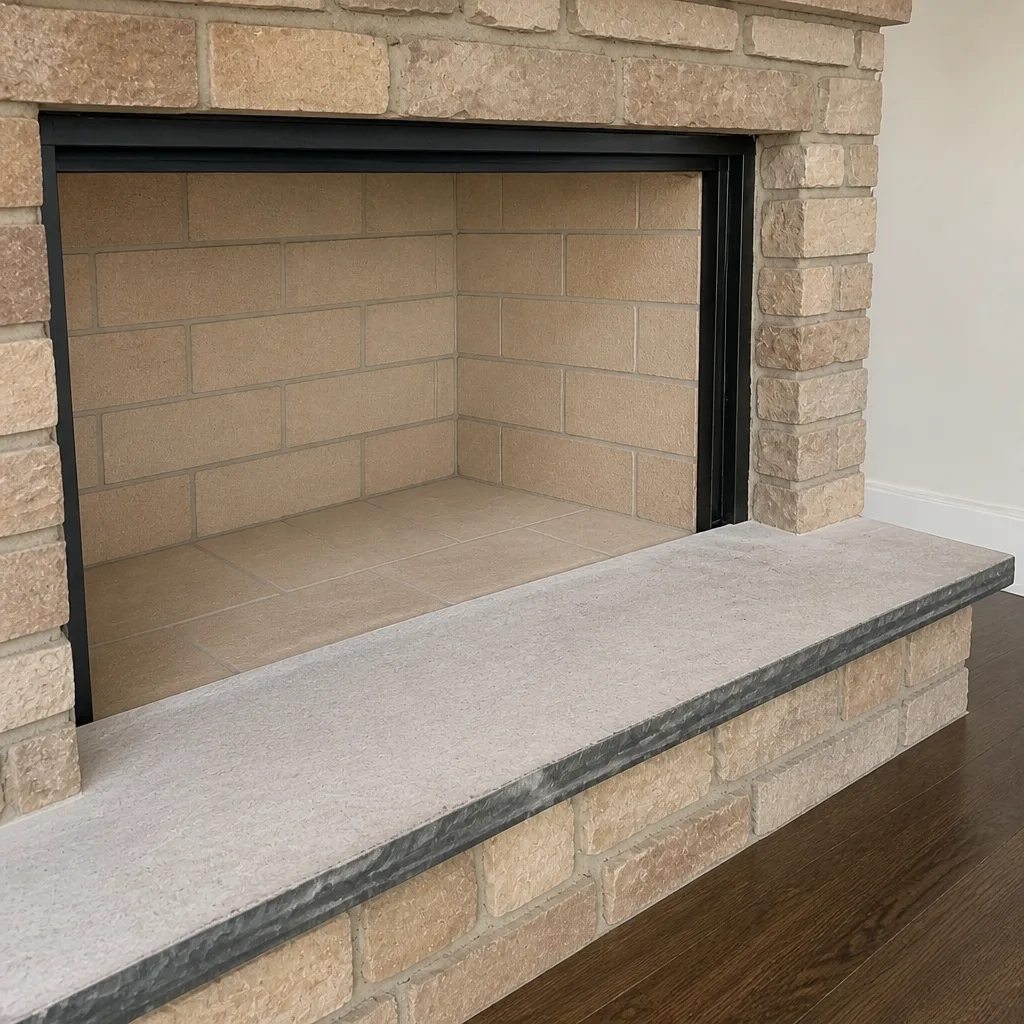
See the difference
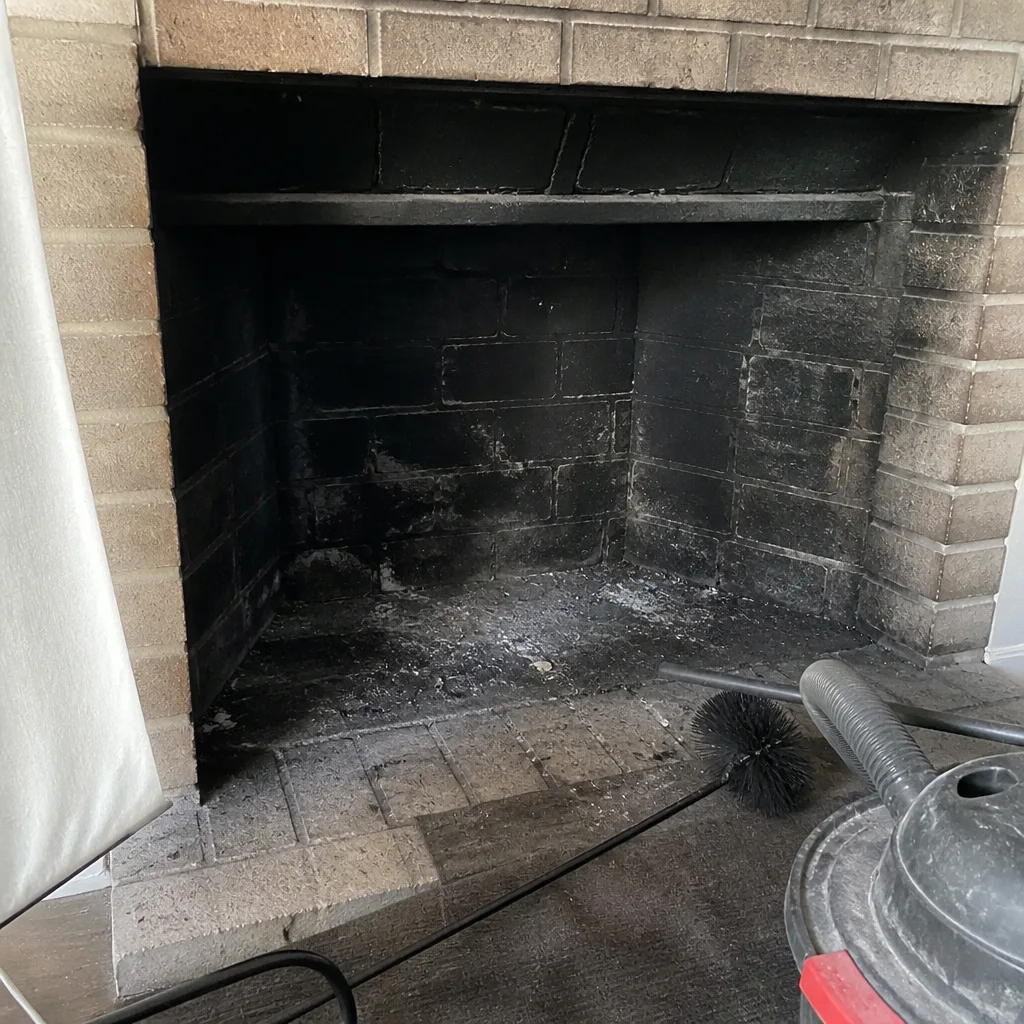 Before
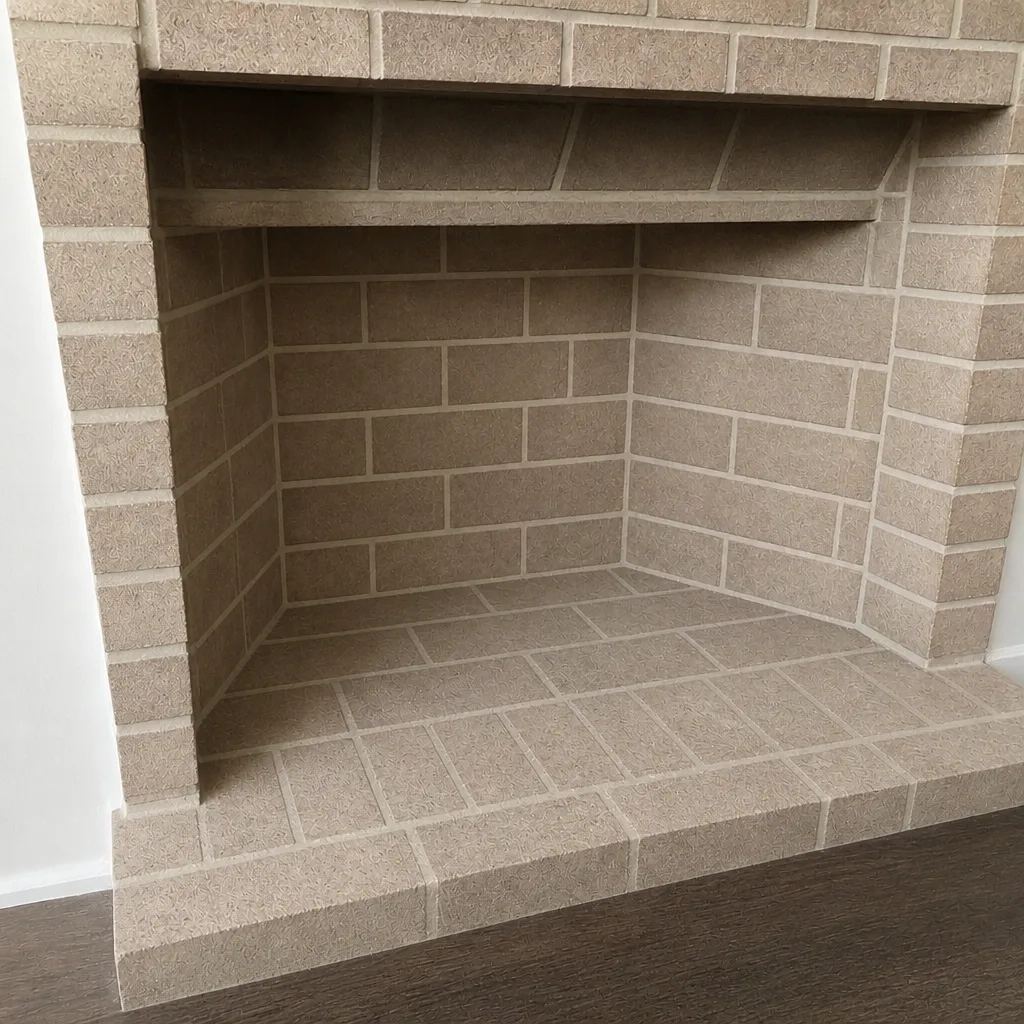 After
 Before
 After
 Before
 After