
Last updated November 25, 2026
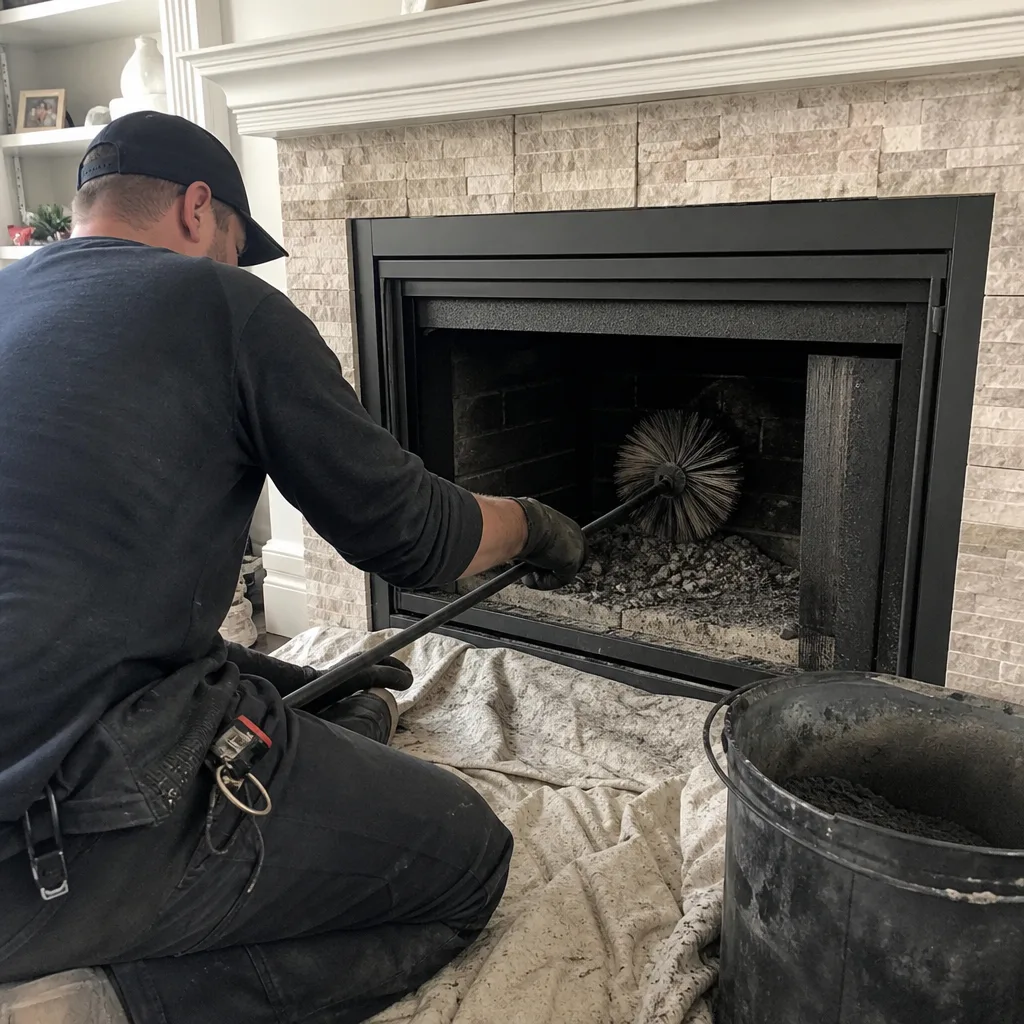
 Sweep & inspection
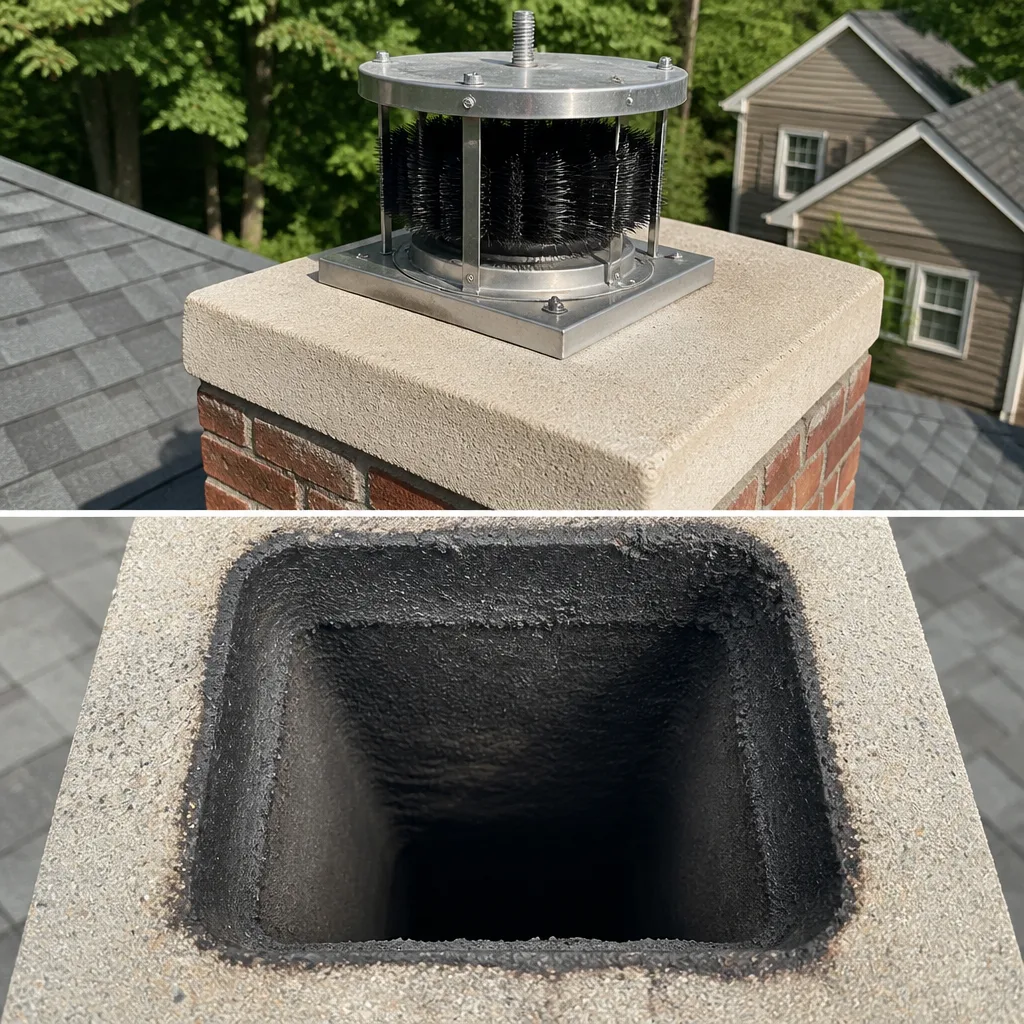
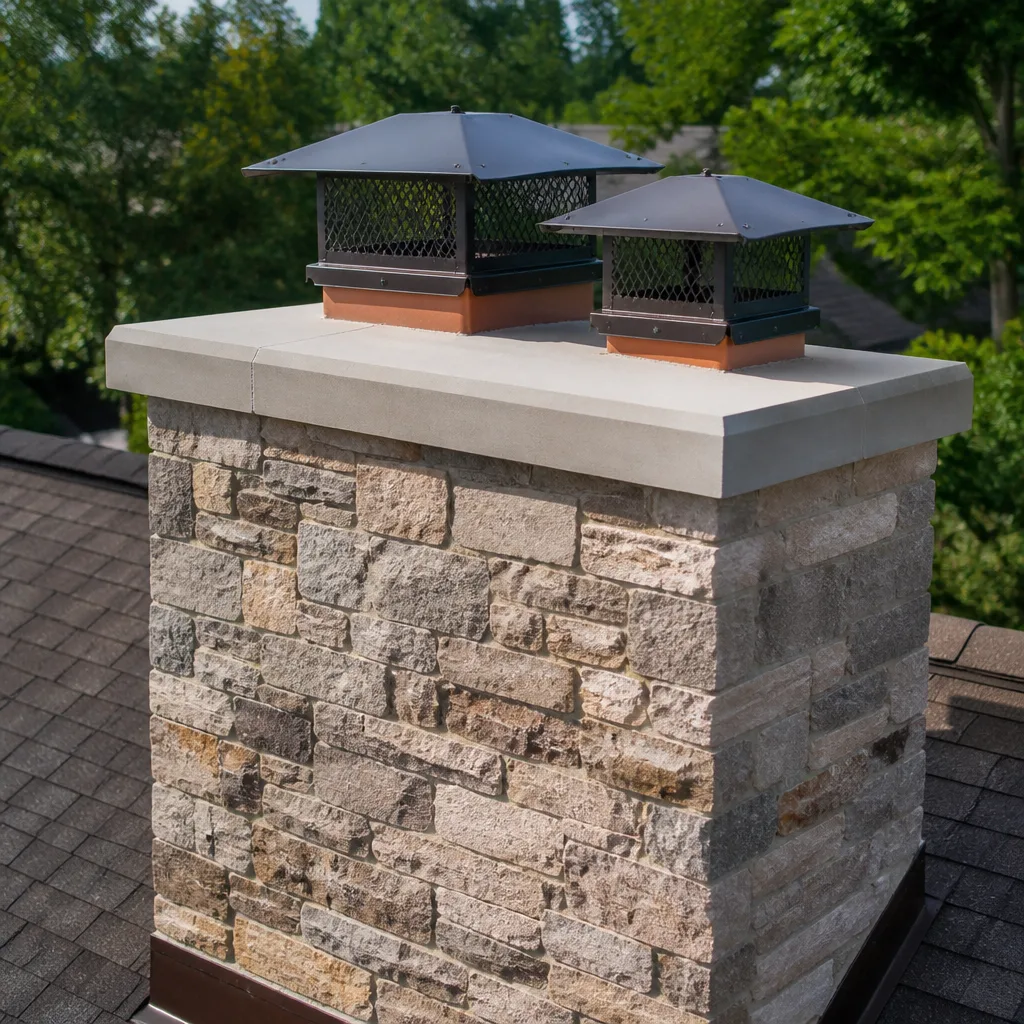 Caps & crowns
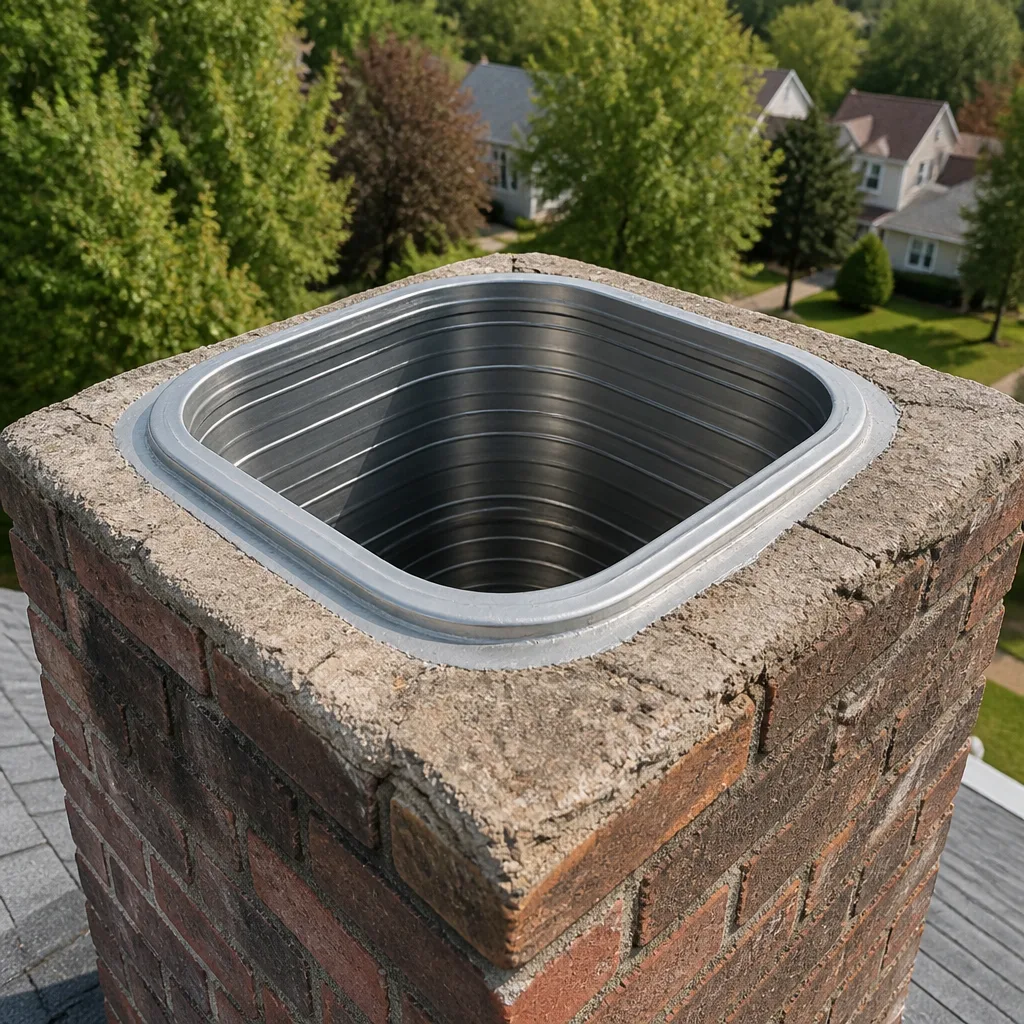 Flue relining
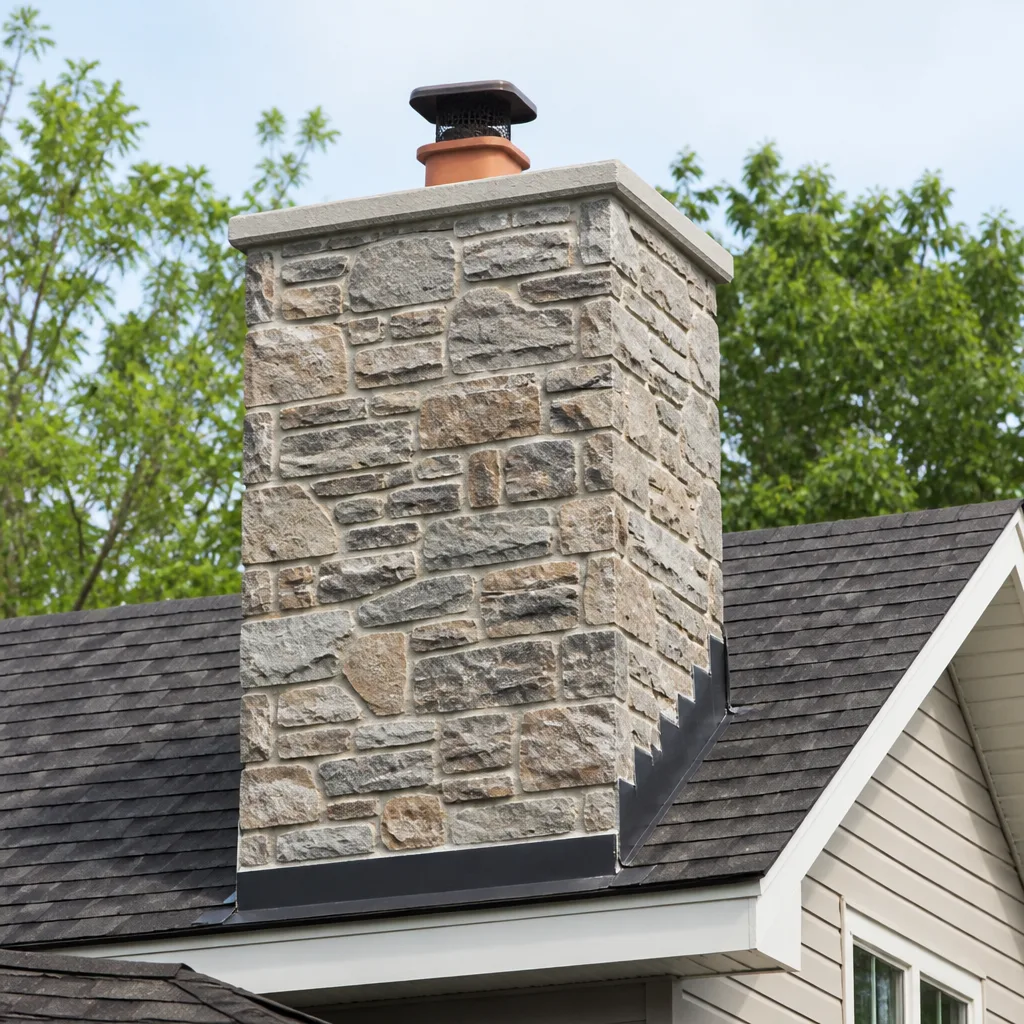 Masonry repair
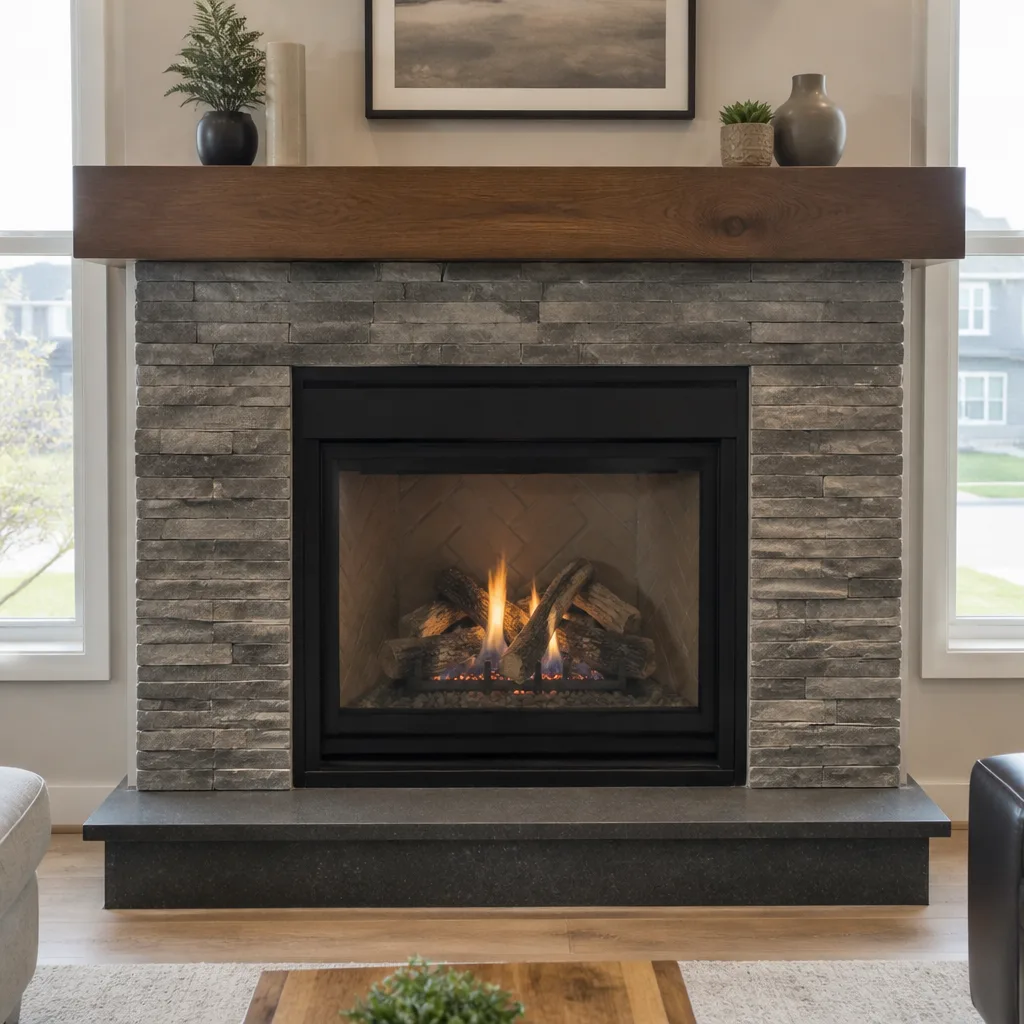 Gas fireplace service
Level 1 sweep and inspection to the NFPA 211 annual standard - flue, crown, cap, and flashing checked and photographed
Chimney sweep logs do not sweep chimneys. They loosen some creosote - which then falls where a brush and vacuum still have to collect it.
Chimney Cleaning Emergency Preparedness Guide for Rancho Santa Margarita Homes
Most chimney safety advice you’ll find online was written for places with real winters – snow load, freeze-thaw, ice dams. Rancho Santa Margarita doesn’t have those problems. What we do have is a fire corridor problem. This is a canyon town ringed by wildland that burns, sitting on ground that moves, with a growing number of homes that lose power during fire-season shutoffs and fall back on a wood-burning fireplace as heat. That combination creates a chimney emergency profile you won’t find in a generic guide.
This guide is built for the specific threats Rancho Santa Margarita homeowners actually face: ember intrusion during a wildland fire, damage that shows up after an earthquake, and the risky decision to burn in a fireplace that hasn’t been inspected since who knows when. You’ll get a pre-season checklist, a post-event inspection map, an emergency heating protocol, and a shut-down procedure for a suspected chimney fire. Work through it once before fire season and you’ll know exactly what to do when the ground shakes or the sky turns orange.
Quick Answer
Chimney emergency preparedness in Rancho Santa Margarita means three things: completing a cleaning and inspection before June 1, knowing the earthquake magnitude that triggers a mandatory inspection, and having a written protocol for burning safely during a power outage. The most common gap we find is a chimney that hasn’t been inspected in a year or more – which turns a manageable creosote deposit into an unpredictable hazard when a fireplace becomes your only heat source. If it’s been more than a year, book a sweep and camera inspection before fire season, not during it.
Styles & brands we work with
- Sweep & inspection
- Caps & crowns
- Flue relining
- Masonry repair
- Gas fireplace service
Table of Contents
- Pre-Wildfire Season Protocol: What to Complete Before June 1
- What to Check After a Nearby Wildland Fire
- Post-Earthquake Inspection Triggers by Magnitude
- Emergency Heating Protocol During a Power Outage
- How to Shut Down a Chimney Safely if You Suspect a Fire
- Spark Arrestors and Ember Intrusion: What the Rating Actually Means
- The Rancho Santa Margarita Chimney Maintenance Calendar
- Smoke and Odor Problems After a Fire Event
Pre-Wildfire Season Protocol: What to Complete Before June 1
In a wildland-urban interface zone, your chimney is an opening in your roof – and openings are how embers get in. The work that protects your home needs to be finished before the dry season peaks, which in this part of Orange County means before June 1. Waiting until the first red flag warning is too late; every chimney company in South Orange County gets the same calls that week.
Here’s the sequence we walk homeowners through, in order:
- Full sweep and inspection. A professional sweep removes the creosote and soot load from the flue, and the inspection that comes with it catches cracked flue tiles, deteriorated mortar joints, and gaps that a fire can travel through. This is the foundation – nothing else on the list matters if the flue itself is compromised.
- Confirm your spark arrestor is in place and rated. A spark arrestor is the mesh screen or baffle at the top of the flue. In a WUI-zone home it’s not optional hardware, it’s the barrier that stops embers from entering the flue. If the screen is torn, rusted through, or missing, it gets replaced before summer.
- Check the cap and crown. A cracked crown or a loose cap lets water in during the rainy season and lets embers sit against combustible material at the top of the chase. We install and work with Chimney Sweep Rancho Santa Margarita products from Olympia Chimney and Copperfield for exactly this reason – established supply-chain parts, not hardware-store retrofit pieces.
- Clear the roof and the immediate surroundings. Debris, dry vegetation, and anything combustible stored near the chimney chase should be gone well before June.
- Get the inspection documented in writing. A written inspection report with photos is what you’ll want if an insurer, a buyer, or your own memory asks what condition the chimney was in before fire season.
If you haven’t had a chimney sweep in over a year, this is the single highest-value item on the list. Book it early in the spring when scheduling is open, not in August when everyone is scrambling.
What to Check After a Nearby Wildland Fire
A wildland fire doesn’t have to reach your property to affect your chimney. When a fire burns in the hills and canyons around Rancho Santa Margarita, three things happen that most homeowners never consider.
Ash intrusion. Airborne ash and fine debris get pulled into flues through a cap that isn’t fully sealed, and settle on the smoke shelf and in the firebox. That’s a real issue the first time you light a fire afterward – the ash can obstruct draft and produce smoke that backs into the room.
Thermal shock cracking. If a fire burns close enough to raise the temperature of the exterior masonry rapidly and then a cool evening follows, the differential can open hairline cracks in the crown or the chase. These cracks are small and easy to miss from the ground, which is why the inspection matters.
Negative pressure changes. Burn scars remove vegetation that used to break wind, and a fire can change the way air moves around a structure. A flue that drafted fine before a fire event can draft poorly afterward. If your fireplace suddenly smokes when it didn’t before, this is a likely explanation.
What to do after a fire event near your home:
- Don’t light a fire until the chimney has been inspected – even if it looks untouched from outside.
- Look at the cap and crown from the ground with binoculars for visible ash accumulation or obvious cracking.
- Check the firebox and smoke shelf for settled ash before the first burn of the season.
- Schedule an inspection if the fire came within a few miles, or if you notice smoke backing into the room.
In our experience, the chimneys that need repair after a fire event are rarely the ones the homeowner suspected. A camera inspection is what tells you the truth.
Post-Earthquake Inspection Triggers by Magnitude
Most earthquake chimney advice online is written for the homeowner who lives on the San Andreas and experiences a 5.0 every decade. For Rancho Santa Margarita, the practical question is simpler: at what magnitude does a chimney inspection stop being precautionary and become mandatory?
The California Geological Survey publishes shake maps after every significant earthquake, and those maps reflect local ground motion – not just the headline magnitude. A 4.8 centered close to you can shake your chimney harder than a 6.0 farther away. We recommend checking the shake map for your area after any quake you feel meaningfully, and using the following as a rough rule of thumb:
- Under 4.0 or not felt: No inspection required. Keep an eye on things visually.
- 4.0 to 4.9, felt clearly: Precautionary visual check. Look for cracks in the firebox and the exterior chase, and check the crown from the ground.
- 5.0 to 5.9 in your area: Schedule an inspection. This is the magnitude range where hairline flue cracks and broken mortar joints start to appear in older chimneys.
- 6.0 or above, or any quake with visible chimney damage: Stop using the fireplace until a professional inspection has confirmed the flue is intact.
What a homeowner typically notices after a quake that warrants a call: a crack in the firebox brick, a chunk of mortar on the roof, a cap that shifted, or a sudden draft problem that didn’t exist before. The reason we recommend inspection rather than guesswork is simple – a chimney fire requires a specific combination of heat, fuel, and an open path. A flue crack creates that open path, and you can’t see it from the living room.
The fix is often less dramatic than homeowners fear. A cracked flue tile doesn’t automatically mean a full liner replacement. We use chimney repair methods including HeatShield, a resurfacing system designed to restore and seal deteriorated flue interiors from the inside. It’s a repair-first approach specifically because post-earthquake flue damage is usually localized, not systemic.
Emergency Heating Protocol During a Power Outage
Extended power outages during fire season are a fact of life in Rancho Santa Margarita. When the heat is off and the house is cold, a fireplace is the obvious answer. But a fireplace that hasn’t been inspected in a year or more is a different piece of equipment than the one you’re picturing. Here’s the honest protocol.
If you have a recent inspection on file (within 12 months):
- Open a window slightly to establish a draft path for combustion air.
- Warm the flue with a rolled piece of newspaper to reverse any cold-air column.
- Burn well-seasoned wood only – no pallets, no construction scraps, no green wood.
- Never leave the fire unattended while you sleep.
- Keep the firebox doors or screen closed.
If you do NOT have a recent inspection:
Don’t burn in the fireplace. This is the part of the protocol most guides skip, and it’s the one that matters. Without an inspection, you don’t know whether the flue has a crack, whether creosote has built up to a dangerous level, or whether the cap is sealed. A cold house is uncomfortable. A chimney fire you can’t identify until it’s advanced is worse. If you have a gas fireplace with a sealed insert, follow the manufacturer’s instructions and don’t use it if you smell gas.
What not to do during an outage:
- Don’t burn wood in a fireplace you’ve never had inspected.
- Don’t run a generator in the garage or under an eave – that’s a carbon monoxide risk, not a chimney issue, but it’s the second most common power-outage mistake we hear about.
- Don’t close the damper to “keep the heat in” while a fire is burning.
- Don’t assume a chimney is safe because the fireplace looked fine the last time you used it.
If you’re reading this during a heat wave, use it as a prompt. Book the inspection now, while the schedule is open, so the next outage doesn’t turn the decision into a gamble.
How to Shut Down a Chimney Safely if You Suspect a Fire
A slow-burning chimney fire is the most dangerous kind because it doesn’t look like a fire. The signs: a low roaring or rumbling sound, a smell of hot metal, a sudden increase in smoke, or a popped or discolored damper. If you notice any of these, treat it as a real chimney fire and act immediately.
- Stop adding wood. Don’t add more fuel. Don’t try to “burn it out.”
- Close the firebox doors or screen. If you have glass doors, close them. If you have a screen, close it. This limits air to the firebox.
- Close the damper – only if you can confirm the flue is not actively on fire and you have glass doors. Closing a damper on an active flue fire can trap heat and pressure. If you’re unsure, leave the damper open and evacuate.
- Evacuate the home with every person and pet. Call 911 from outside.
- Once the fire department has cleared the scene, don’t use the fireplace until a professional has inspected the flue. A chimney fire can leave the flue cracked, the liner compromised, or creosote deposits unstable. The chimney is off-limits until it’s been inspected.
One safety caveat before we go further: if you smell smoke inside the home and can’t identify the source, leave. The step-by-step above is for a suspected fire in the fireplace you’re currently using. A chimney that’s venting smoke into the living space could be venting other combustion gases too, and that’s a carbon monoxide risk, not something to troubleshoot from the couch.
If you smell smoke inside the home, call 911 first. If you’re planning a safety inspection for the coming season, call (855) 726-7893. We answer 24/7. Fast dispatch from 7am to 7pm, Sunday through Friday.
Spark Arrestors and Ember Intrusion: What the Rating Actually Means
A spark arrestor is not a decoration. It’s the mesh screen or baffle at the top of the flue designed to stop hot embers and sparks from exiting the chimney – and, in a WUI-zone home, to stop embers from the outside from entering it. Those are two different jobs, and they’re both important in Rancho Santa Margarita.
Most homeowners have never looked closely at theirs. When we inspect, the failures we find most often are: torn mesh, mesh with large openings that will pass small embers, mesh that’s been removed “because it kept clogging,” and caps that have lifted or shifted in wind. Any of these lets an ember in.
What to check:
- The screen is intact with no tears or rust-through.
- The mesh openings are small enough to catch a spark. Hardware-store substitutes often aren’t.
- The cap and arrestor sit firmly on the flue with no gaps.
- The assembly hasn’t been removed by a previous owner or a previous sweep.
If you’re not sure what you’re looking at, get a professional inspection. A camera down the flue and a close look at the top of the chimney will tell you what the screen actually looks like and whether it’s rated for spark arrest, not just weather protection. We install and work with professional-grade caps from Olympia Chimney and Famco, both of which are standard in the professional chimney supply chain.
Caps and crowns are the most common source of water damage to a chimney – and water damage is the root cause behind many of the repair calls we get in the spring. Fixing the crown is a fraction of the cost of repairing what water does to a firebox over a couple of wet seasons. If you’re due for a fireplace repair, the cap and crown are the first place we look.
The Rancho Santa Margarita Chimney Maintenance Calendar
Chimney care here is seasonal, and the schedule is built around fire season, not winter. Here’s how we break it down for a typical wood-burning fireplace in Rancho Santa Margarita:
- March through May: Book your annual sweep and inspection. This is the window before fire season, when the schedule is open and you have time to complete any recommended repairs before June.
- June 1: Everything from the pre-season protocol should be done. Spark arrestor confirmed, cap and crown checked, flue clean.
- June through October: Watch for post-fire-event conditions. If a wildland fire burns nearby, inspect before your first burn.
- Any time: After a felt earthquake of 4.0 or above, check the firebox and chimney exterior. Above 5.0, schedule a professional inspection.
- October through November: Check the cap, crown, and spark arrestor one more time before the first rain.
- December through February: If you used the fireplace during the winter, keep an eye out for smoke backing into the room. That’s the most common symptom of a chimney that needs attention.
How often should a chimney be swept? The general rule is once a year for a regularly used wood-burning fireplace, or once the creosote buildup reaches a quarter-inch, whichever comes first. A gas fireplace doesn’t produce creosote, but it still needs an annual inspection for venting and carbon monoxide safety. If you’ve had a fire event or a noticeable earthquake since your last inspection, add one in between.
Smoke and Odor Problems After a Fire Event
Three days after a nearby wildland fire, a homeowner calls because the living room smells like a campfire and the fireplace smoked the last time they used it. This is one of the most common post-fire-event calls we get in Rancho Santa Margarita, and there are three likely causes:
- Ash on the smoke shelf. Fine ash has settled onto the smoke shelf and in the firebox. It obstructs draft and burns off slowly when you next light a fire. A sweep clears it.
- A cracked crown or cap gap. Hot air from the fire event can open a hairline crack in the crown, and the next rain or the next burn lets moisture and smoke interact in ways that produce odor.
- Flue crack from thermal shock. Less common but more serious. A flue crack affects draft and safety at the same time. This is the one you want to rule out with a camera inspection before you use the fireplace.
The non-invasive fix in most of these cases is a sweep and inspection, followed by targeted repair if the inspection finds real damage. For flue interior damage, we use HeatShield, a resurfacing system designed to restore and seal the flue without requiring a full liner replacement. For liners that do need replacement, we work with DuraFlex and Gelco systems, both of which are recognized in professional chimney supply.
Common Mistakes to Avoid
- Burning during a power outage without an inspection. The most common and the most dangerous. A fireplace is not a backup heater you can safely use without knowing the flue’s condition. If you don’t have a recent inspection on file, don’t burn.
- Removing the spark arrestor because it kept clogging. The screen is doing its job. A clogged arrestor means the flue needs a sweep, not that the screen needs to come off. Taking it off opens the chimney to ember intrusion.
- Assuming a fire event “didn’t touch” the chimney. Ash intrusion, thermal shock, and draft changes rarely leave obvious signs from the ground. If a fire burned nearby, inspect.
- Skipping the post-earthquake check. A 4.8 that barely rattled the pictures can still crack a firebox brick. The shake map tells you more than how it felt in your living room.
- Confusing a licensed professional’s work with a brush-and-leave sweep. A sweep that cleans the flue and leaves without a camera inspection gives you half the service. You want a diagnosis, not just a cleaning.
- Ignoring a smoke smell after a fire event. A persistent smoke odor in a Rancho Santa Margarita home after a wildland fire usually means settled ash or a draft problem. Both are fixable; neither gets better on its own.
- Waiting until the first red flag warning to book a sweep. Everybody else is calling that week. Do it in the spring, when you have room to schedule an inspection and complete any recommended repairs before June 1.
See the difference
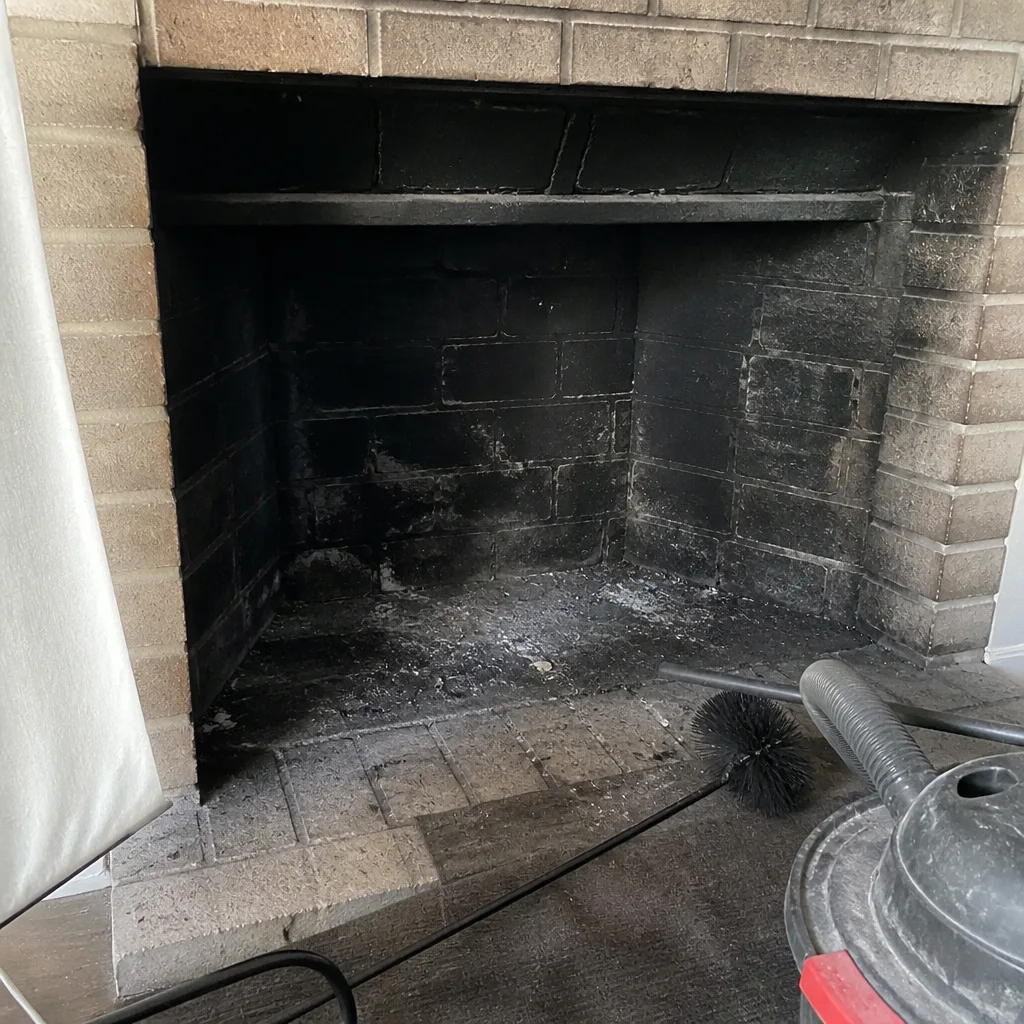 Before
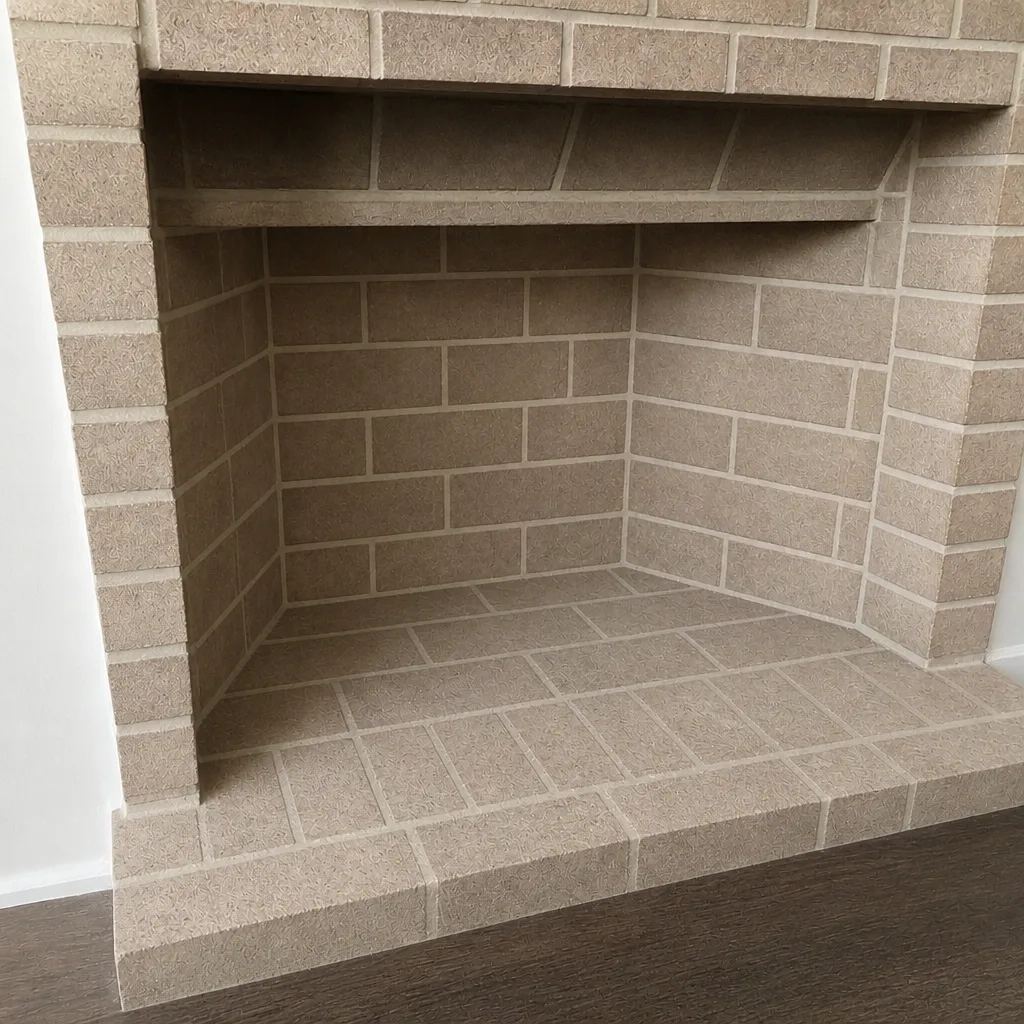 After
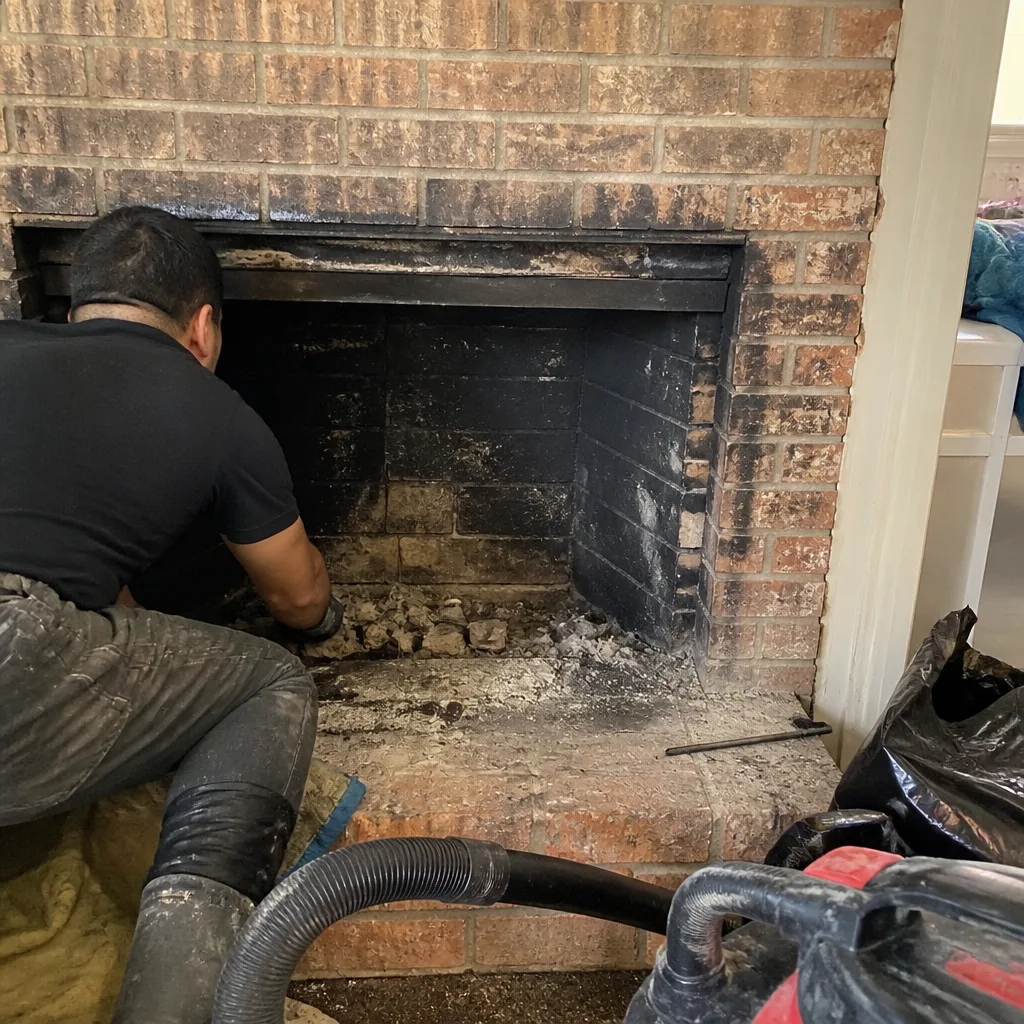 Before
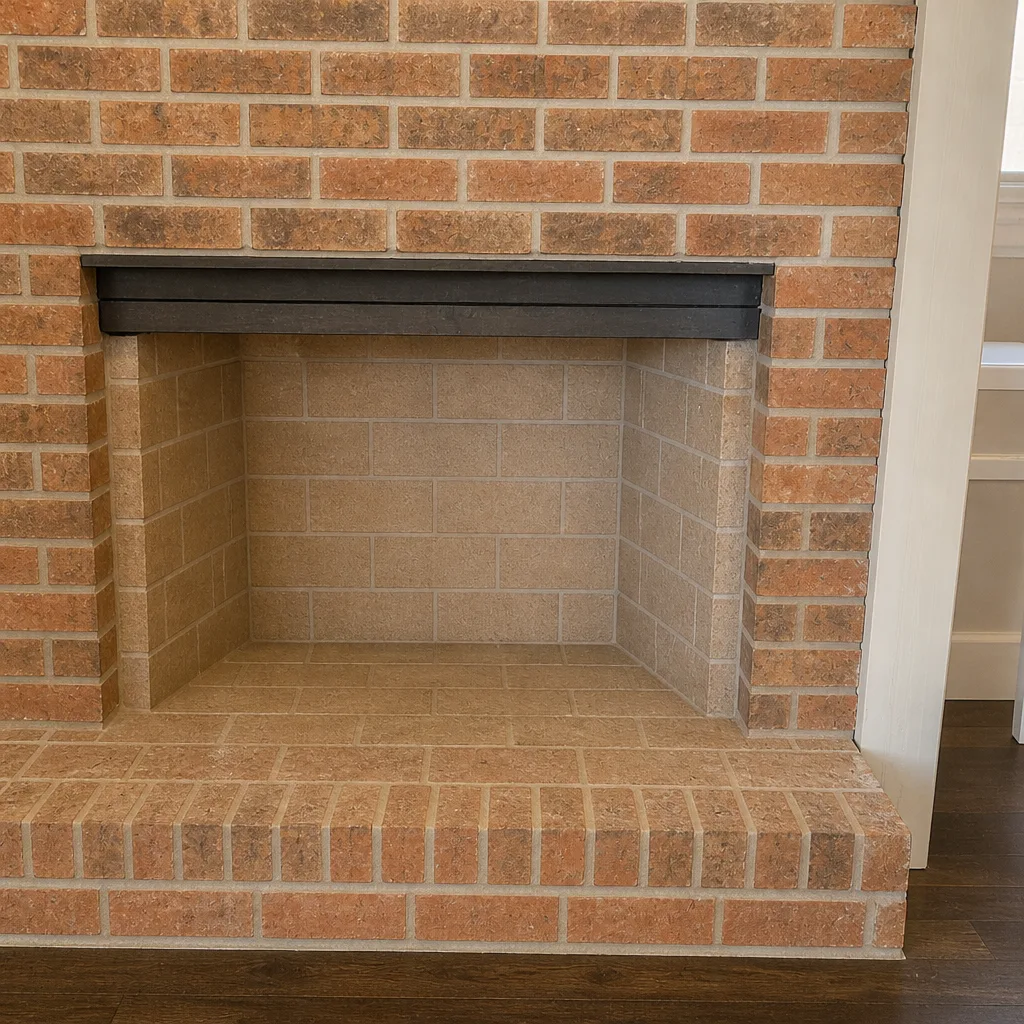 After
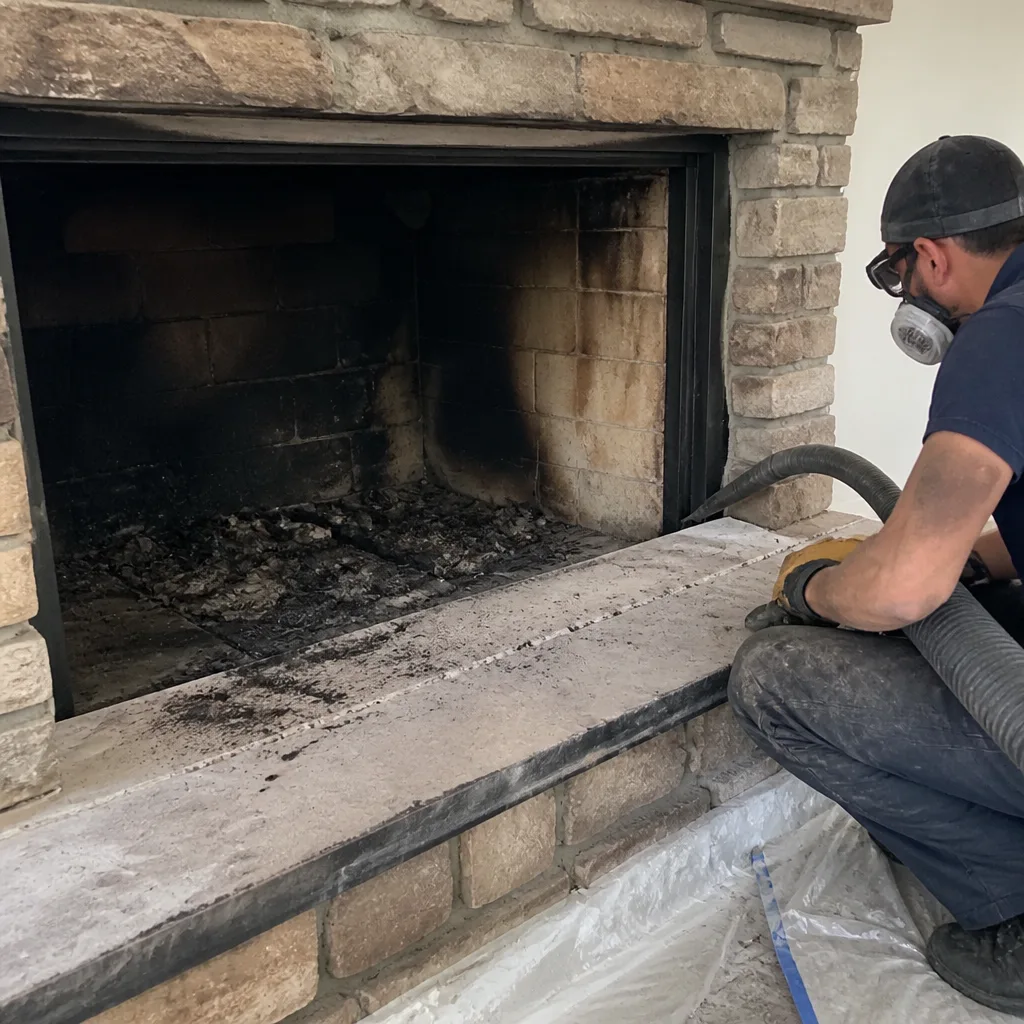 Before
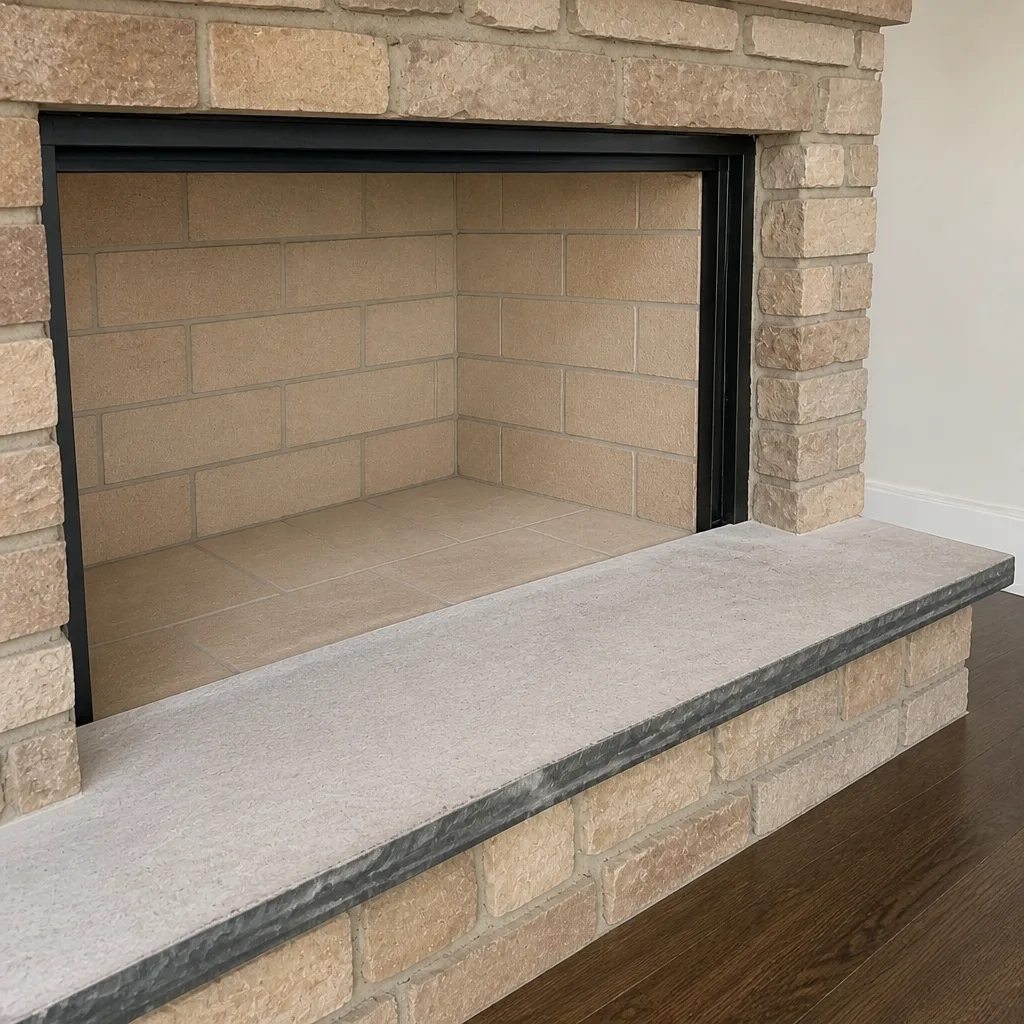 After
When to Call a Professional
Call a professional chimney specialist when any of the following applies: you haven’t had an inspection in over a year; a wildland fire burned within a few miles of your home; you felt an earthquake of 5.0 or above; you notice smoke backing into the room; the firebox, crown, or cap shows visible cracking; or the spark arrestor is damaged or missing. Those are the situations where the risk of skipping an inspection is higher than the cost of doing it. The rest – routine annual cleaning, pre-season prep, a check before a home sale – you should also get done, but you have time to schedule it in the spring.
Chimney Sweep Rancho Santa Margarita offers free estimates in Rancho Santa Margarita – call (855) 726-7893. We answer 24/7. Fast dispatch from 7am to 7pm, Sunday through Friday. Nothing gets recommended without camera evidence you can see for yourself, and the written estimate sets the final price.
Frequently Asked Questions
A typical chimney sweep in Rancho Santa Margarita runs in the $150 to $300 range for a standard cleaning and inspection, though the exact figure depends on the chimney’s condition and how long it’s been since the last sweep. Repairs like a crown replacement or flue resurfacing cost more and are quoted per job in writing. Call (855) 726-7893 for an exact quote – estimates are free.
Not always – and you shouldn’t accept a full liner replacement as a starting recommendation. Much of the flue damage we see in post-earthquake and post-fire inspections is localized, and HeatShield resurfacing is designed to restore and seal the flue from the inside without a full replacement. When the damage is beyond resurfacing, a liner system like DuraFlex or Gelco gets discussed. What you should always get is camera evidence of the damage before any work is recommended.
For a regularly used wood-burning fireplace, once a year or whenever the creosote reaches a quarter-inch, whichever comes first. Gas fireplaces don’t produce creosote but still need an annual inspection for venting and carbon monoxide safety. In Rancho Santa Margarita, we recommend the annual sweep in the March to May window, so any recommended repairs can be completed before June 1. Call (855) 726-7893 to schedule.
Skipping an annual inspection means you don’t know the condition of your flue – and a flue crack, deteriorated mortar, or heavy creosote deposit is not something a homeowner can detect from the living room. In the best case, nothing happens for another season. In the worst, a chimney fire or a venting failure sends combustion gases into the home. The cost of the inspection is a fraction of the cost of the repair it can prevent. Call (855) 726-7893 – estimates are free.
Only if you’ve had a chimney inspection within the last 12 months. Without a recent inspection, the safe answer is no – use blankets and layers, don’t burn. A cold house for a night is a manageable problem; a chimney fire in a flue that already took fire-event damage is not. If you’re unsure, call (855) 726-7893.
There’s no universal threshold, because ground motion depends on the quake’s location, not just its magnitude. Use the California Geological Survey shake map for your area: a 5.0 or above in your area warrants a professional inspection, and anything 6.0 or above, or any quake that leaves visible chimney damage, means stop using the fireplace until it’s inspected. A 4.0 to 4.9 that you felt clearly is a reasonable prompt for a precautionary visual check.
The Bottom Line
Emergency chimney preparedness in Rancho Santa Margarita is about a specific set of threats: ember intrusion from wildland fires, post-earthquake flue cracks from thermal shock and ground motion, and the risky decision to burn in an uninspected chimney during a power outage. The fixes are simple and seasonal. Book a sweep and inspection in the spring, confirm your spark arrestor is intact before June 1, know the earthquake magnitude that triggers a call, and don’t burn without a recent inspection during a blackout. If a fire burns nearby or the ground shakes, inspect before the next burn. The cost of a maintenance sweep is a fraction of the cost of the repair it prevents, and the written estimate is what sets the final price.
Call (855) 726-7893 for a free estimate. We answer 24/7. Fast dispatch from 7am to 7pm, Sunday through Friday. Camera inspection and photo report included, so you see exactly what we see before any repair is recommended.
Written by the team at Chimney Sweep Rancho Santa Margarita.