
Last updated November 25, 2026
 Sweep & inspection
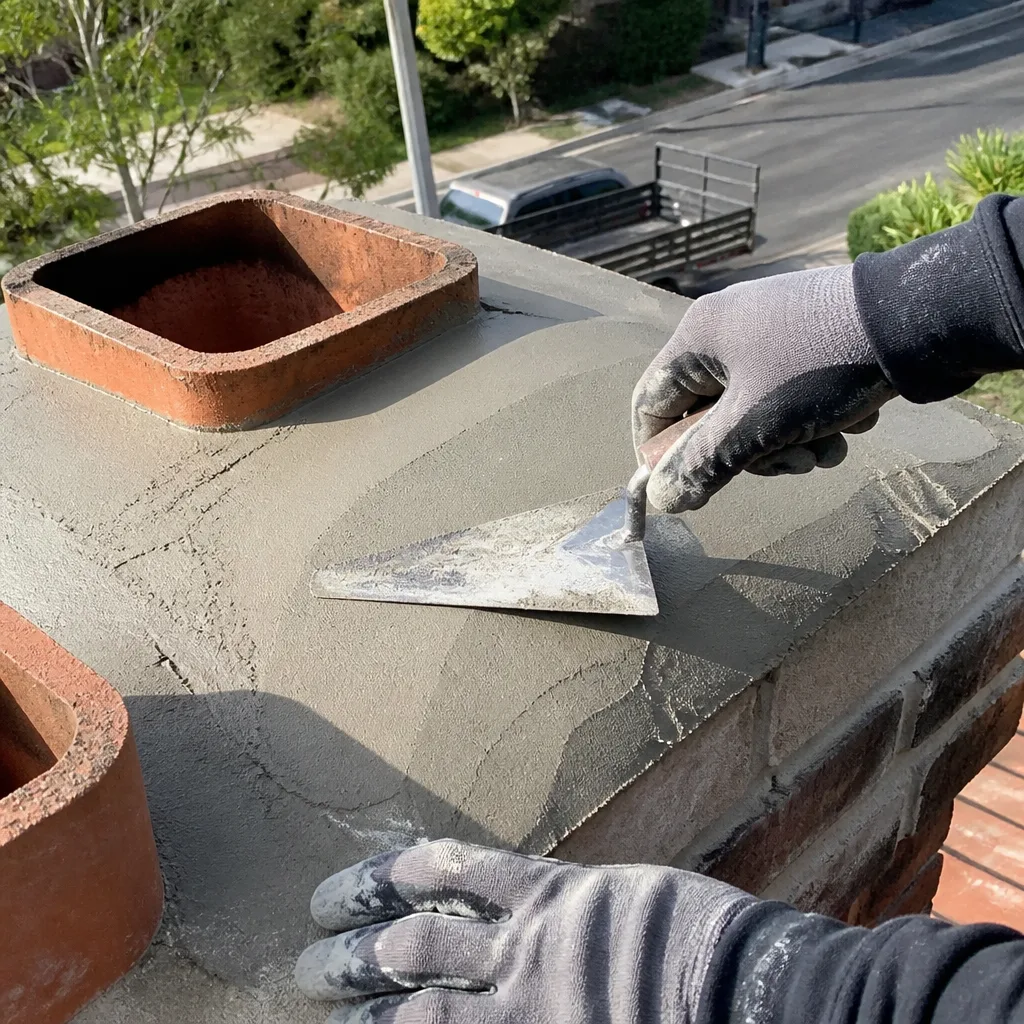
 Caps & crowns
 Flue relining
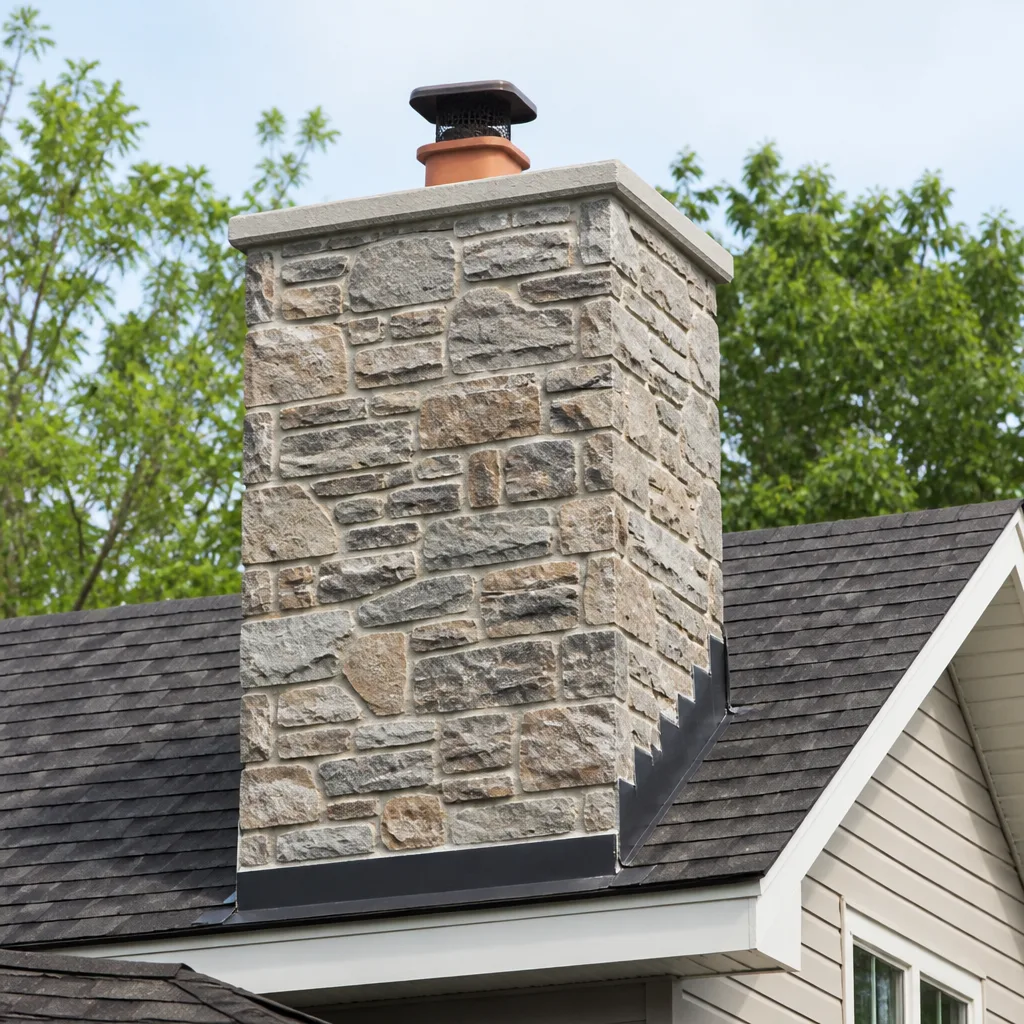 Masonry repair
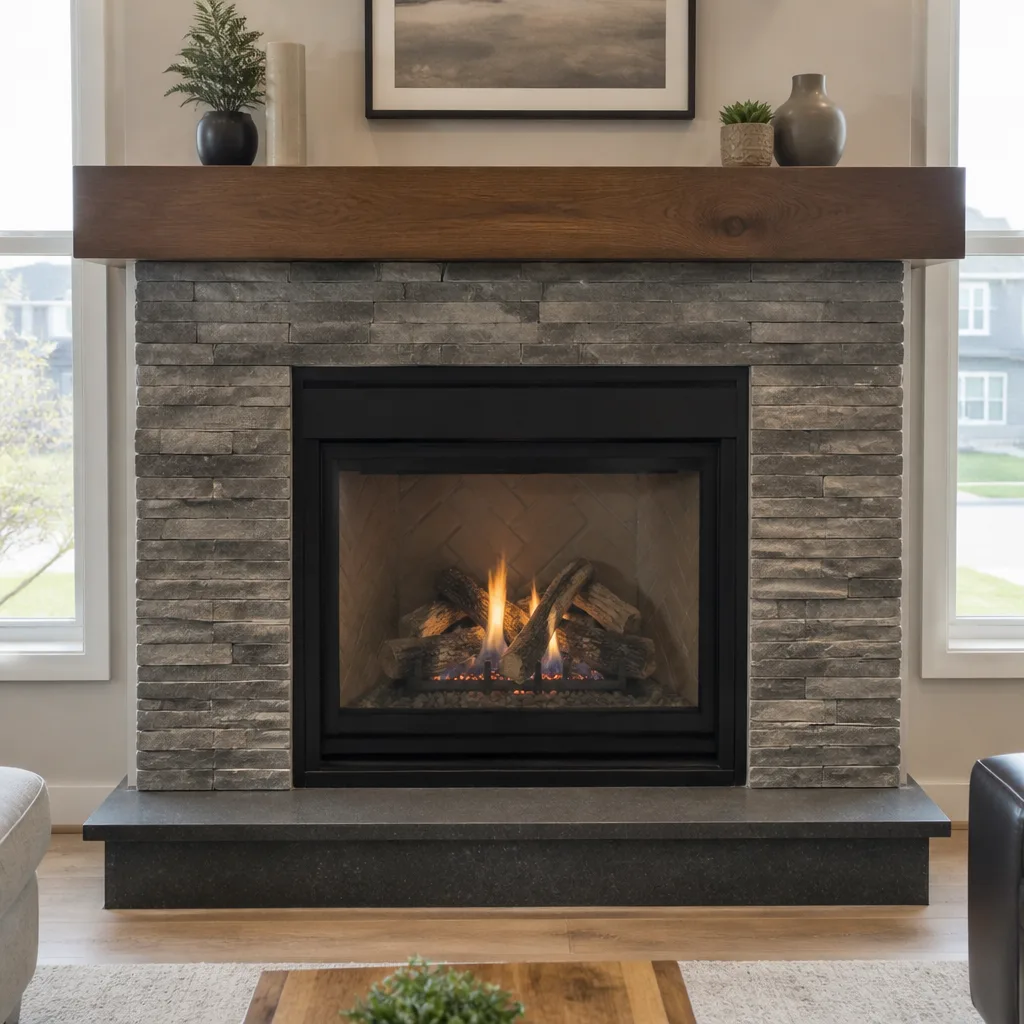 Gas fireplace service
Level 1 sweep and inspection to the NFPA 211 annual standard - flue, crown, cap, and flashing checked and photographed
Chimney sweep logs do not sweep chimneys. They loosen some creosote - which then falls where a brush and vacuum still have to collect it.
Seasonal Chimney Cleaning Care for Rancho Santa Margarita: Year-Round Homeowner’s Guide
Most chimney advice you’ll find online assumes four equal seasons and a long, hard winter. Rancho Santa Margarita doesn’t work that way. Our year splits into a fire season, a short burning window, a spring when wildlife moves in, and a dry summer dormancy that leaves a flue sitting idle for months. Each one creates a different hazard, and treating chimney care as a single fall cleaning is exactly how homeowners end up with a chimney fire or a carbon monoxide problem they never saw coming. This guide walks through what actually happens inside a Rancho Santa Margarita chimney month by month, what to check before the first fire of the year, and how to time cap, screen, and repair work around the local calendar.
Styles & brands we work with
- Sweep & inspection
- Caps & crowns
- Flue relining
- Masonry repair
- Gas fireplace service
Quick Answer
Chimney care in Rancho Santa Margarita should follow the local season, not a generic fall schedule: a full inspection before the first fire of the burning season, a check after any strong Santa Ana wind event, exclusion work in spring before birds nest, and a summer inspection during dormancy to catch blockages and moisture damage before fall. One annual sweep plus one pre-season inspection covers most homes, but the timing matters more here than in colder climates because the flue sits unused for so long.
Table of Contents
- Why Rancho Santa Margarita’s Seasons Don’t Divide Evenly
- What Happens Inside Your Chimney During Summer Dormancy
- The October Pre-Season Inspection: What to Check Before the First Fire
- Post-Santa-Ana Protocol: Wind, Debris, and Liner Damage
- Spring Wildlife and California’s Nesting Protections
- Why a July Check Matters Near Wildland Fire Corridors
- Managing the Burning Window: Creosote and Burn Habits
- Your Year-Round Chimney Calendar at a Glance
- Common Mistakes to Avoid
- When to Call a Professional
- Frequently Asked Questions
- The Bottom Line
Why Rancho Santa Margarita’s Seasons Don’t Divide Evenly
A chimney in a cold-climate city gets used constantly through winter and stays relatively self-cleaning because the flue heats up and dries out. A chimney in Rancho Santa Margarita spends most of the year cold and idle. That difference changes everything about how creosote forms, how moisture behaves, and when wildlife and wind do their damage. Instead of one long heating season, we think about four distinct phases, each with its own checklist.
Here’s how the year actually breaks down for a chimney in Rancho Santa Margarita:
- Fire season (roughly late summer through fall): the chimney is dormant, the air is dry, and the surrounding wildland corridors are at their most combustible. Any spark or ember that escapes a compromised flue is a serious problem.
- The burning window (late fall through winter): homeowners light the first fire, often after nine months of no use. This is when creosote that built up last season, plus fresh blockages from summer, meet a live flame.
- Spring wildlife period: birds and small mammals look for sheltered cavities, and an uncapped flue looks like prime real estate.
- Summer dormancy: the flue sits cold and unused, collecting webs, debris, and moisture that never gets burned off.
Notice that the dangerous moment is not the coldest night of winter. It’s that first fire in November, when everything the chimney collected over the previous nine months goes up against a fresh flame. The National Fire Protection Association reports that chimney fires peak nationally in January, but in Southern California the highest-risk window shifts earlier, to the first ignition after dormancy. Homeowners who sweep in October, not December, catch the problem before it burns.
What Happens Inside Your Chimney During Summer Dormancy
An idle chimney is not a clean chimney. Through the dry months, four things quietly collect inside the flue and firebox of a typical Rancho Santa Margarita home, and each one becomes fuel or a blockage by the time fall arrives.
Spider webs and insect activity. Spiders, wasps, and other insects move into the cooler, shaded flue during hot weather. Webs and nests cling to the damper and the smoke shelf, and they don’t clear themselves.
Bird and rodent nesting material. An uncapped or poorly screened flue is an open door. Nesting material is highly flammable and can block the flue entirely, and it’s one of the most common causes of a blocked chimney in this region.
Moisture from overnight conditions. Even in a dry climate, cool nights and humid mornings introduce moisture into an unlined or damaged flue. Combined with creosote residue, that moisture attacks masonry and accelerates spalling and cracking.
Windblown debris from dry brush. Rancho Santa Margarita sits among wildland corridors, and dry brush and leaf litter blow onto roofs and into flues through summer. That debris settles at the smoke shelf and damper.
Your chimney sweep in late summer clears all of it before the first fire, but a mid-summer check catches the worst of it earlier. If you’re wondering whether an idle flue really needs attention, it does. It’s a cavity that every bird, insect, and gust of wind in Rancho Santa Margarita has had months to fill.
The October Pre-Season Inspection: What to Check Before the First Fire
The single highest-value appointment of the year in Rancho Santa Margarita is the pre-season inspection, ideally in October before the first fire. Its job is to catch everything that built up during dormancy and every structural problem the off-season exposed, before a flame finds it. Here’s the checklist a proper inspection covers.
- Flue and firebox cleanliness. We check for creosote buildup, nesting debris, and webs, and confirm the flue is clear top to bottom.
- Damper operation. The damper should open and close smoothly and seal completely when closed, so you’re not losing heat or leaking smoke into the room.
- Liner condition. Cracked or separated liner sections allow heat and carbon monoxide into the structure. This is the check most homeowners never see done and the one that matters most.
- Cap and crown. We inspect the cap, spark screen, and crown for damage or gaps that let water and animals in.
- Masonry and joints. Cracking mortar and efflorescence (the white staining that signals moisture moving through masonry) get flagged here.
- Carbon monoxide readiness. We confirm you have working CO alarms on every level and near sleeping areas, and that the chimney is venting correctly.
You can do a few visual checks yourself before that appointment. Open the damper and look up with a flashlight for daylight and obvious nests. Run a hand along the firebox for crumbling mortar. If you smell a strong smoky odor on a cool, still evening with no fire burning, that’s a sign of a blocked or backdrafting flue. Anything beyond those surface checks belongs to a trained professional, and a full inspection is where it starts.
Getting this done before the first fire means a full Chimney Sweep Rancho Santa Margarita service and inspection land on the same visit, and any repair flagged gets handled before the burning season. Because we handle the sweep, the inspection, and the repair under one roof, the findings from your October appointment translate straight into the work that follows. You don’t have to find a second contractor to act on the report.
Post-Santa-Ana Protocol: Wind, Debris, and Liner Damage
A strong Santa Ana wind event can do physical damage to a chimney that no amount of sweeping prevents. The high-velocity, low-humidity winds that funnel through the region push airborne debris onto roofs and into flues, and they can dislodge a loosely seated cap, crack a crown, or shift a liner section that was already compromised. If a significant wind event passes through Rancho Santa Margarita, a quick check afterward is worth the effort.
Here’s what a post-wind check looks for:
- Displaced cap or screen. A cap knocked askew or a screen torn loose leaves the flue open to anything the next wind carries.
- Airborne debris in the flue. Brush, leaves, and grit blown in during the event settle at the smoke shelf and damper and create a blockage.
- Shifted liner sections. On an older or previously damaged liner, a wind-flexed chimney chase can move sections apart, opening gaps for heat and CO.
- Cracked crown. The crown is the concrete cap at the very top of the chimney, and wind-driven debris or a falling branch can crack it, which then lets water straight down through the masonry.
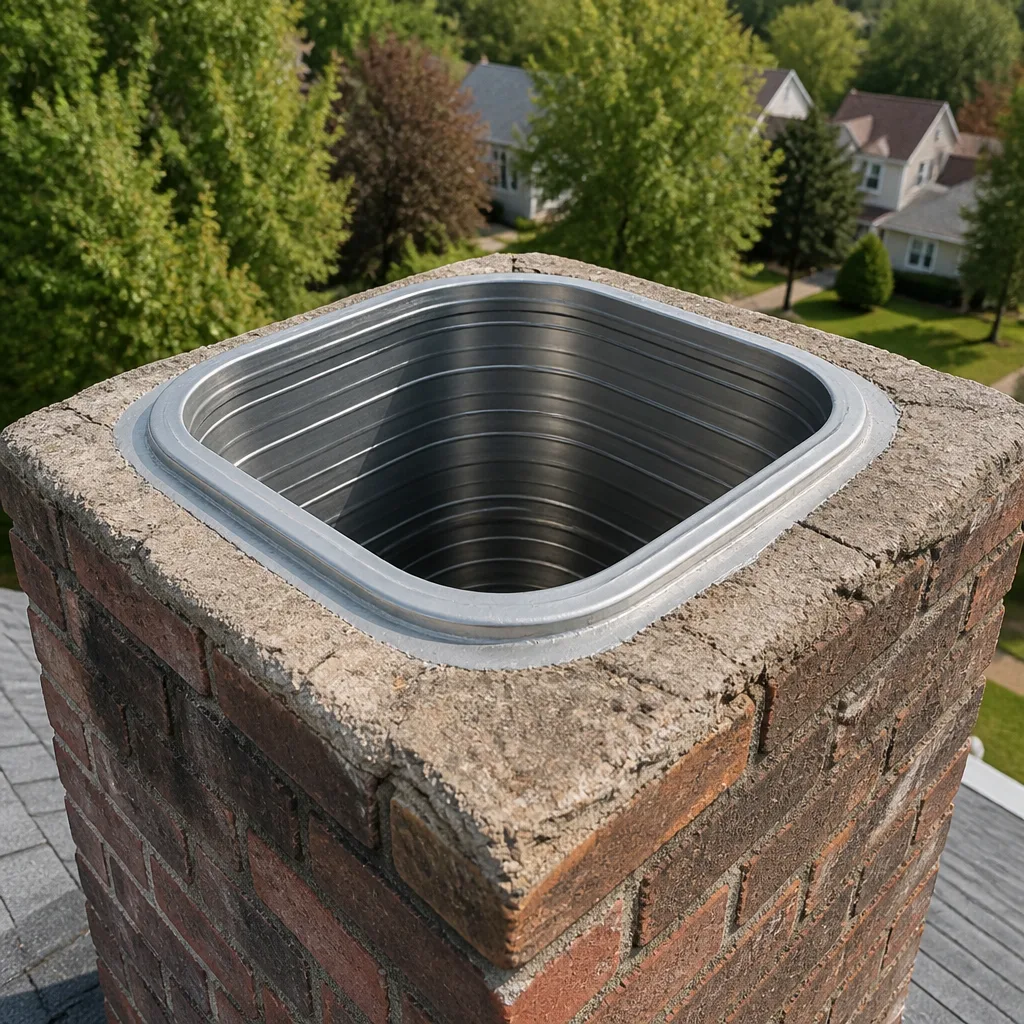
DuraFlex stainless liner systems are built to stay seated and resist this kind of movement, and a properly fastened cap and crown holds through wind far better than hardware-store fittings. When wind damage does happen, our approach is to diagnose before we repair, so a loose cap gets reset rather than a whole chimney rebuilt. If a Santa Ana event has passed through your neighborhood in Rancho Santa Margarita, and especially if you saw branches down or roof debris, schedule a check before you light the next fire.
Spring Wildlife and California’s Nesting Protections
Spring brings a timing problem that catches a lot of Rancho Santa Margarita homeowners off guard. From roughly February into late summer, birds and small mammals look for sheltered cavities to nest, and an uncapped flue is exactly that cavity. Push a sweep in spring and you can end up dealing with a protected nest. California law protects many nesting birds and their active nests, which means removal can’t happen on your schedule once a bird has settled in.
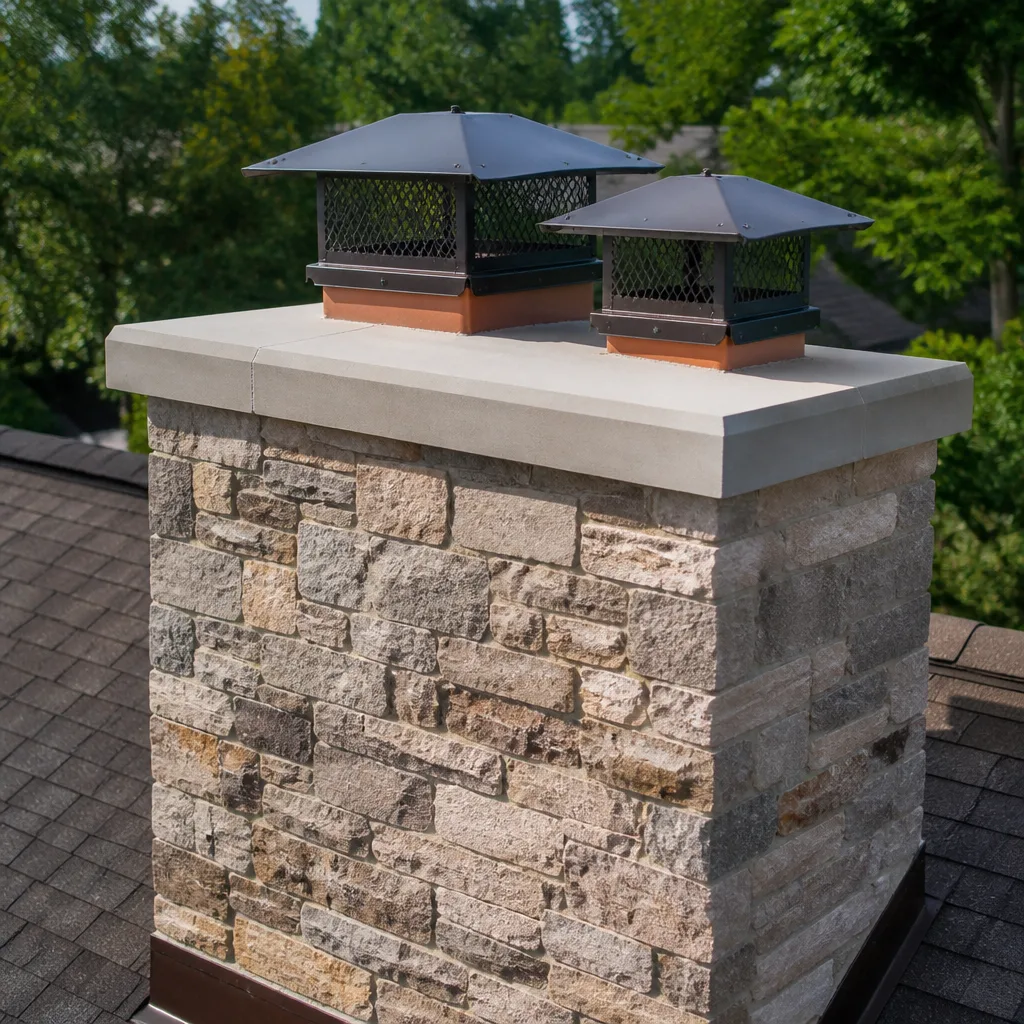
That changes the ideal timing for cap and screen work. The right move is to install a proper cap and screen before the nesting season, so the cavity is closed off before a bird claims it. Getting this done in late winter, before things get active, avoids the standoff entirely.
A proper cap with a fitted spark screen also closes off access for squirrels and other small mammals that use flues for shelter. Professional-grade caps from established supply lines like Copperfield or Olympia Chimney seat and fasten correctly, which is what keeps a determined animal out, not a loose screen that comes free in wind.
If you hear scratching, flapping, or chirping from the chimney in spring, don’t light a fire and don’t try to flush anything out yourself. Call us and we’ll assess it. There are ways to handle a nesting situation that respect the protections in place and still protect your home, but it takes someone who knows the calendar and the rules, not a hurried DIY attempt. Spring is also a good time to address cap and crown work left over from winter winds, and pairing it with a full inspection gets your chimney repair needs on the same visit.
Why a July Check Matters Near Wildland Fire Corridors
Rancho Santa Margarita sits among hills and wildland corridors, and that shapes chimney care in a way most guides never mention. During fire season, a chimney is the one part of your home that vents hot embers and sparks directly to the outside. If the flue is cracked, the crown is damaged, or the cap screen is missing, an ember that escapes carries straight into dry brush and flammable vegetation nearby. That’s the reason a mid-summer check carries real weight here.
A July inspection is not about creosote. It’s about fire containment and structural readiness:
- Check the cap screen for holes. A torn screen lets embers out and animals in. Fire season is when that matters most.
- Confirm the crown is intact. A cracked crown is a channel for embers and water both.
- Look for a compromised liner. A gap in the liner is a route for heat and sparks into the framing, not just the flue.
- Clear the flue of summer debris. Dry brush and leaf litter blown in over the season are ready fuel.
- Confirm the damper closes fully. A closed damper keeps an unused flue sealed against ember intrusion when you’re not burning.
Pair that with a working smoke alarm and carbon monoxide alarm check, and you’ve got a home that’s ready for the most dangerous months on the local calendar. A chimney repair visit in summer also handles any damage from the previous winter while the schedule is open and the flue is idle. Homeowners in Rancho Santa Margarita who treat July as a maintenance month avoid the fall rush entirely.
Managing the Burning Window: Creosote and Burn Habits
Once the first fire of the season burns, the character of your chimney work shifts back to creosote management. Every wood fire deposits creosote on the flue walls, and how fast it accumulates depends heavily on how you burn. Creosote comes in stages, from light soot to a hard, glazed, highly flammable layer that takes a trained sweep and often a chemical sweep to remove.
A few burn habits cut the rate of creosote buildup in a Rancho Santa Margarita home:
- Burn dry, seasoned wood. Wet or green wood produces more smoke and more of the unburned material that becomes creosote.
- Don’t choke the fire down. A smoldering, low-oxygen fire sends more creosote up the flue than a hot burn.
- Watch for a glazed, sticky flue. When creosote reaches the glazed stage, it’s a serious fire hazard and needs professional removal.
- Have the flue swept before the season, not during it. Creosote from last year plus this season’s buildup is a cumulative hazard.
If you notice a strong smoky smell, a flue that won’t draw, or creosote flaking and dropping down the flue, that’s a sign of buildup that needs attention before you burn again. Our technicians have up to 9 years of experience reading creosote stages and matching the sweep method to the buildup. Left unchecked, glazed creosote in the flue is one of the leading causes of chimney fires, and it’s the reason the pre-season sweep isn’t optional.
For homes with a damaged or deteriorating flue, a HeatShield application restores and seals the interior without a full liner replacement, which is a repair-first option worth asking about. It’s part of how we extend the life of a chimney system rather than jumping straight to replacement. A fireplace repair visit can address a firebox that’s taken on water or damage over a dormant season too.
Your Year-Round Chimney Calendar at a Glance
Here’s the seasonal schedule we recommend for a typical Rancho Santa Margarita home, condensed into one view. Adjust the exact timing to your burning habits and any past findings.
- Late winter (before nesting): install or repair cap and screen so the flue is closed to wildlife before spring.
- Spring: handle any cap, crown, or wind-damaged repair from the winter; address leftover rain-moisture issues.
- Summer (July): fire-season readiness check for the cap screen, crown, liner, and flue debris; confirm alarms.
- October (before first fire): full inspection and sweep; clear dormancy debris and last season’s creosote.
- After any Santa Ana event: quick check for displaced caps, debris blockages, and shifted liner sections.
- During the burning window: burn dry wood, watch for creosote signs, and sweep before the next season.
Two appointments, one in late summer and one in October, cover most homes. The one that homeowners skip, and shouldn’t, is the summer check. Rancho Santa Margarita’s proximity to wildland corridors makes it the appointment that protects the home and the hillside around it. The NFPA standard for wood-burning chimneys is an annual inspection, and a sweep as needed, and the local calendar above fits that standard to this climate.
Common Mistakes to Avoid
- Only sweeping in fall and never checking in summer. A chimney idle from spring to October fills with nests, webs, and windblown debris. Skipping the summer check means the first fire meets everything the off-season left behind.
- Ignoring an uncapped flue through spring. By the time you sweep in fall, a bird may already be nesting, and California’s protections on active nests limit what can be done. Cap it in late winter, before the cavity gets claimed.
- Assuming a clean-looking Chimney in Rancho Santa Margarita is a safe one. A clean firebox says nothing about the liner or the flue. The dangerous problems, like cracked liners and glazed creosote, are inside where you can’t see them.
- Burning wet or green wood because it’s what’s on hand. Wet wood and smoldering fires speed creosote buildup, and glazed creosote is the leading cause of chimney fires. Dry, seasoned wood and a hot burn keep the flue cleaner.
- Skipping the post-Santa-Ana check. High wind dislodges caps, cracks crowns, and can shift liner sections. A chimney that was fine before an event may not be safe after one.
- Treating it as a generalist job. A sweep that shows up, brushes, and leaves misses the inspection and the liner check that catch the real hazards. A full-system look examines flue, firebox, and masonry together.
- Leaving a known cracking or staining unaddressed. White staining on masonry, cracking, and a strong smoky odor are all signs the chimney has taken on water or damage. Left alone, they get more expensive to fix and more dangerous to use.
When to Call a Professional
Some jobs are a quick sweep. Others need a trained eye on the whole system, and here’s where the line usually falls. Call a professional if it’s been a year or more since your last service; if you smell a strong smoky odor on a still evening with no fire burning; if you see white staining or cracking on the masonry; if you’ve had a Santa Ana wind event with visible roof debris; if you hear animals in the chimney; or if you’re preparing to sell the home and need the chimney documented. Carbon monoxide is the quiet one, and any concern about CO or a backdrafting flue belongs with a specialist who can inspect the liner and venting properly.
Chimney Sweep Rancho Santa Margarita offers free estimates in Rancho Santa Margarita. Call (855) 726-7893 to book an inspection or a sweep, and get the full-system look your chimney deserves before the next burning season.
Frequently Asked Questions
For most homes, once a year before the burning season, plus an inspection after any strong Santa Ana wind event. If you burn wood frequently or notice glazed creosote, you may need a sweep sooner. The pre-season sweep in October is the baseline, and the summer fire-season check is worth adding in Rancho Santa Margarita. Call (855) 726-7893 for an exact quote, and estimates are free.
Because Southern California chimneys sit idle for about nine months before the first fire of the season. The National Fire Protection Association reports chimney fires peak nationally in January, but in this region the real danger lands in November, when that first ignition meets a flue full of the year’s debris and last season’s creosote. The October inspection is what closes that gap.
Debris, nests, and moisture accumulate during dormancy, creosote builds year over year, and structural problems like a cracked liner or a damaged crown go unnoticed until a fire or carbon monoxide event exposes them. None of it announces itself. Call (855) 726-7893 to schedule an inspection, and estimates are free.
Often it can be repaired rather than replaced. A deteriorating flue interior can frequently be restored and sealed with a HeatShield ceramic application, a repair-first option that avoids full liner replacement in many cases. When a liner genuinely needs replacing, professional-grade DuraFlex systems are what we install. We diagnose with camera inspection before recommending either, so the decision rests on what’s actually there. Call (855) 726-7893 for an exact quote, and estimates are free.
Spring is fine if it’s before nesting season, but the ideal timing for the sweep itself is October, before the first fire. The reason to schedule cap and screen work in spring is different: it closes the flue before wildlife moves in and California’s nesting protections limit removal. Time the cap work early and the sweep late. Call (855) 726-7893 for an exact quote, and estimates are free.
Yes, especially in Rancho Santa Margarita. Fire season makes a damaged crown, a torn spark screen, or a compromised liner a real hazard to the wildland corridors nearby, and summer dormancy fills the flue with dry debris. A July check catches all of it before the danger months. Call (855) 726-7893 to book one, and estimates are free.
The Bottom Line
Chimney care in Rancho Santa Margarita is a calendar problem more than a cleaning problem. The year has four phases, not one: a dormant summer that fills the flue, a first fire in November that meets everything summer left behind, a spring when wildlife claims an uncapped flue, and a fire season that punishes a damaged crown or liner. Cover two appointments, the July fire-season check and the October pre-season inspection and sweep, and most of the risk is handled. Add cap work in late winter, and a check after any Santa Ana event. If it’s been a year or more since your last service, or you’ve noticed cracking, staining, or a smoky odor, the simplest next step is to get it looked at.
Call (855) 726-7893 for a free estimate, and we’ll confirm what your chimney actually needs before the next burning season. We answer 24/7. Fast dispatch from 7am to 7pm, Sunday through Friday, closed Saturday.
Written by the team at Chimney Sweep Rancho Santa Margarita.
See the difference
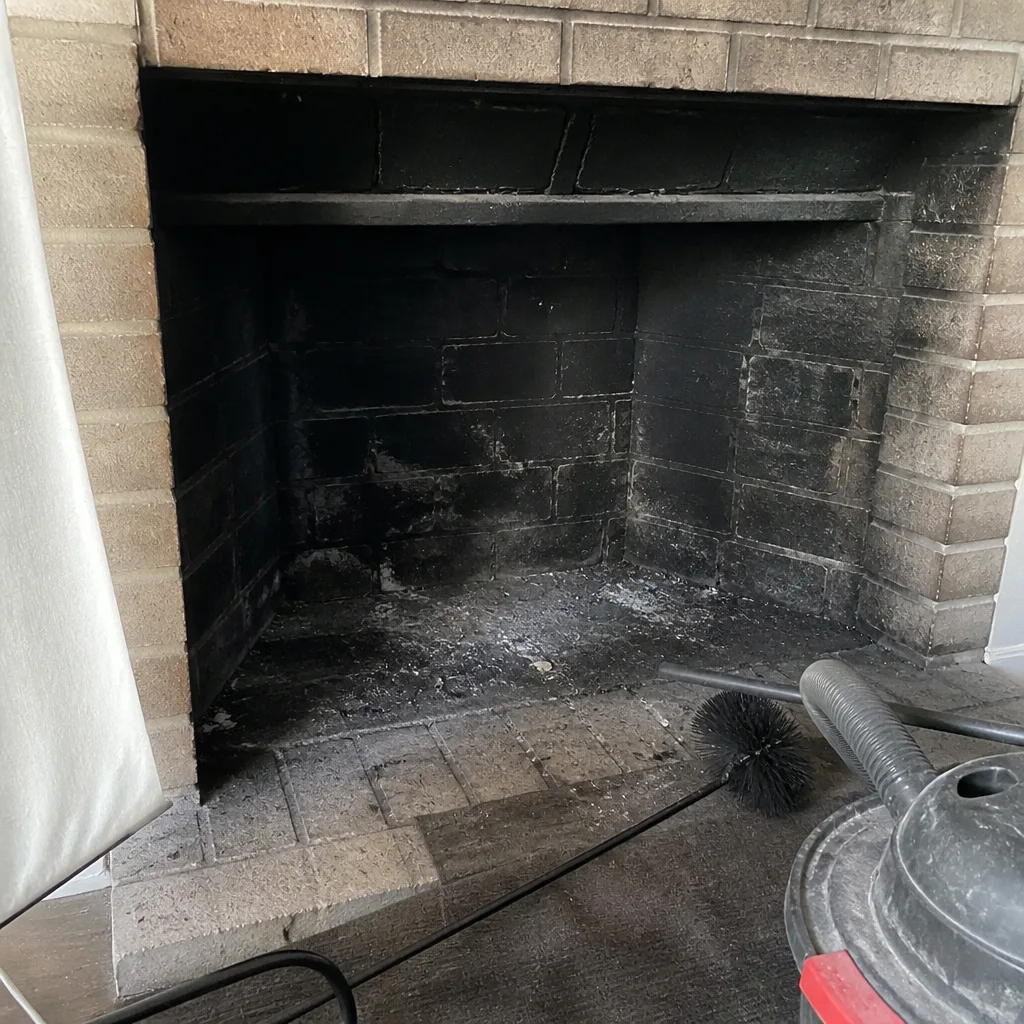 Before
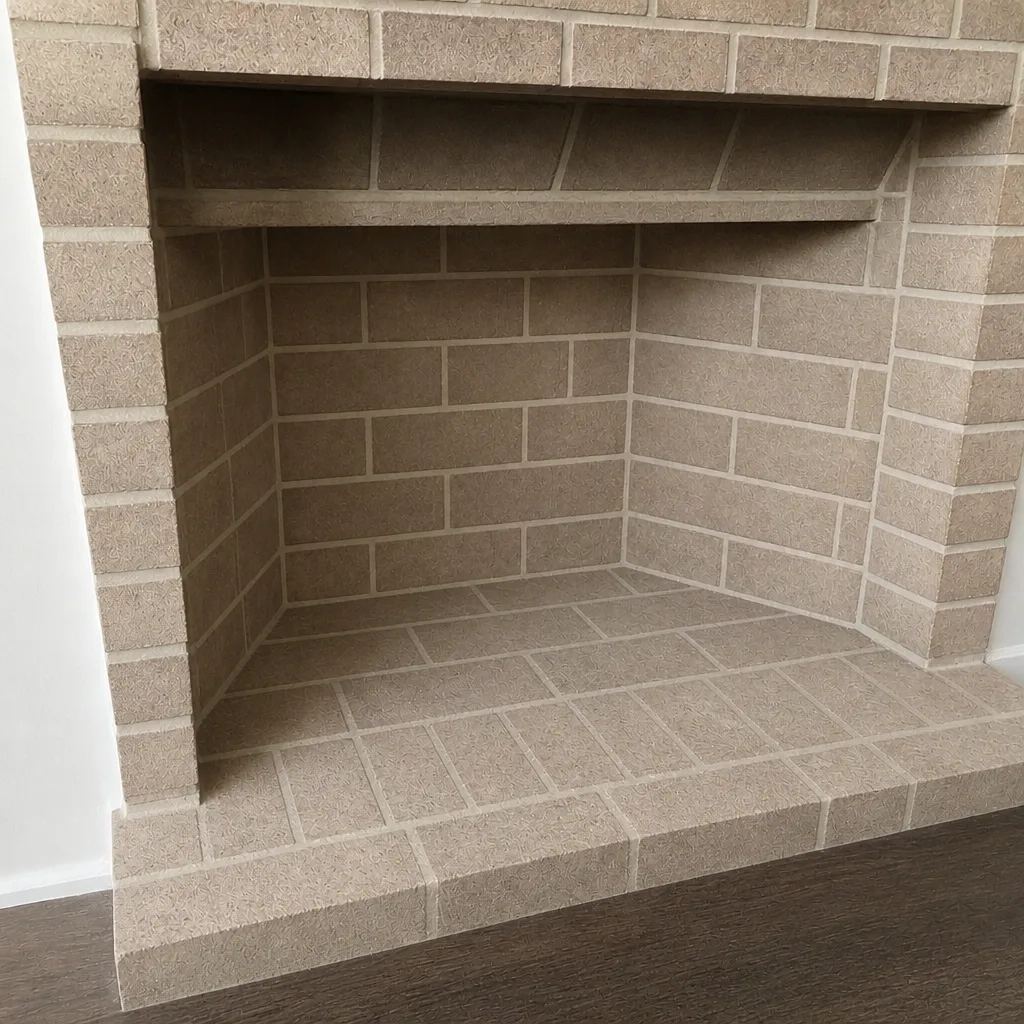 After
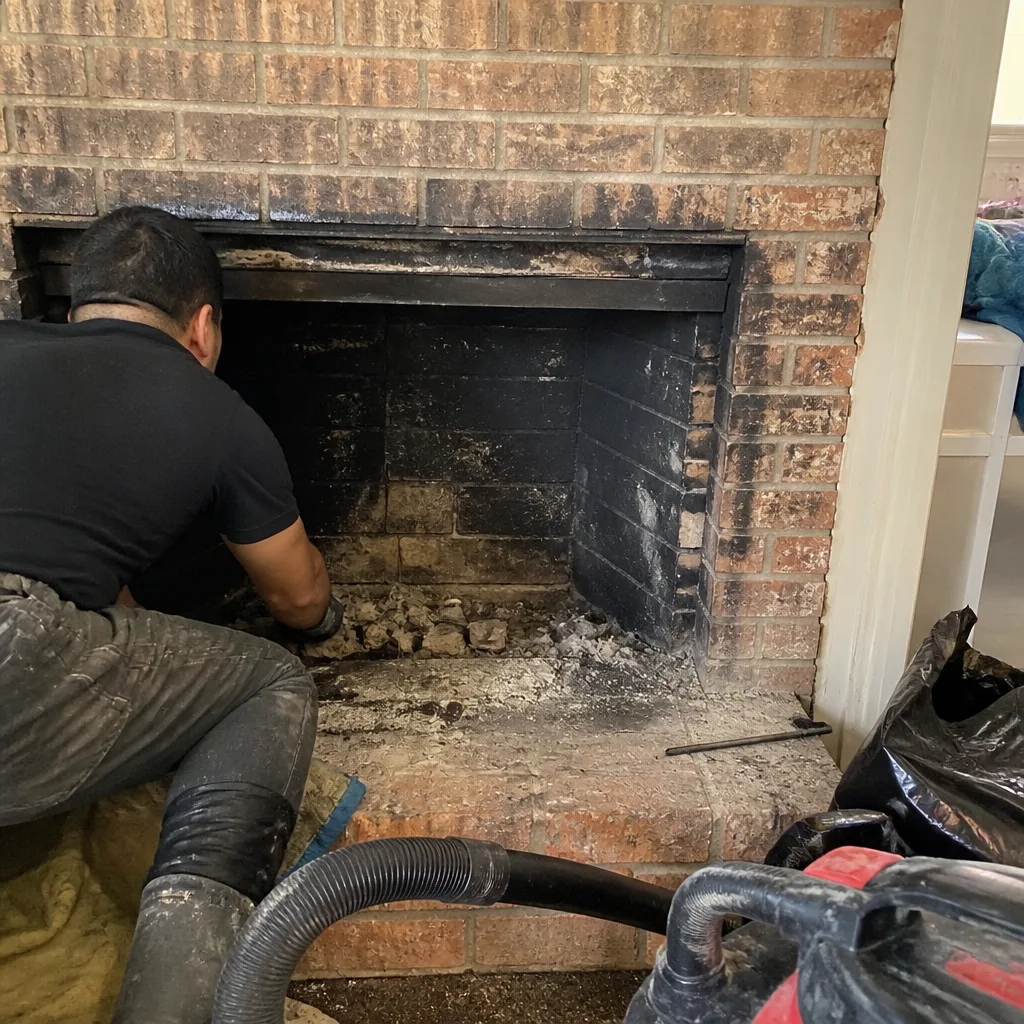 Before
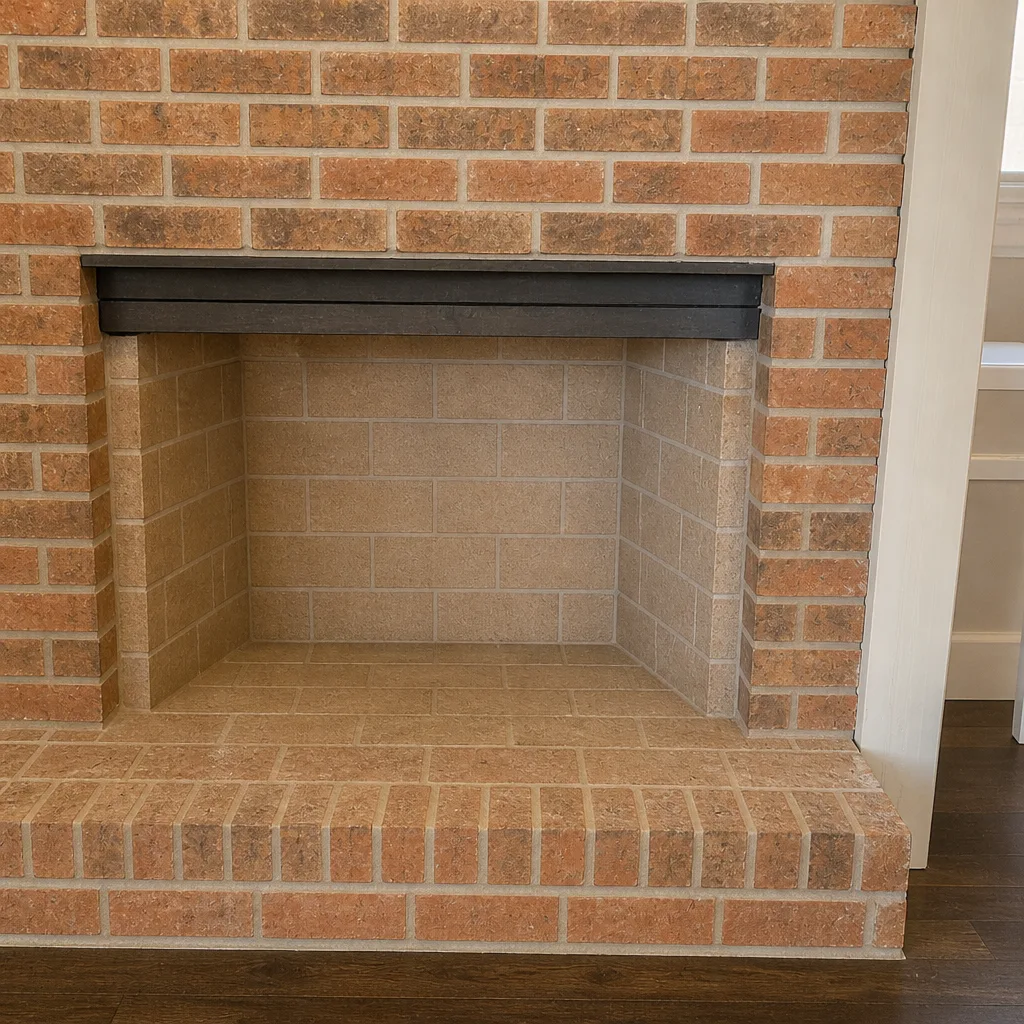 After
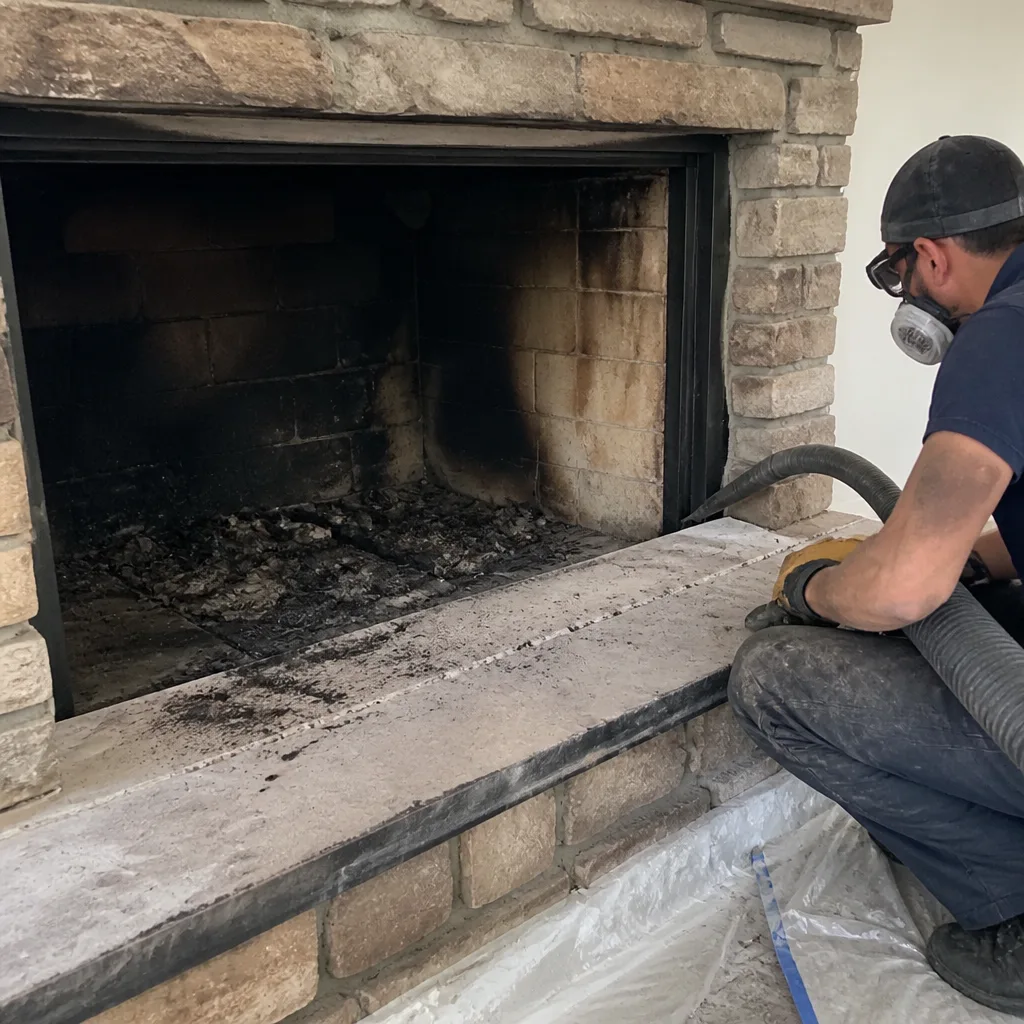 Before
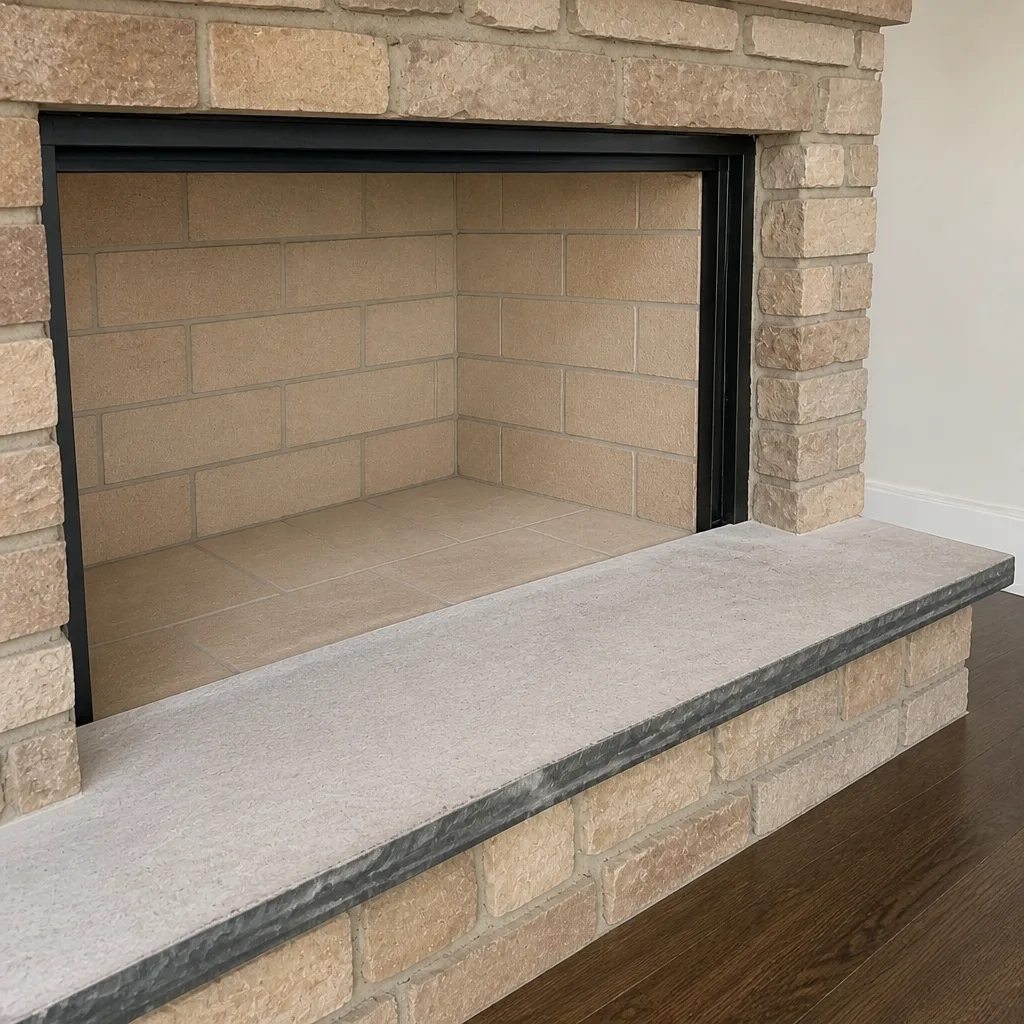 After