
Last updated November 25, 2026
 Sweep & inspection
 Caps & crowns
 Flue relining
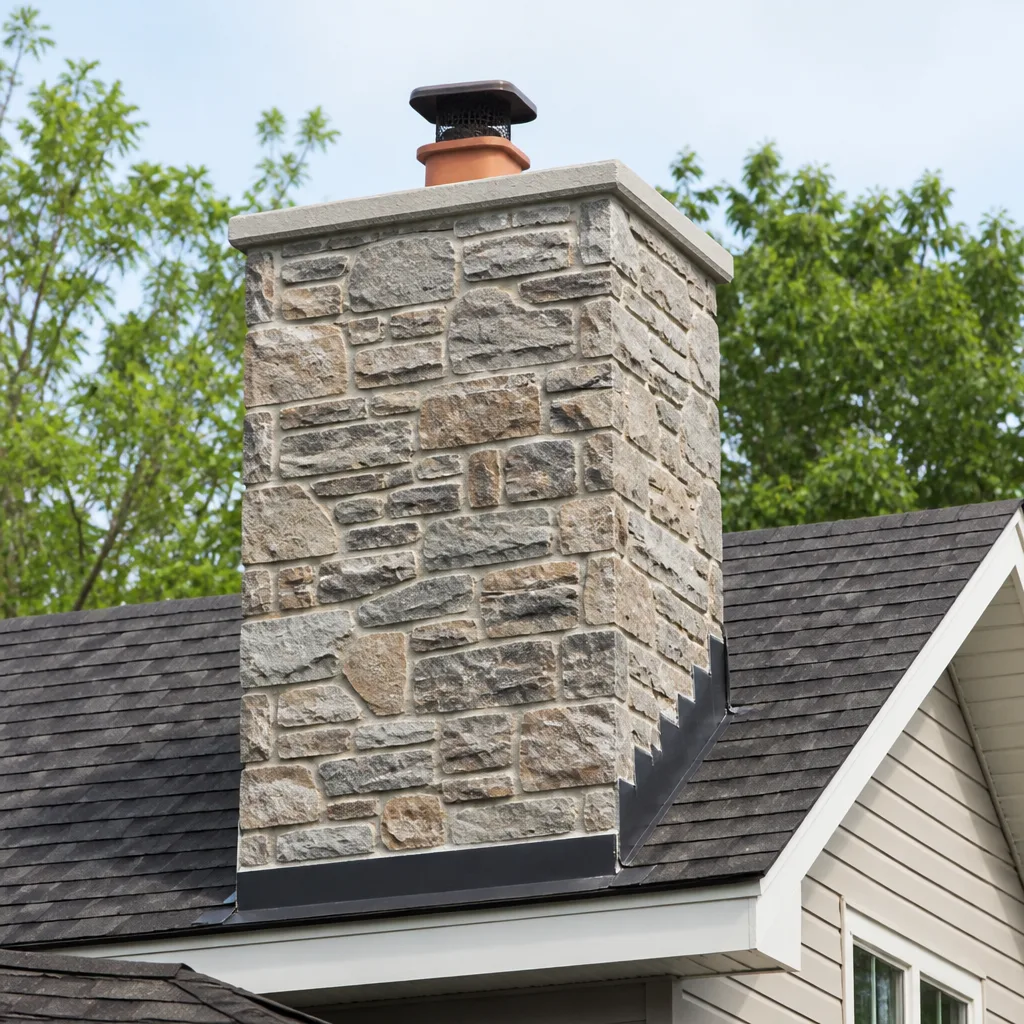 Masonry repair
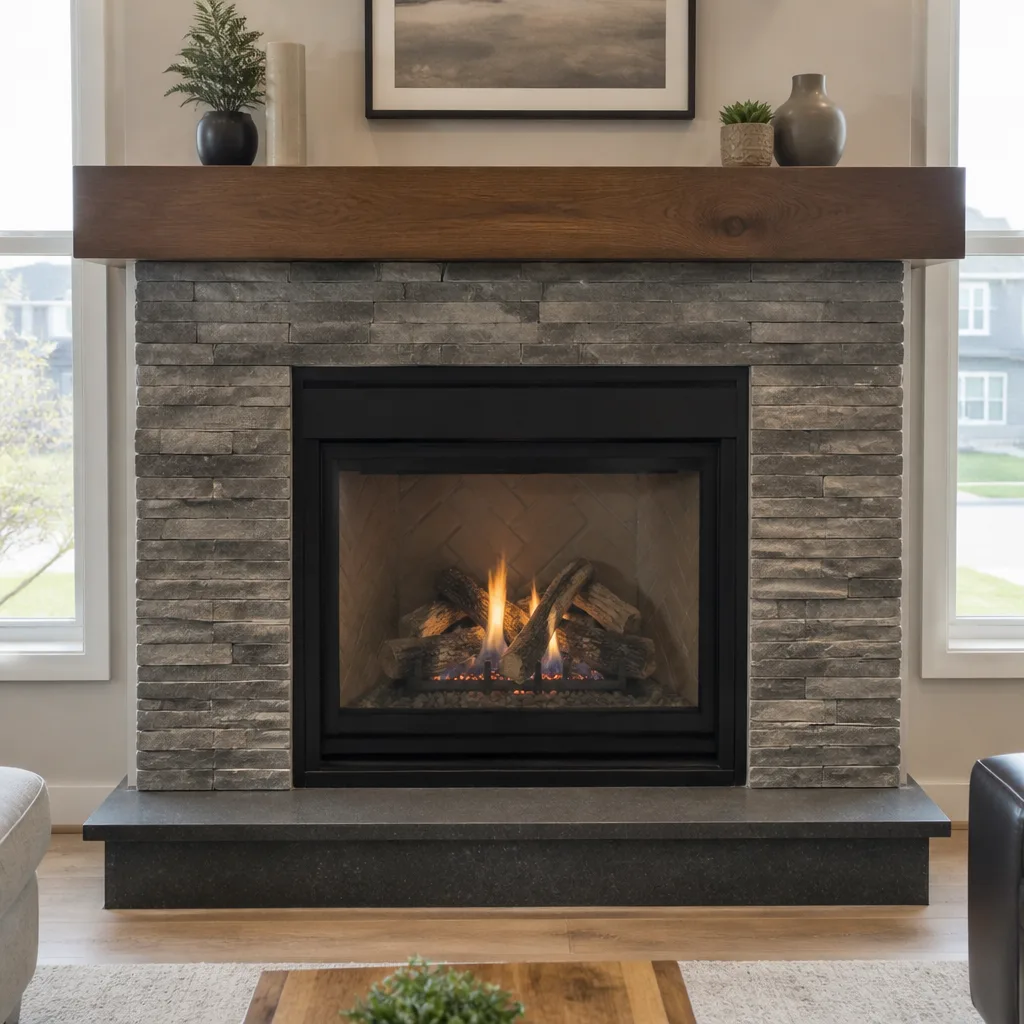 Gas fireplace service
Level 1 sweep and inspection to the NFPA 211 annual standard - flue, crown, cap, and flashing checked and photographed
Chimney sweep logs do not sweep chimneys. They loosen some creosote - which then falls where a brush and vacuum still have to collect it.
Chimney Cleaning Permits, Codes & Inspections in Rancho Santa Margarita, CA: What You Need to Know
Here’s the part most homeowners learn too late: a routine chimney cleaning in Rancho Santa Margarita usually needs no permit at all, but the repair that cleaning uncovers often does. The line between maintenance and regulated construction is thinner than people expect, and it rarely gets explained before a project is already underway. A cracked flue liner found during a sweep can pull a relining job into permit territory, trigger a city inspection, and create documentation that follows the house through a future sale. This guide draws that line clearly. You’ll learn where the California Building Code threshold sits, how permits move through the City of Rancho Santa Margarita and Orange County, how Title 24 touches your damper, what UL listing actually means on a liner, and how inspection records interact with California disclosure rules. Read it before you book the work, not after.
Quick Answer
A routine chimney cleaning in Rancho Santa Margarita does not require a permit. Once the work becomes an alteration – relining a flue, rebuilding a chimney above the roofline, changing the firebox, or replacing a damaged crown in structural ways – California Building Code Section R1003 and local building department rules generally bring a permit and inspection into play. The safest approach is to have the chimney inspected first, document the condition, and let the scope of work determine whether you file. Call (855) 726-7893 for a free estimate; we answer 24/7.
Styles & brands we work with
- Sweep & inspection
- Caps & crowns
- Flue relining
- Masonry repair
- Gas fireplace service
Table of Contents
- Where Cleaning Ends and Permitted Work Begins
- California Building Code Section R1003: The Threshold Explained
- How Permits Move Through Rancho Santa Margarita and Orange County
- Why Title 24 Affects Your Fireplace Damper
- Inspection Documentation and California Disclosure Rules
- What “UL-Listed” Means on Liners and Caps
- What a Proper Chimney Inspection Involves
- Common Mistakes to Avoid
Where Cleaning Ends and Permitted Work Begins
Cleaning is maintenance. Repairing is construction. That single distinction answers most of the permit questions we hear from Rancho Santa Margarita homeowners, and it’s worth sitting with for a moment because the two get blurred constantly in the chimney trade.
A chimney sweep removes creosote, soot, and obstructions from the flue. It’s a service action on an existing system. No permit. No inspection. No paperwork beyond the report you should be getting afterward. A sweep that turns up damage doesn’t change that – the cleaning itself is still maintenance.
The moment the scope shifts to alteration, the picture changes:
- Relining a flue with a stainless system – permitted work in most cases because it changes the flue’s composition and affects venting performance.
- Rebuilding a chimney above the roofline – structural masonry, always permitted.
- Replacing a firebox or modifying its dimensions – permitted, because firebox sizing is a safety calculation.
- Installing a new appliance connection such as a wood insert or a gas log set with a dedicated vent – permitted in most jurisdictions.
- Replacing a crown – a straight like-for-like swap may fall under repair in some cases, but rebuilding a crown with new structural elements usually needs a permit.
This matters because Rancho Santa Margarita’s housing stock is largely planned-community construction from a defined era, with tile roofs, stucco exteriors, and hearth systems that were installed to the standards of that period. When those systems reach the age where relining becomes necessary, the work isn’t a small patch – it’s a code-regulated alteration. The distinction isn’t academic; it’s the difference between a legally clean project and a compliance headache at resale.
Our technicians have up to 9 years of experience reading that line, and the honest answer is that it’s rarely black and white until someone actually looks at the flue with a camera.
California Building Code Section R1003: The Threshold Explained
California Building Code Section R1003 governs masonry chimneys, fireplaces, and vents. It’s the section that sets the rules for flue sizing, wall thickness, clearances, and the materials allowed in chimney construction and repair. When your project crosses from maintenance into alteration, R1003 becomes the reference document the building department uses to check the work.
Section R1003 isn’t a single rule you can quote and be done with – it’s a chapter that governs a lot of interrelated conditions. For homeowners, four provisions matter most:
- Flue sizing and venting. R1003 defines how the flue cross-section must relate to the firebox opening, and whether a given appliance can be vented into a given flue. Relining jobs that undersize or oversize the flue relative to the appliance fail inspection here.
- Clearances to combustibles. The code sets minimum clearances between the chimney and any combustible framing, and those clearances must be maintained and verified after a repair. This is where hidden damage often surfaces during inspection.
- Materials and construction. The materials used in a chimney repair must meet the code’s standards for masonry, mortar, and lining. Substituting non-listed or non-conforming liner materials on a permitted job creates a code violation even when the installation looks correct.
- Chimney height and termination. The code specifies where a chimney must terminate relative to the roof and nearby structures. Getting the height wrong is a common inspection failure on re-roof and rebuild projects, and it affects draft and safety.
What this means in practice: the moment your job is permitted, the inspector is evaluating the work against R1003, not against what looks acceptable. This is why we recommend a full condition assessment before filing a permit application – the design should follow the code from the start, not get corrected after a failed inspection.
If you’re already working through a repair and want the systematic view of what the job involves, our chimney repair page lays out the typical scope. For the liner side specifically, we install and work with DuraFlex and HeatShield, both of which are recognized in professional chimney supply chains and designed to meet code-compliant installation requirements.
How Permits Move Through Rancho Santa Margarita and Orange County
Building permits in Rancho Santa Margarita are handled by the City’s Building and Safety division, which coordinates with Orange County on fire and safety-related review. Chimney alterations that touch the venting system may also trigger review by the Orange County Fire Authority, particularly where a new appliance connection or a significant change to the flue is involved.
The process typically moves through these steps:
- Scope of work is defined. The contractor has to describe what’s actually changing – liner, crown, firebox, or chimney structure – with enough specificity that the plan reviewer can evaluate it vs. R1003.
- Permit application is filed. Drawings and manufacturer specifications for the liner or repair system are often attached. For relining, the manufacturer’s listing documentation usually comes with the submittal.
- Plan review. Simple repairs can clear plan review quickly. Larger scope or a fire authority referral can extend the timeline.
- Permit issued. Work can proceed. For an interior relining job, the work itself is usually faster than the permitting.
- Inspection. The building inspector verifies the work matches the approved scope and meets R1003. Failed inspections usually mean corrections and a re-inspection.
- Final sign-off. The permit closed out is the document you want in your file for resale.
Turnaround varies with workload and scope. A simple liner replacement in a Rancho Santa Margarita home can clear quickly, while a project that involves fire authority review or structural masonry takes longer. The practical advice we give: don’t book the repair installation until the permit is in hand. Scheduling around an issued permit is how projects stay clean.
One more thing – permits belong to a property, not a contractor. If a previous owner had chimney work done and you’re not sure it was permitted, that’s a silent liability. Ask the question before you close on the home. Our Chimney Sweep Rancho Santa Margarita service starts with a full-system look at what’s actually there, including whether the work shows signs of being done to code.
Why Title 24 Affects Your Fireplace Damper
California’s Title 24 energy code is about energy efficiency, not chimney safety, but the two intersect every time a fireplace is inspected. Title 24 requires that any fireplace installed or altered to serve as a heating source be equipped with a gasketed door assembly or a damper that limits air infiltration when the fireplace is not in use.
In practice, this shows up in three ways:
- Inspection findings. A chimney inspection in Rancho Santa Margarita routinely turns up a missing damper, a damper that no longer closes, or a damper that was never compliant to begin with. When it’s discovered during a cleaning, we flag it. Replacing it is not itself a permitting event, but the replacement hardware must meet the efficiency standard.
- New appliance connections. When you install a wood insert or a gas fireplace that becomes a heating source, the damper and door requirements come into the review. This is where Title 24 compliance becomes part of a permitted project.
- Insulation and air sealing around the chimney. Title 24 also touches on air sealing where the chimney penetrates the building envelope. Blocks, chases, and caps all affect this. A chimney cap installation and proper damper replacement together do more for the home’s energy profile than most homeowners realize.
Why it matters: if you replace a damper during a repair without checking the standard, you can end up doing the work twice. The right sequence is inspection, then a specific plan that meets both R1003 for safety and Title 24 for efficiency. Our team handles both in one visit, and the cap and crown work we do follows the same logic – Olympia Chimney and Copperfield components are used because they’re designed to work within code-compliant assemblies, not improvised hardware-store parts.
For a Rancho Santa Margarita home with an original fireplace from the planned-community construction era, the damper often needs attention long before the masonry does. Fixing it is cheap insurance against heat loss.
Inspection Documentation and California Disclosure Rules
California’s real estate disclosure law (Civil Code Sections 1102 et seq.) requires sellers to provide buyers with a Transfer Disclosure Statement covering material facts about the property, including any condition that materially affects its value or use. A chimney that has not been swept or inspected in years, or one with known damage, is exactly the kind of thing that belongs on that disclosure.
What this means in practice for Rancho Santa Margarita homeowners:
- Before listing: A professional chimney inspection and cleaning gives you a current condition report to work from. If repairs are needed, you can either complete them before listing (and include the permit and inspection records) or disclose them accurately.
- During escrow: Buyers frequently ask for a chimney inspection as part of their due diligence. A report that shows a clean flue, a functioning damper, and an intact crown will short-circuit most of those conversations.
- If damage is found mid-sale: The permit trail matters. A permitted relining job with a signed-off inspection is documentation. An unpermitted repair is a question mark that can complicate closing or cost a credit at the negotiation table.
The documentation piece has value beyond resale. It’s the evidence that ties the condition of your chimney to a known date and a known inspector’s findings. If you ever need to make an insurance claim related to a chimney fire or a water intrusion event, that record does the explaining.
We always recommend homeowners keep their inspection reports with the home’s other records – warranty documents, HVAC service logs, appliance manuals. A chimney’s repair history is part of the house.
What “UL-Listed” Means on Liners and Caps
A UL listing means the product has been tested by Underwriters Laboratories against a specific safety standard and found to meet it. On a chimney liner, that means the material, construction, and design have been verified for use in a chimney under defined conditions – temperature ratings, chemical compatibility with creosote and flue gases, and structural integrity.
The listing is what the building inspector checks. On a permitted relining job, non-listed material fails inspection even if it looks and fits correctly. And here’s the part that catches homeowners on unpermitted work: the code doesn’t care whether a permit was pulled. Substituting non-listed materials on repair work that didn’t require a permit creates a code violation anyway, because the material requirements in R1003 apply regardless of permit status. You can end up with a legally non-compliant chimney that passed no inspection.
The ways this goes wrong:
- Generic liners sold under no recognizable standard. Often marketed as “equivalent” to a listing but without documentation.
- Caps cut from sheet metal. A cap is not just a lid – it’s part of the venting system and its clearance and draft behavior matter. Substituting a generic cap for a listed one is common and often untested.
- Liner sizing that doesn’t match the appliance. A listed liner installed at the wrong diameter for the appliance still fails, even though the material is compliant.
The reason we work with DuraFlex, Gelco, HeatShield, Olympia Chimney, Famco, and Copperfield is not brand loyalty. It’s that these manufacturers supply the listing documentation that permits and inspections actually require, and the products are the same tier used by CSIA-certified professionals. When you’re checking a contractor’s proposal, ask for the liner’s listing document by name. A professional won’t hesitate to show it.
What a Proper Chimney Inspection Involves
An inspection is the piece of the puzzle that determines everything else. It’s also the step homeowners are most tempted to skip, because a sweep looks sufficient. It isn’t. Cleaning removes what a brush can reach. An inspection sees the rest of the system.
A proper inspection follows the three-level framework recognized in the chimney trade:
- Level 1 – basic inspection. Visual check of the readily accessible portions of the chimney, firebox, damper, and connector. Performed during every cleaning. No camera required, but it can only verify what’s visible.
- Level 2 – camera inspection. Video scope of the flue interior, the firebox, and the accessible portions of the chimney exterior. This is the inspection that reveals hidden liner cracks, gaps, and damage. It’s also the inspection typically required on a home sale, after a chimney fire, or when changing to a different appliance type.
- Level 3 – diagnostic inspection. When Level 2 findings suggest concealed damage, Level 3 involves opening the chase or accessing areas not normally visible. Rare, but the right answer when a repair seems to be recurring.
In Rancho Santa Margarita, we default to Level 2 on any chimney that hasn’t been serviced in over a year, on any home that’s been sold or is about to be, and any time a Level 1 raises a question. The camera is the reason we can tell you with confidence what your flue looks like, and give you the photo record to see for yourself. Nothing gets recommended without that evidence.
If you’ve already had a chimney sweep recently and want the deeper look, book an inspection directly. If you haven’t been serviced in over a year, start with a cleaning plus a Level 2 inspection – we coordinate both on the same visit. For the repair side that sometimes follows, our fireplace repair page shows how findings turn into a repair plan.
Understanding the Repair-First Approach
One thing that confuses homeowners about chimney codes: the code doesn’t require full replacement when a repaired system meets the standard. Section R1003 governs the outcome, not the method. If a flue can be restored to code-compliant condition without a full reline, that’s often the better answer – less invasive, less expensive, and equally compliant.
This is where resurfacing systems like HeatShield earn their keep. HeatShield is a ceramic-based repair system applied to a deteriorated flue interior. It’s designed to seal cracks and restore a smooth, code-compliant surface under defined conditions. When a Level 2 inspection finds isolated deterioration rather than a failed liner, resurfacing can be the repair-first answer instead of automatic relining.
When resurfacing isn’t the right answer:
- The flue liner is missing entirely, or masonry is compromised beyond resurfacing.
- The flue is undersized for the appliance and needs a different diameter.
- The damage is structural – cracked flue tile that’s separating from the chimney structure.
In those cases, a listed stainless liner is the code-compliant fix. The point is that the decision should be driven by an inspection, and the discussion with your contractor should stay on that plan. If you’re being told to reline without seeing a camera image of what’s wrong, ask to see it. That’s a reasonable expectation and a fair test of any contractor.
Common Mistakes to Avoid
- Skipping the inspection to save time. A cleaning that doesn’t include a Level 2 camera inspection can miss a cracked flue hidden behind years of creosote. That’s the exact damage that fails a building inspection or surfaces as a disclosed defect at sale.
- Assuming all cleanings need no review. Routine cleanings rarely need a permit in Rancho Santa Margarita, but the moment a sweep finds damage, the project changes shape. Ask the technician to tell you, in writing, whether the recommended work is maintenance or alteration.
- Installing a liner without checking the listing. Generic liners without UL documentation create a code violation even on work that never required a permit. Ask for the listing document by manufacturer and product name before the install begins.
- Replacing a damper without checking Title 24. A damper is cheap to replace and easy to replace wrong. If the fireplace serves as a heating source, the replacement must meet the efficiency standard.
- Letting a contractor pick the liner “while we’re here.” Sizing and material are determined by the appliance and the flue, not by what’s on hand. A correct liner for one home is the wrong liner for another; the sizing has to follow a design review.
- Assuming a prior owner’s chimney work was permitted. Unpermitted chimney work is one of the more common discoveries during a Rancho Santa Margarita home inspection. Ask for the permit record.
- Treating the cap and crown as cosmetic. The crown is the most common source of water damage at a chimney. Saving a few hundred dollars on a proper cap and crown install often leads to masonry repair down the line.
See the difference
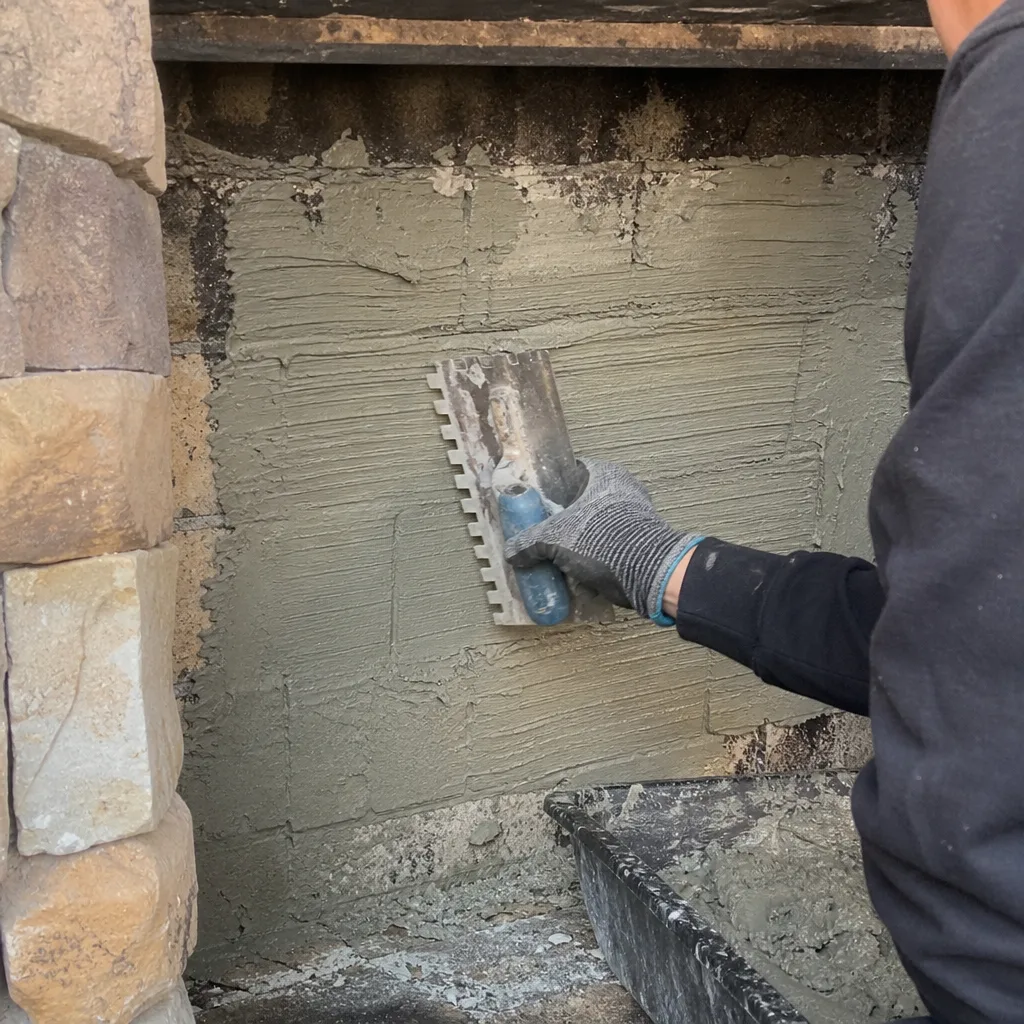
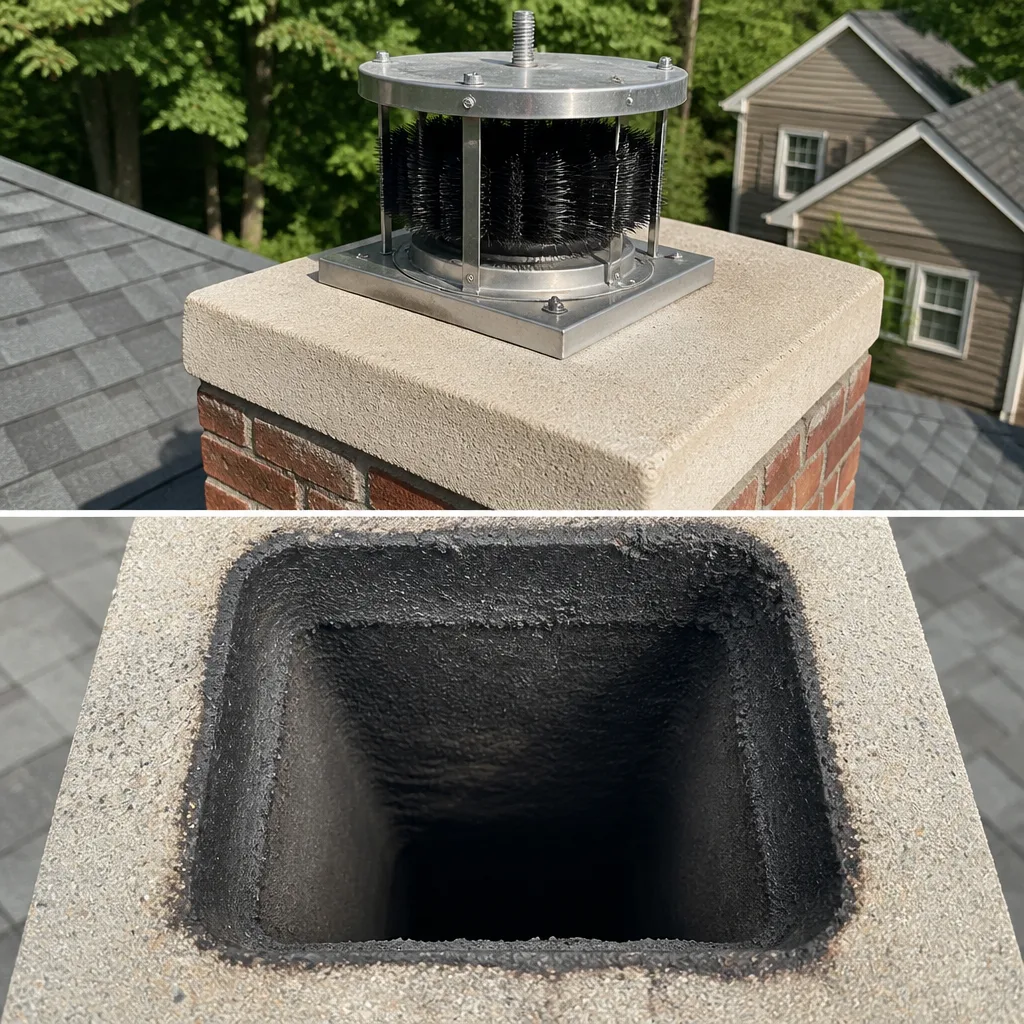
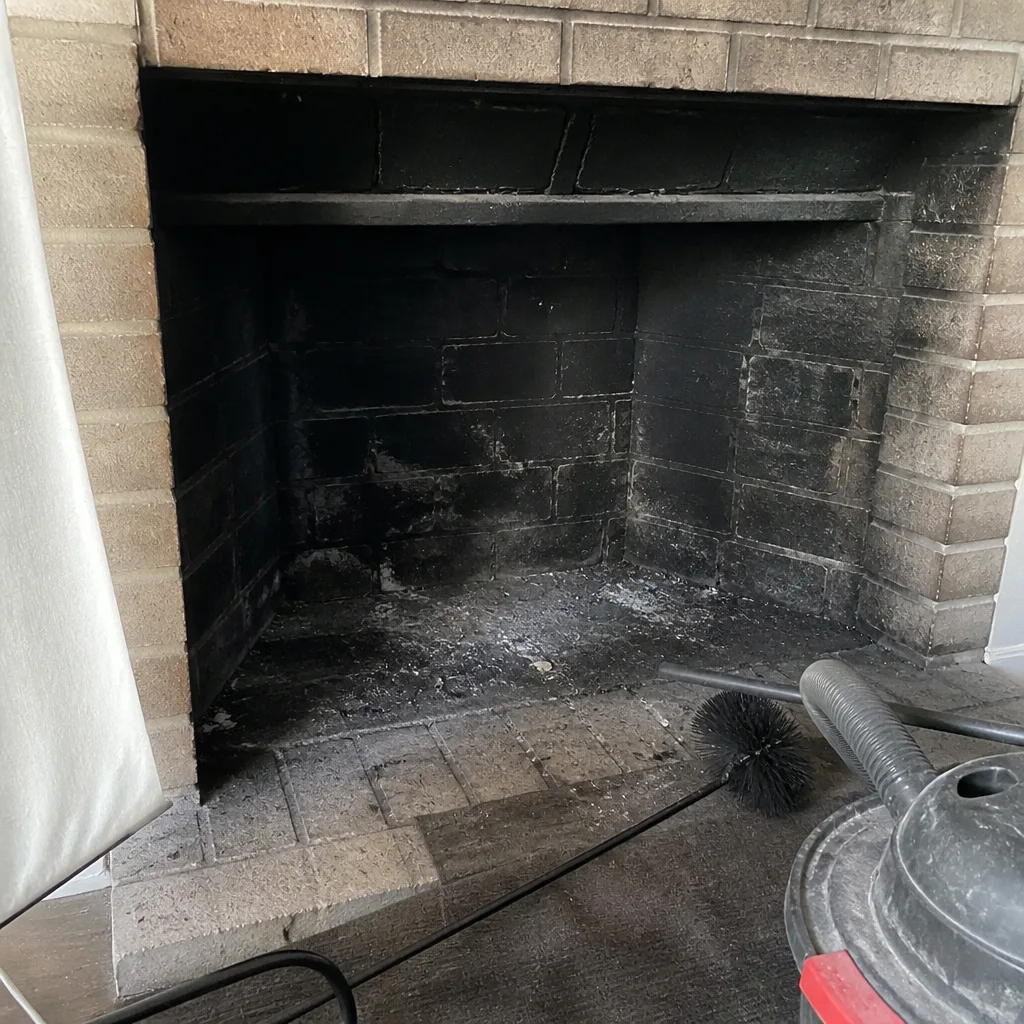 Before
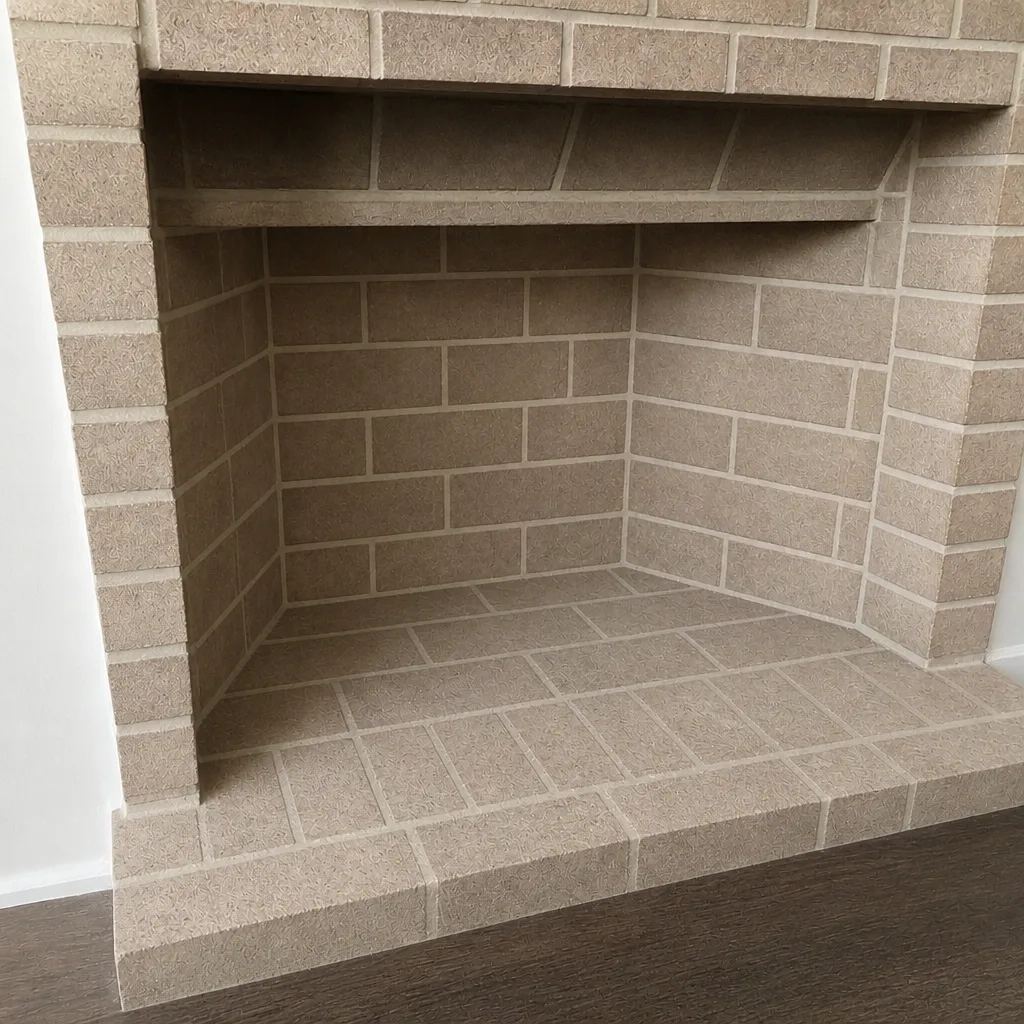 After
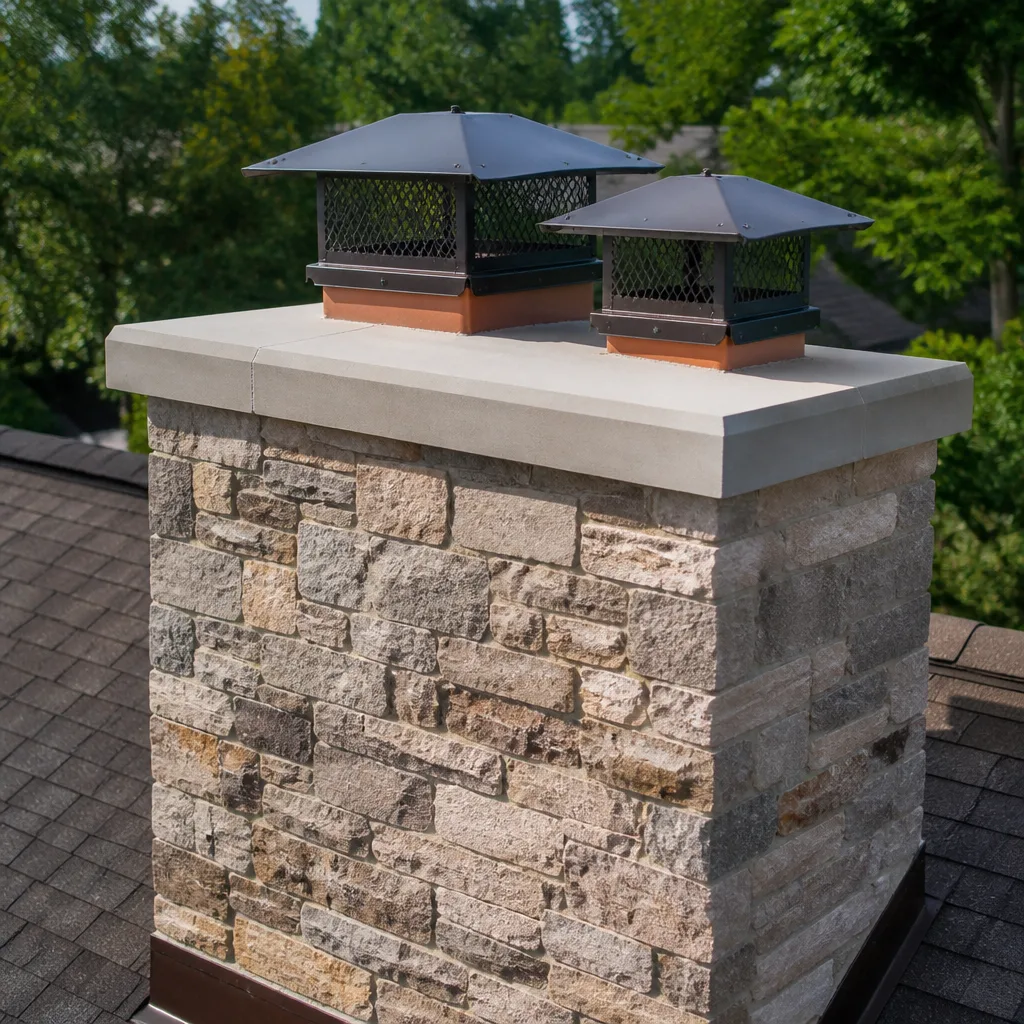
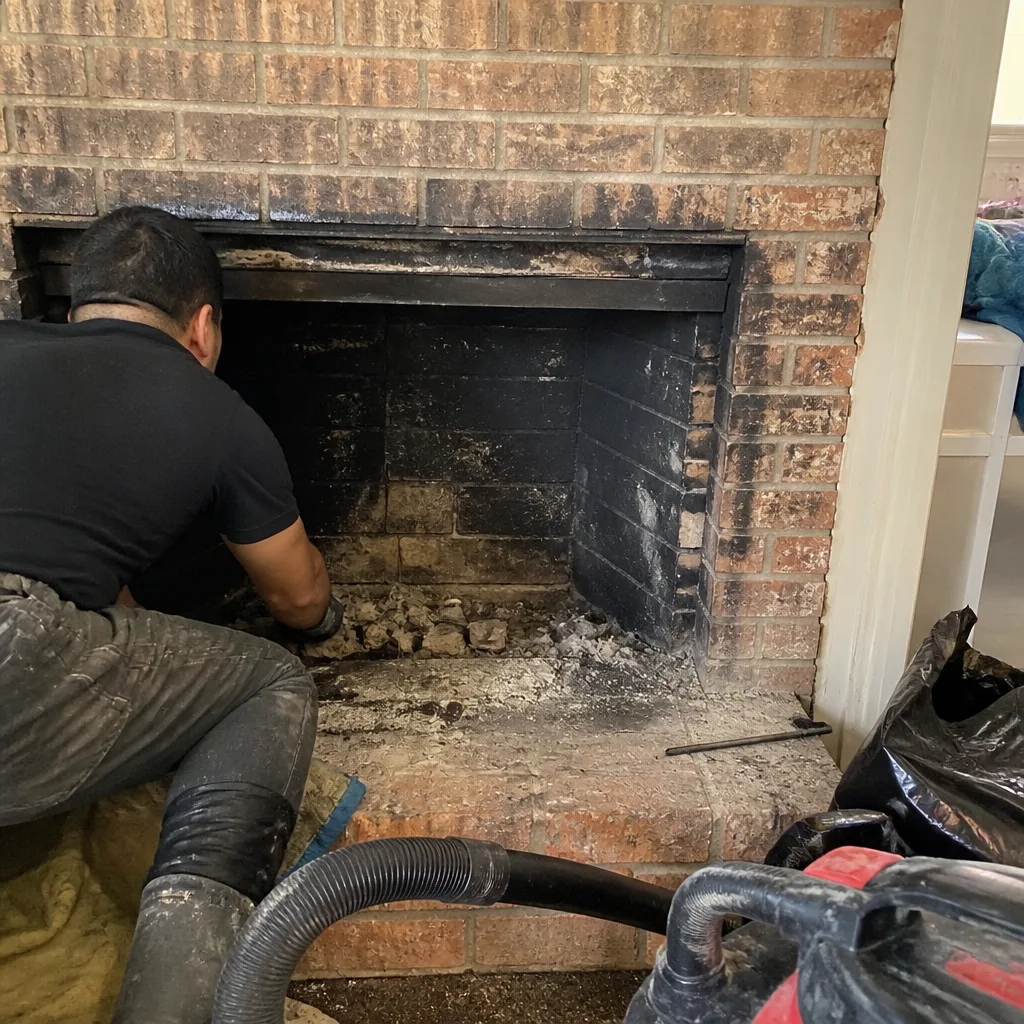 Before
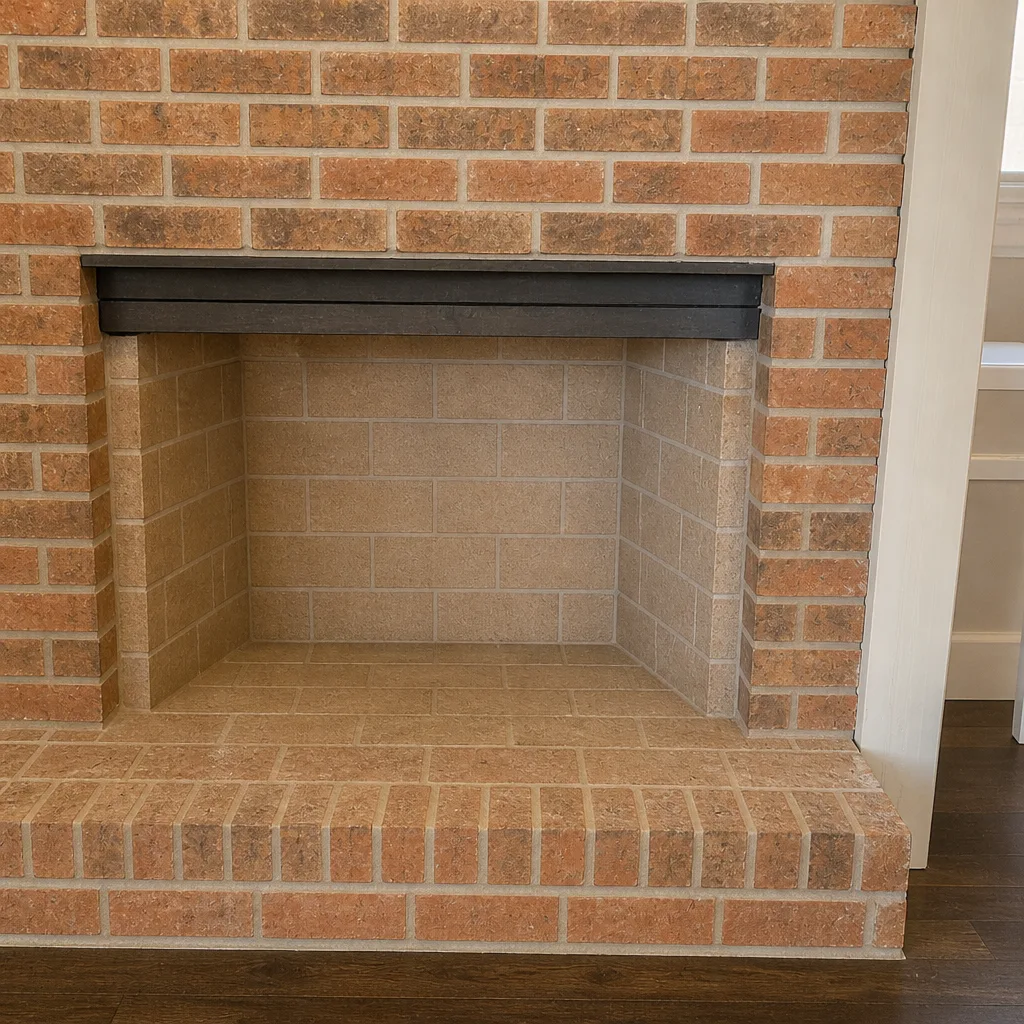 After
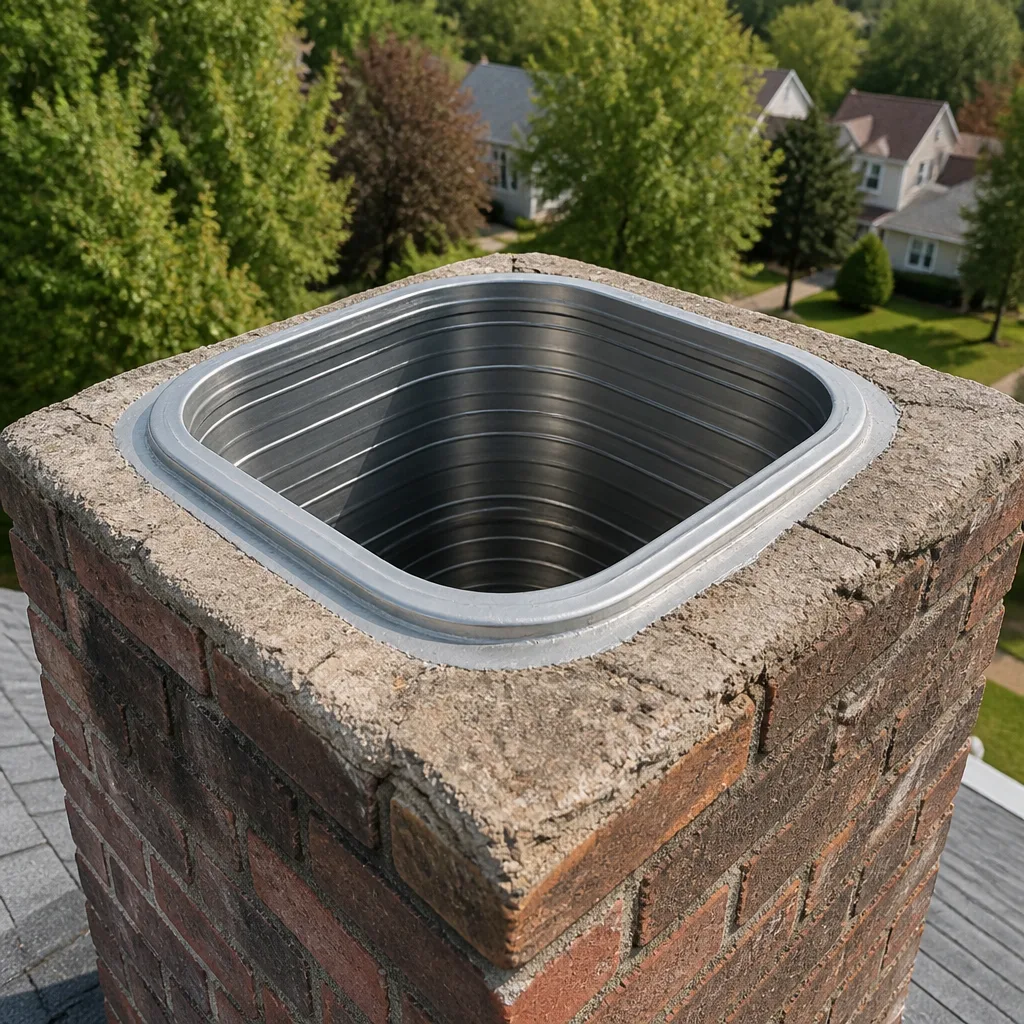
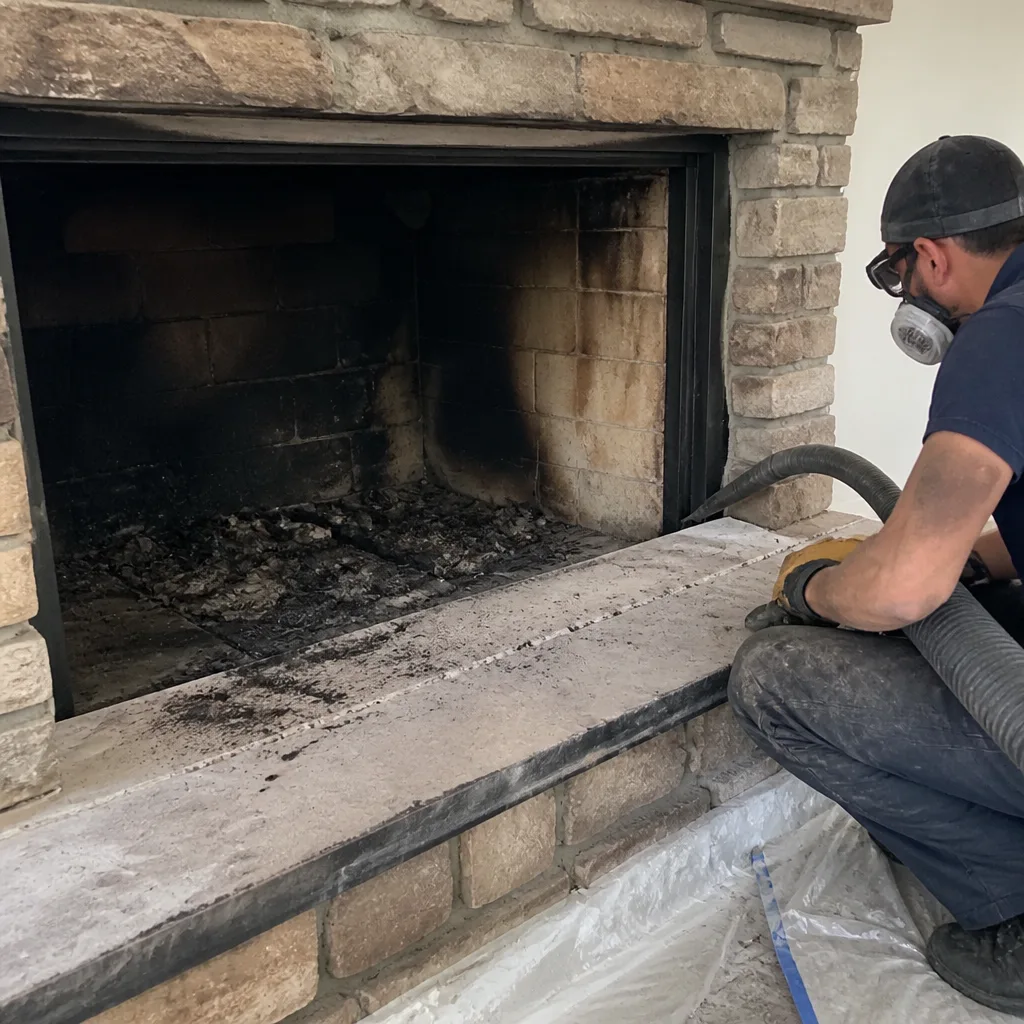 Before
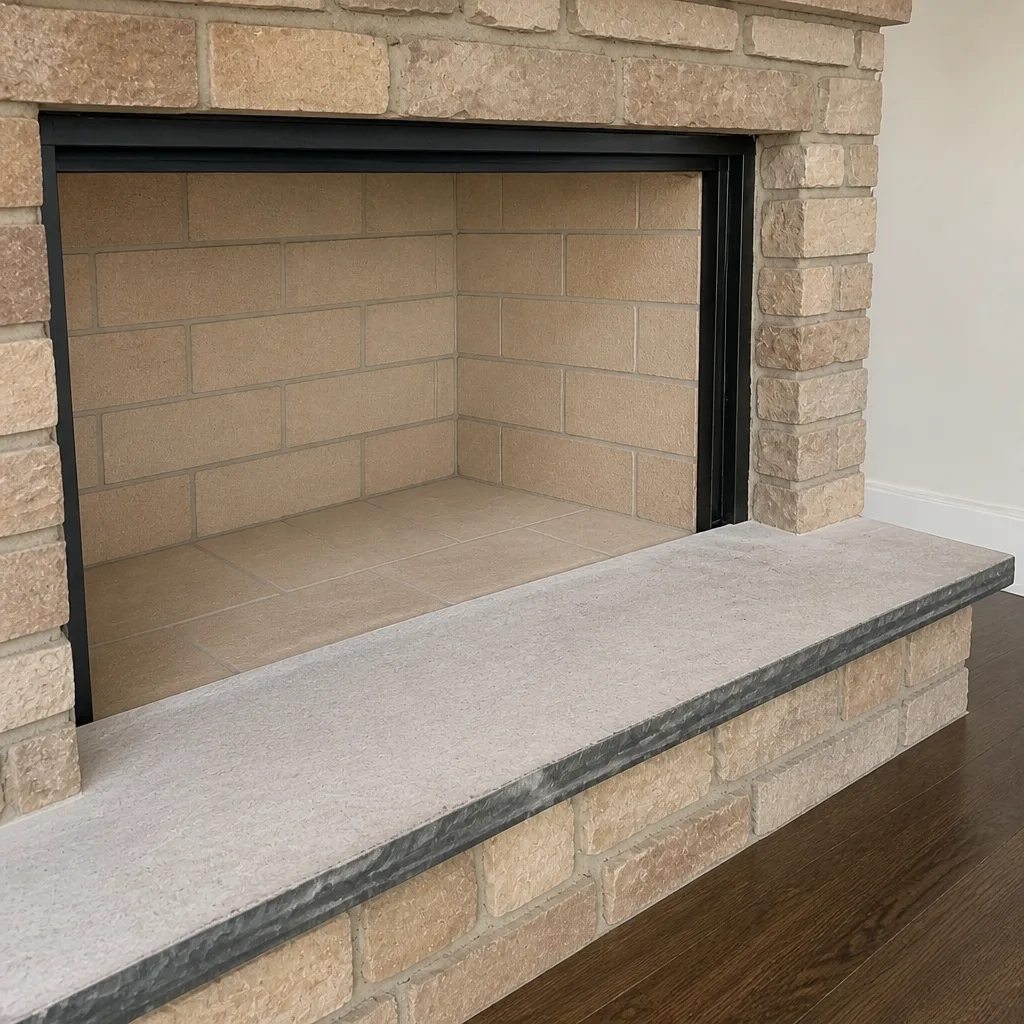 After
When to Call a Professional
Chimney work crosses into trained-professional territory the moment there’s damage to diagnose, and there’s no way to skip it safely. The components most likely to fail – flue liner, crown, damper, firebox – are all areas where the consequences of getting it wrong include carbon monoxide exposure and chimney fire. Call a professional if you smell creosote or smoke inside the house, if you’ve had a chimney fire even if it seemed small, if you can see cracking or staining at the firebox or along the flue, if water is getting in around the chimney, if the damper sticks or won’t close, or if the chimney hasn’t been inspected in over a year. Chimney Sweep Rancho Santa Margarita offers free estimates in Rancho Santa Margarita – call (855) 726-7893. We answer 24/7. Fast dispatch from 7am to 7pm, Sunday through Friday.
Frequently Asked Questions
No. A routine chimney cleaning is maintenance and does not require a building permit in Rancho Santa Margarita. The permit question only arises if the sweep identifies damage and the job shifts from cleaning into repair or alteration. Call (855) 726-7893 for an exact quote on the scope – estimates are free.
A basic inspection performed alongside a cleaning is typically included in the cleaning visit. A Level 2 camera inspection, which is the deeper look that reveals liner damage, is priced as a separate service. Estimate ranges vary based on the number of flues and access conditions; the written estimate sets the final price. Call (855) 726-7893 for a free estimate.
In most California jurisdictions, yes. Relining a flue is an alteration to the venting system and typically requires a building permit and inspection. The work must be verified against California Building Code Section R1003, and the liner materials must carry UL listing documentation. Call (855) 726-7893 to walk through the scope before filing.
The industry standard is once a year, or more often if you burn frequently, burn unseasoned wood, or notice a buildup that a visual check can detect. In Rancho Santa Margarita, the relatively mild winters mean burning seasons are shorter but the fires are still present. Annual sweeps keep the creosote load down and give you a yearly inspection point. Call (855) 726-7893 to book.
It can. California’s Transfer Disclosure Statement requirements mean that chimney defects must be disclosed, and an unpermitted repair is a question the buyer’s agent will ask. The clean path is to permit work that requires a permit, keep the inspection paperwork, and disclose accurately. If you’re unsure whether past work is compliant, get a current inspection. Call (855) 726-7893 to schedule one – estimates are free.
A straight like-for-like cap replacement generally doesn’t need a permit, though codes do require listed caps. Crown replacement is less clear-cut – simple patching usually falls under repair, while structural crown rebuilding may be treated as alteration. The safe move is to ask the building department to confirm the scope before work starts. For a proper cap or crown installation using listed components, call (855) 726-7893.
The Bottom Line
The line between maintenance and regulated construction in Rancho Santa Margarita is one you can draw yourself if you know where to look. A cleaning never needs a permit; a repair often does; a relining job or structural repair almost always does. California Building Code Section R1003 sets the standard, Title 24 sets the efficiency requirements around your damper, and California Civil Code disclosure rules make the documentation trail matter after the job is done. UL listing on liner and cap materials is the check that keeps you on the right side of code, whether or not a permit was pulled. The safest approach is always the same: get the inspection, get the report, then allow the scope of work to determine what gets filed.
Contact Us
If a recent chimney visit left you with questions about permits, section R1003, or what happens next, we’re happy to walk through it. Chimney Sweep Rancho Santa Margarita is a full-system chimney specialist – sweep, inspection, fireplace repair, chimney repair, and cap and crown work under one provider – and we do all of it with professional-grade materials from manufacturers whose listings inspections actually accept. Call (855) 726-7893 for a free estimate. We answer 24/7. Fast dispatch from 7am to 7pm, Sunday through Friday.
Written by the team at Chimney Sweep Rancho Santa Margarita.