
Last updated November 25, 2026
 Sweep & inspection
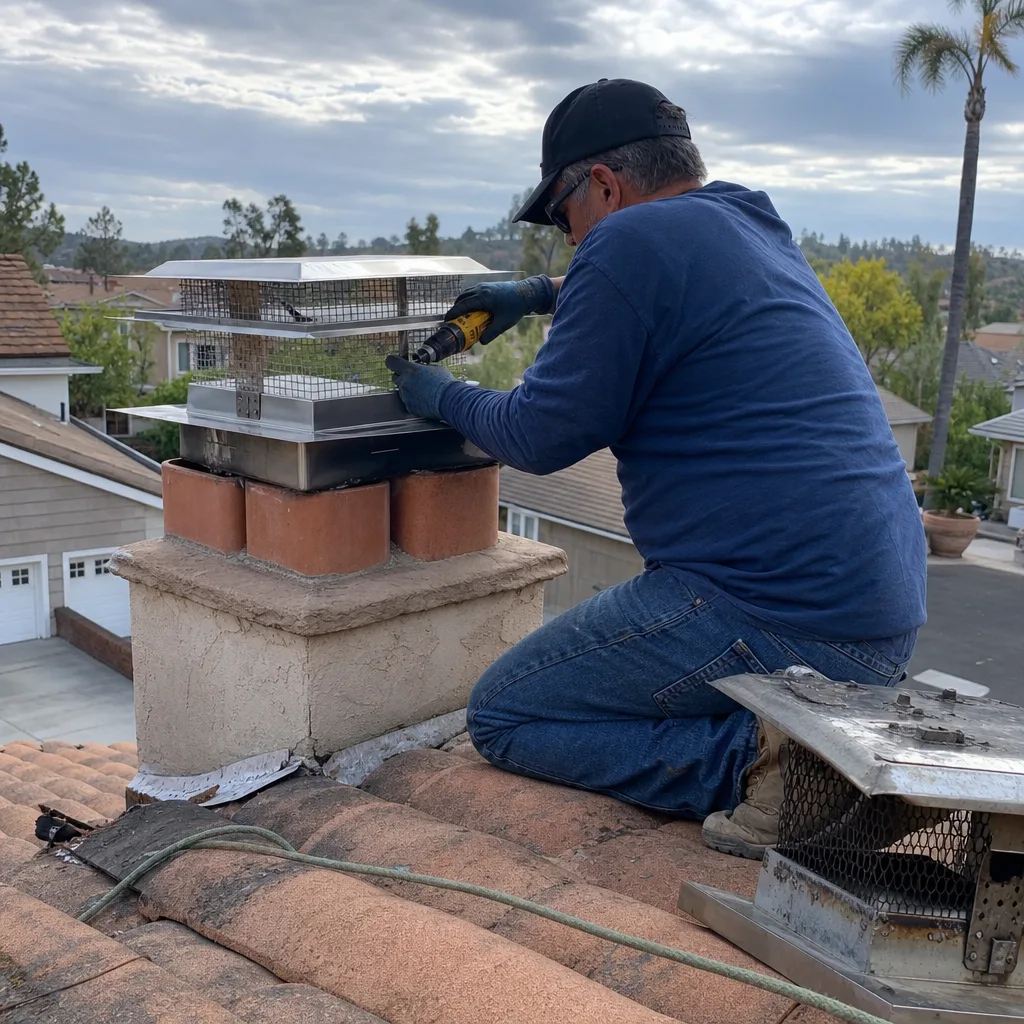
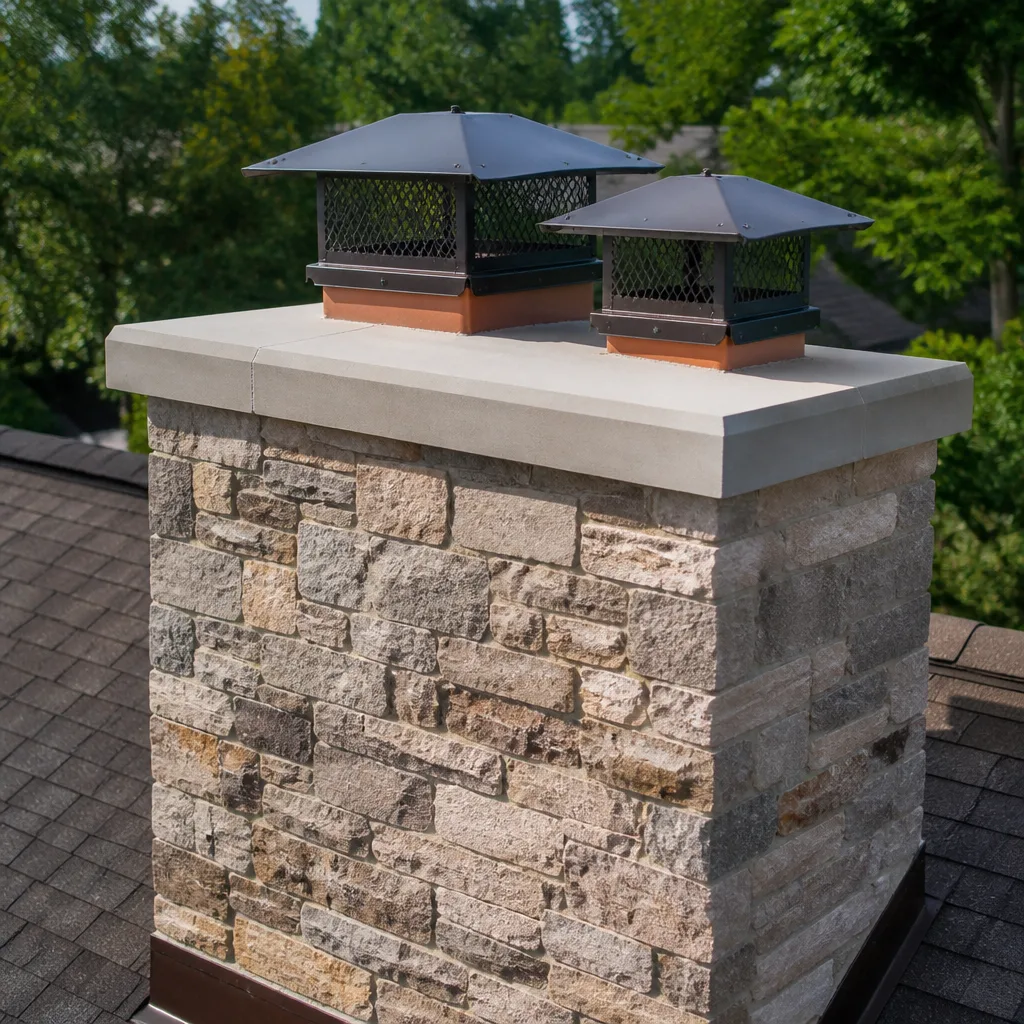 Caps & crowns
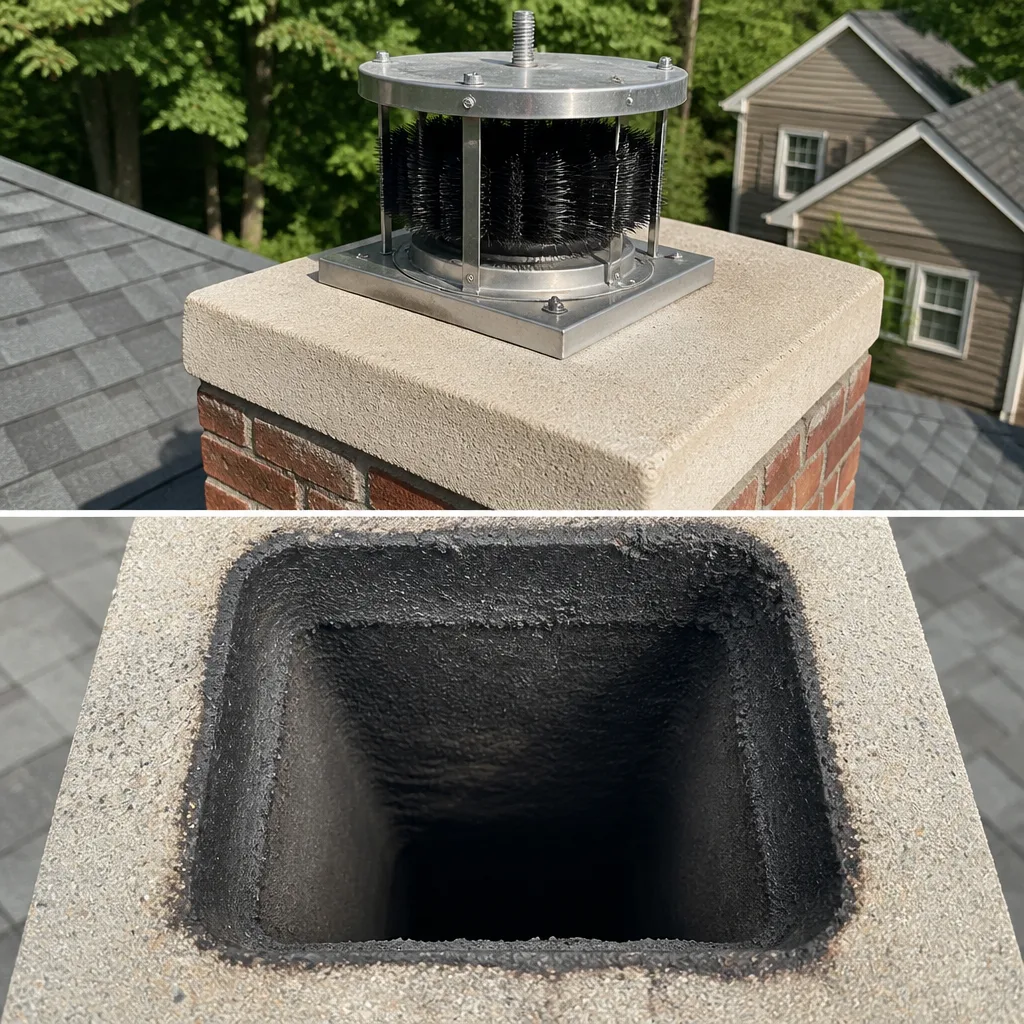
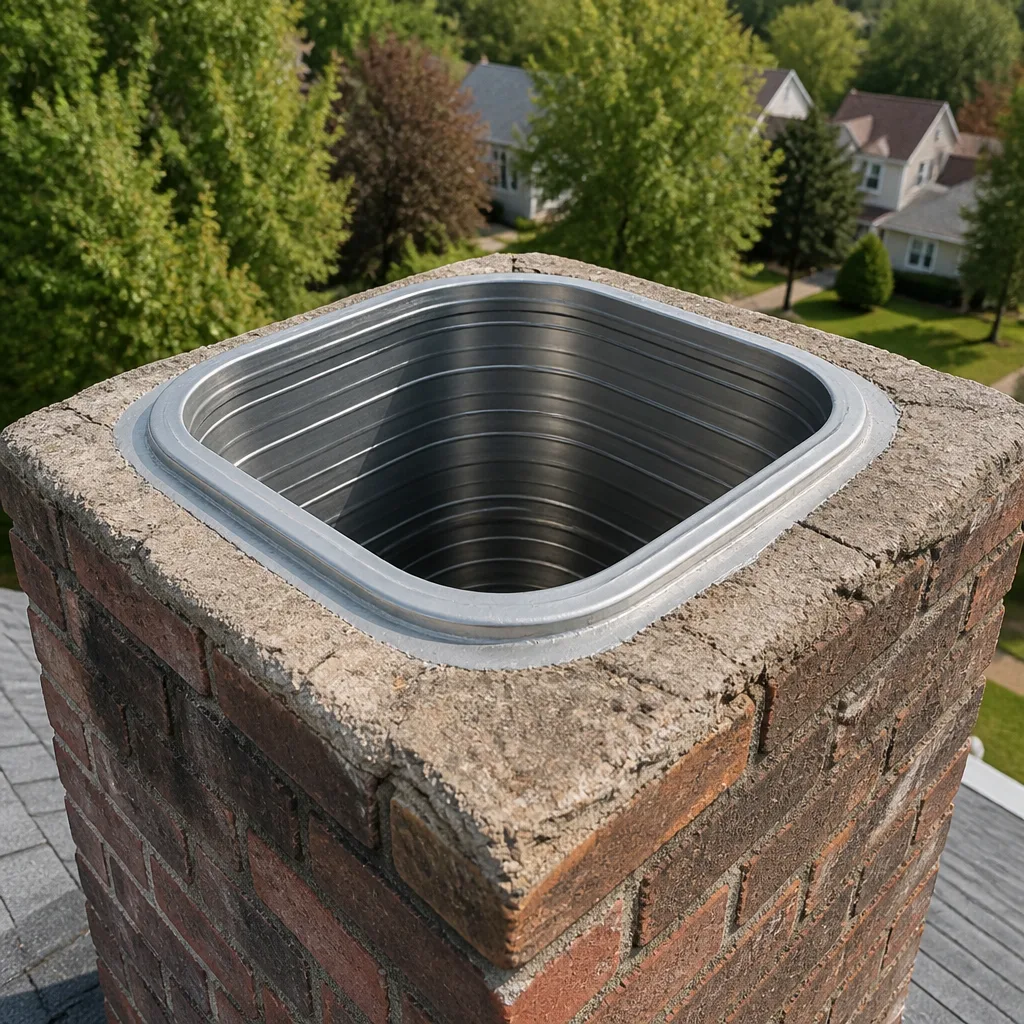 Flue relining
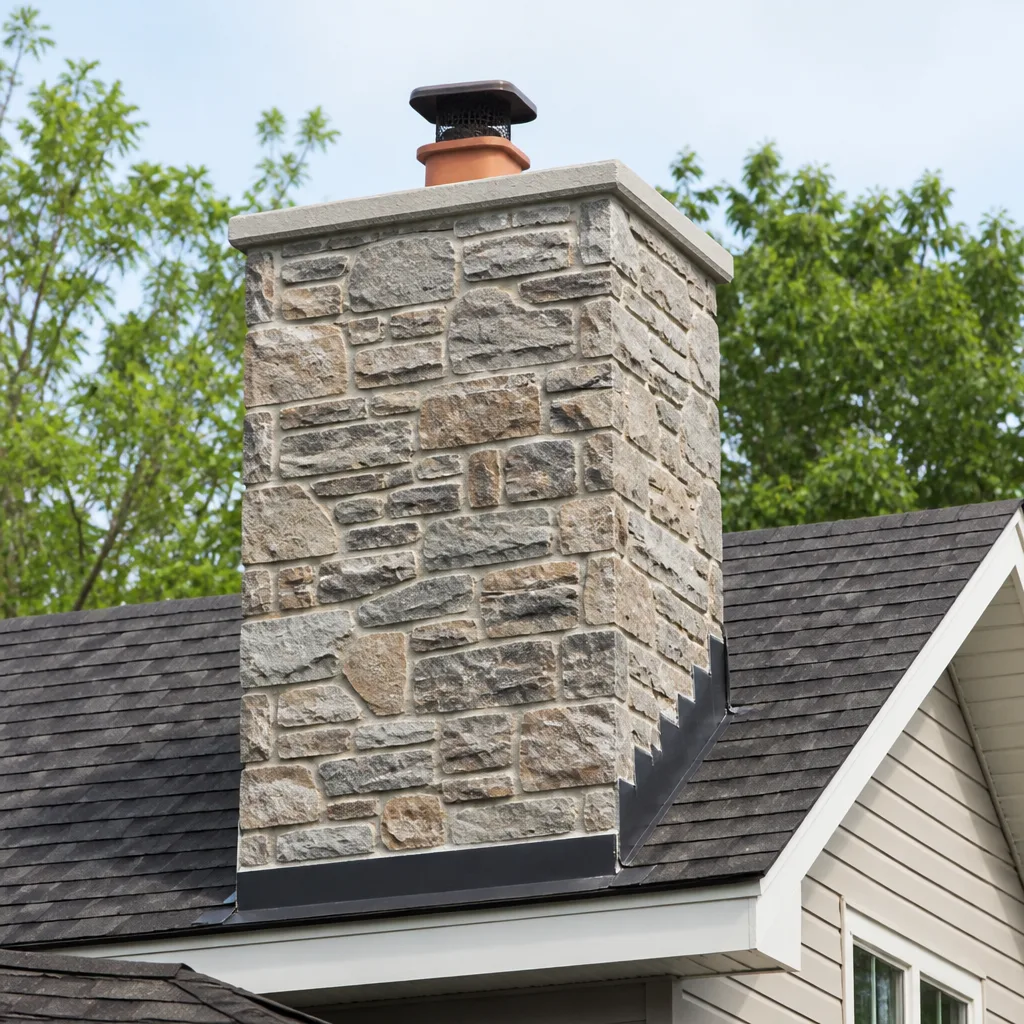 Masonry repair
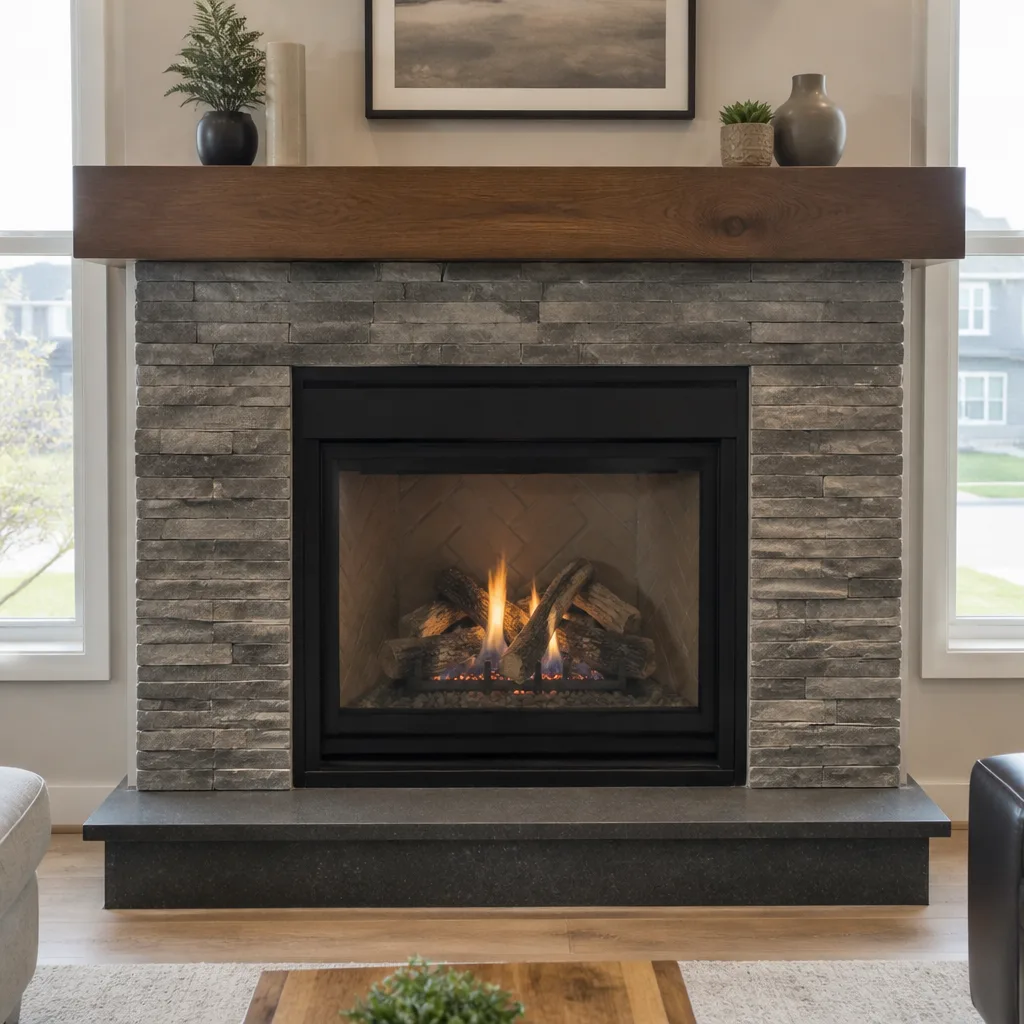 Gas fireplace service
Level 1 sweep and inspection to the NFPA 211 annual standard - flue, crown, cap, and flashing checked and photographed
Chimney sweep logs do not sweep chimneys. They loosen some creosote - which then falls where a brush and vacuum still have to collect it.
How to Hire a Chimney Cleaning Contractor in Rancho Santa Margarita: A Step-by-Step Guide
Here’s the part most homeowners never hear: California does not issue a dedicated chimney sweep license. The contractor license that covers a person sweeping your flue is the same classification that covers a housecleaner. That means the two screens most of us rely on – a license lookup and a handful of online reviews – tell you almost nothing about whether someone knows a firebox from a firestop. Rancho Santa Margarita sits in a high fire severity zone with a lot of wood-burning households and older masonry, and that raises the stakes. In this guide we’ll walk through the five questions that actually separate a chimney specialist from someone who bought a brush kit last year, how to read a quote line by line, and what documentation to demand before anyone climbs off your roof.
Quick Answer
To hire a chimney cleaning contractor in Rancho Santa Margarita, verify national certification (CSIA or NFI) rather than a state license, confirm the contractor carries liability and workers’ compensation coverage with no “chimney fire” exclusion, ask for an itemized quote, and require a written inspection report with photos and a condition rating after every visit. Anyone who can’t answer those four points in one conversation isn’t the right call.
Styles & brands we work with
- Sweep & inspection
- Caps & crowns
- Flue relining
- Masonry repair
- Gas fireplace service
Table of Contents
- Why a California Contractor License Won’t Tell You Much
- The Only Credentials That Matter: CSIA and NFI
- The Insurance Coverage a Chimney Contractor Actually Needs
- How to Read a Chimney Cleaning Quote Line by Line
- Post-Cleaning Documentation: What You Should Receive
- Why a Generalist Is a Liability in an WUI Zone
- Five Questions to Ask Before You Book
- Red Flags That Show Up in the First Five Minutes
Why a California Contractor License Won’t Tell You Much
Most hiring advice starts with “check the license.” For chimney work in California, that advice runs out of road fast. The state does not maintain a chimney sweep or chimney repair license category, so the license you’ll find in a lookup tells you the contractor is registered to do some kind of construction or maintenance work – not that they’ve ever been trained on a flue. A painter can hold the same classification. A landscaper can hold it. That’s not a knock on the licensing system; it simply wasn’t built to cover this trade.
What the license does tell you is worth having. It confirms the business is registered, that a bond is on file, and that there’s a paper trail if something goes badly wrong. Use it as a floor, not a ceiling. The real vetting happens around it.
For a wood-burning fireplace in a Rancho Santa Margarita home, the person on your roof needs to recognize three things a generalist often won’t: how much creosote has glazed onto the flue walls, whether the flue liner has cracked or separated at a joint, and whether the crown and cap are shedding water into the masonry. Those are the findings that decide whether you’re looking at a cleaning, a targeted repair, or a bigger conversation. A registered contractor without chimney-specific training can sweep a flue clean and still walk past a dangerous defect.
What the license does and doesn’t cover
- Covers: business registration, bonding, and a complaint channel through the state licensing board.
- Doesn’t cover: training in flue and firebox systems, knowledge of creosote stages, or competence with liner and crown materials.
- Where to look instead: national certification, insurance certificates, and the specific brands a contractor works with.
This is the core insight of this whole guide. The screens most homeowners use were built for trades that have their own licensing categories. Chimney work doesn’t, so we need a different filter. Our technicians have up to 9 years of experience on flue, firebox, and masonry systems specifically, and that kind of focused tenure is what you’re trying to identify when you interview a contractor – not whether a piece of paper exists.
The Only Credentials That Matter: CSIA and NFI
The two credentials worth asking about by name are CSIA Certified Chimney Sweep and NFI certification. These are the nationally recognized standards in this trade, and they’re the closest thing to a real license that exists in the United States. If a contractor holds one, they’ve passed a proctored exam, signed a code of ethics, and agreed to keep up with continuing education. If they hold neither, you’re hiring on faith.
Verifying them takes about a minute. The Chimney Safety Institute of America publishes a searchable directory of certified sweeps by ZIP code, and the National Fireplace Institute maintains its own listing. Ask for the certification number, then look it up yourself rather than taking a badge on a website at face value. A real certified sweep won’t blink at the request. Someone who hesitates, changes the subject, or says their certification is “pending” is telling you something.
A 60-second verification walkthrough
- Ask the contractor for their CSIA or NFI certification number in writing (email or text is fine).
- Open the CSIA or NFI online directory on your phone.
- Search by name or ZIP and confirm the listing matches the company on your quote.
- Check the certification status and expiration date, not just that a name appears.
- Ask who on the crew will actually be on your roof and whether that person is the certified one.
That last point matters more than it sounds. Some companies hold certification at the ownership level and send uncertified helpers to do the work. In our view, the person making decisions about your flue should be the certified one. CSIA-certified professionals nationwide work with the same recognized product lines we do – DuraFlex liner systems, Olympia Chimney, Famco, Copperfield, and HeatShield among them – and spotting those names in a contractor’s vocabulary is a decent secondary signal that they’re operating in professional circles rather than off the shelf at a hardware store.
What each credential actually tells you
- CSIA Certified Chimney Sweep: the sweep has been tested on inspection, sweeping, and safety practices, and follows a published code of ethics.
- NFI certification: signals competence in venting and appliance installation standards, valuable if your home has a gas insert or a wood stove rather than an open fireplace.
- Manufacturer training (HeatShield, DuraFlex): shows the contractor has been qualified to apply specific repair systems, not just to sell them.
Ask about all three. A specialist will have answers for each. A generalist will have a story about how they’ve been “doing this a long time” and change the subject.
The Insurance Coverage a Chimney Contractor Actually Needs
Every contractor will tell you they’re insured. The question worth asking is what the policy actually covers. Chimney work is unusual because the most likely serious loss on the job is a chimney fire – and many standard general liability policies treat fire damage to the insured structure as an exclusion or a sub-limit. If the contractor’s coverage doesn’t reach chimney fire, the homeowner’s policy can end up absorbing the loss and the contractor’s certificate of insurance was worth about as much as the paper it was printed on.
Ask for two documents before anyone shows up: a certificate of insurance showing general liability limits, and proof of workers’ compensation coverage. Then read them. You’re looking for named exclusions, not just a dollar figure. If the certificate is vague about fire, ask the contractor to confirm in writing with their agent that chimney fire damage is covered. A professional will make that call. A dodgy one will get defensive.
What to confirm on the insurance certificate
- General liability: active, current, and listing the legal business name matching the quote.
- Workers’ compensation: present. Without it, an injured worker can look to the homeowner, and that’s a serious exposure.
- Fire damage coverage: confirm in writing that chimney fire is not excluded.
- Policy dates: still in force on the day of the work.
- Additional insured: some contractors will add the homeowner as an additional insured for the job; ask if that’s available.
Rancho Santa Margarita homes sit in a brush-heavy corridor, and fire risk here is not abstract. The upside of asking these questions is not just legal protection. A contractor who can produce clean insurance paperwork on request is almost always a contractor who runs a tight operation. The ones who can’t are the ones who cut corners everywhere else, too.
How to Read a Chimney Cleaning Quote Line by Line
A chimney cleaning quote should be clear enough that you can tell exactly what you’re paying for without a phone call. In our experience, the difference between a solid quote and a problem quote shows up in the itemization. A proper quote names the service, states the scope (which flue, which appliance, standard or heavy creosote), and separates inspection from cleaning when they’re billed separately. A bundled flat rate with no detail is a warning sign, not a convenience.
Pricing varies by market, and we don’t quote final numbers until we’ve seen the flue. What we can tell you is what a professional quote should contain, so you can compare apples to apples when you’re calling around Rancho Santa Margarita.
What a professional quote includes
- Line 1 – Sweep: the specific appliance and flue (e.g., “wood-burning fireplace, main flue”), plus a note on creosote level if known.
- Line 2 – Inspection: what level of inspection (visual, accessible, or full), and whether it’s included or separate.
- Line 3 – Documentation: confirmation of a written report with photos.
- Line 4 – Findings/repairs: listed separately with a note that they’re recommendations, not requirements, until you’ve seen the evidence.
- Line 5 – Estimate terms: that the written estimate sets the final price, and whether anything on the quote is an estimate pending inspection.
What a warning-sign quote looks like
- A single line saying “chimney service” with one total, no breakdown.
- Repairs added to the quote before anyone has looked at the flue.
- “Includes” language that hides a mandatory upcharge for heavier creosote.
- Cracks or liner replacement quoted with no photos, no camera evidence, and no explanation of the reading.
- Pressure to decide “today” because the price will change tomorrow.
You can read more about how our chimney sweep pricing is structured, including what gets reported back to you after the visit. One boundary worth stating plainly: nothing on the repair side should be presented as urgent until you’ve been shown the evidence. Plenty of liners that look worn from the outside have years of service left, and a specialist who understands chimney repair will say so.
Post-Cleaning Documentation: What You Should Receive
Ask any contractor what you’ll receive after the sweep, and listen carefully. The answer separates a service business from a transaction. A proper cleaning in Rancho Santa Margarita should end with a written report – not a verbal summary in the driveway – that documents what was found, with photographs and a condition rating for the key components of the system.
The three questions worth asking before booking:
- What format does the report come in? A written report (PDF by email is common) is the standard. Verbal only is not enough.
- Are photos included? Photos of the flue interior, the firebox, the damper, the cap, and the crown. If they can’t show you the photos, you can’t see what they saw.
- Is there a condition rating? A written rating for creosote level and component condition gives you a record you can compare year to year and hand to a buyer if you sell.
This documentation habit matters most for homeowners who aren’t on the roof themselves. You shouldn’t have to take anyone’s word that your flue needs a new liner. A report with photos lets you see the reasoning. When you find a contractor who works this way, you’ll usually find they also use a camera inspection and a photo report as part of the job, not as an add-on.
Keep the reports. If you sell your Rancho Santa Margarita home, a file of annual reports is one of the cleanest pieces of paperwork you can hand a buyer’s inspector. It shows that the chimney has been maintained, when, and by whom. That’s worth more than a receipt.
Why a Generalist Is a Liability in an WUI Zone
Rancho Santa Margarita is surrounded by open space and brush-covered hills, and much of the surrounding area falls into what’s called a Wildland-Urban Interface, or WUI, zone. In a WUI zone, chimney work is not just home maintenance – it’s part of fire defense. Embers from a chimney can travel well ahead of a fire front, and an improperly screened or unmaintained chimney is one of the paths those embers can follow into a home.
That’s why a generalist home-services company is a specific liability here, not just a quality concern. The plumber-with-a-brush model misses the parts of the job that matter most in this geography: confirming the spark arrestor is intact, checking that the cap is correctly sized and installed, verifying that the crown isn’t channeling water into the masonry, and reading creosote levels accurately. Get any of those wrong and the chimney is quietly compromised right when the stakes are highest.
What WUI-adjacent homeowners should expect
- Cap check on every visit: confirming the cap is seated, screened, and not clogged.
- Crown and masonry inspection: water is the other slow threat to a chimney in this climate.
- Creosote reading: glazed creosote (stage 3) is a fire hazard and needs to be addressed before it’s swept, not after.
- Spark arrestor verification: intact mesh, correct sizing, secured against wind.
Our view is that a chimney specialist should treat the full system – flue, firebox, damper, cap, crown, masonry – as one unit, because in a fire zone they behave as one unit. When we install a cap, we work with established supply-chain brands like Olympia Chimney or Copperfield rather than off-brand hardware-store stock. That’s not brand loyalty; it’s a settled in the field that a cap is either doing its job of keeping out water, animals, and embers, or it’s not.
Five Questions to Ask Before You Book
If you’re going to interview a chimney contractor, these are the questions that actually sort the wheat from the chaff. Ask them by phone. The answers – and how quickly they come – tell you most of what you need to know.
- “Are you CSIA or NFI certified, and what’s your certification number?” A real certification has a number. “We’ve been doing this for years” is not an answer.
- “Can you send me a certificate of insurance? Does it exclude chimney fire?” The second half of that question is the one that separates the professionals from the pretenders.
- “What level of inspection do you do, and is it included or separate?” The three recognized levels (visual, accessible, full) are not the same thing. Ask which you’re getting.
- “Will I get a written report with photos after the sweep?” The answer should be yes, and it should be free with the sweep.
- “What brands of liner and cap materials do you install?” You’re listening for professional-grade names – DuraFlex, HeatShield, Olympia Chimney, Famco, Copperfield. If the answer includes “whatever’s on sale,” that’s your answer.
The five questions take about ten minutes to get through. If a contractor can answer all five cleanly, that’s a strong signal. If they can answer three, press on the other two. If they can’t answer more than one, keep calling.
Red Flags That Show Up in the First Five Minutes
Some warning signs reveal themselves before anyone picks up a brush. Here are the ones we see most often from homeowners who call us after a bad experience elsewhere.
- They quote repairs before they’ve seen the flue. A quote for a new liner delivered sight-unseen is a quote not based on evidence.
- They can’t name their certification or won’t look it up with you. Certifications are searchable. Hiding from the search is a choice.
- Their insurance certificate is “somewhere” and never arrives. If they can’t produce it in an email within the hour, they don’t have it.
- They pressure you to decide the same day. Legitimate chimney work doesn’t expire at dinnertime.
- The work is bundled into a single “package” with no line items. Without itemization you can’t verify the pricing, and without pricing you can’t compare.
- They use only generic brand language. A specialist names the products they install. A generalist says “we use the best.”
- They won’t put the report in writing. If documentation is a verbal summary at the truck, it’s not documentation.
None of these, on its own, is disqualifying. Together they paint a picture. Homeowners who call around in Rancho Santa Margarita tend to hear the same thing from the good contractors and the same excuses from the bad ones. The job of this guide is to help you recognize the difference before you hand over a deposit.
Common Mistakes to Avoid
- Checking the license and stopping there. California’s contracting classifications don’t include a chimney sweep license, so a clean license lookup isn’t a skill check. Ask about CSIA and NFI instead.
- Hiring on price alone. The cheapest quote in Rancho Santa Margarita is often the one that skips the camera inspection and the written report. You’re paying for the minutes of diagnosis, not just the brushwork.
- Accepting a liner replacement on the spot. Many liners that look worn can be restored with an application like HeatShield rather than replaced. A repair-first approach saves cost and disruption – ask about it.
- Skipping the insurance verification. A certificate of insurance is easy to ask for and easy to fake. Confirm the policy is current and that chimney fire is covered.
- Not keeping the reports. Annual reports give you a documented maintenance history. That’s worth real money when you sell.
- Ignoring the cap and crown. Water damage is the slow killer of chimneys in this climate and the cap and crown are where it starts. Have them checked on every visit.
- Assuming sweeping is only about fireplaces. Wood stoves, inserts, and even gas appliances have specific venting needs. Tell the contractor exactly what you have.
See the difference
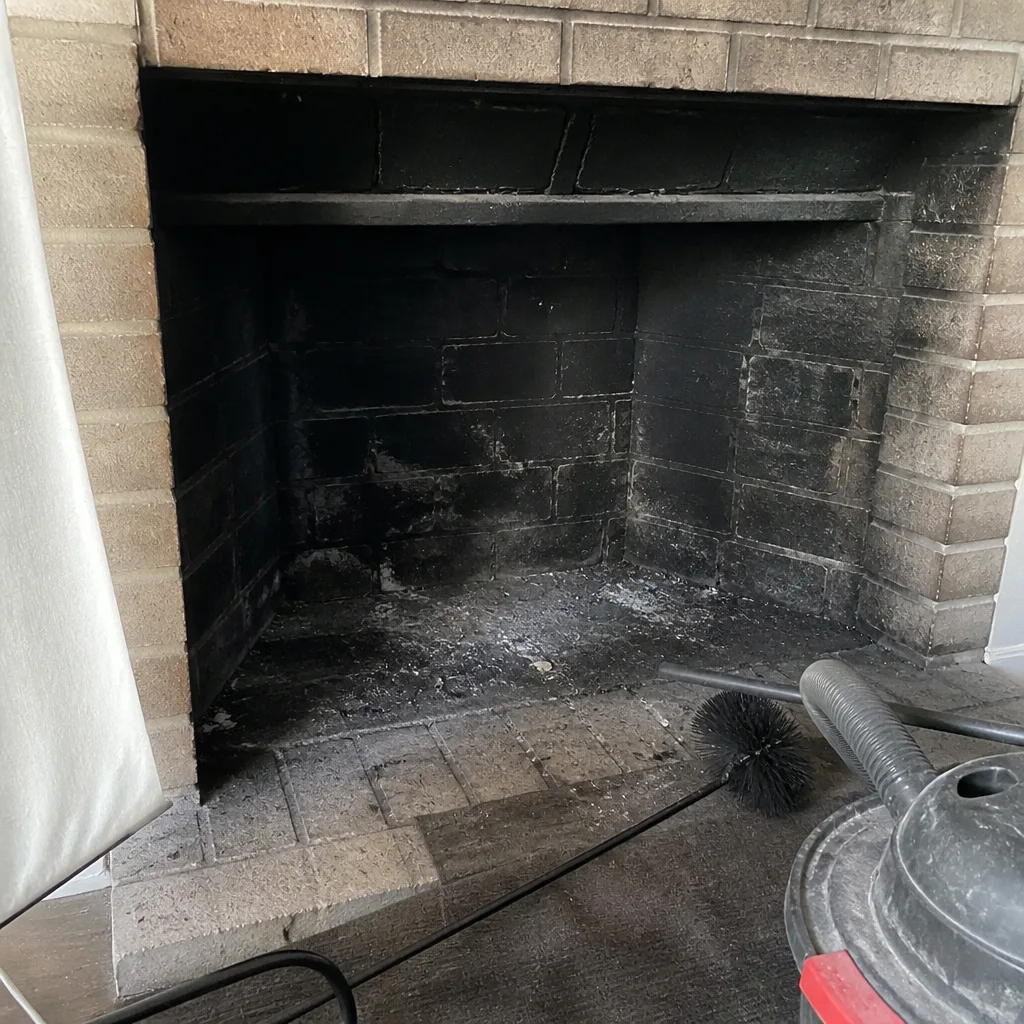 Before
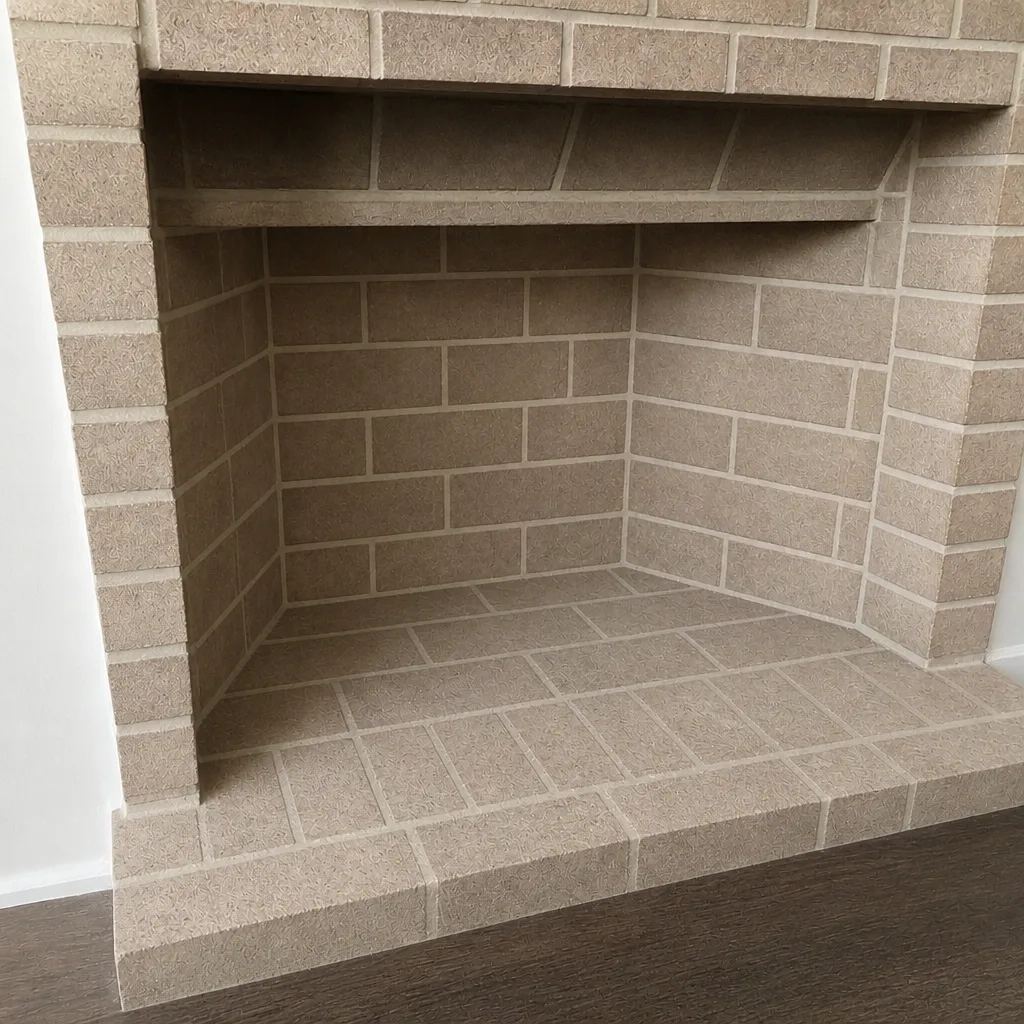 After
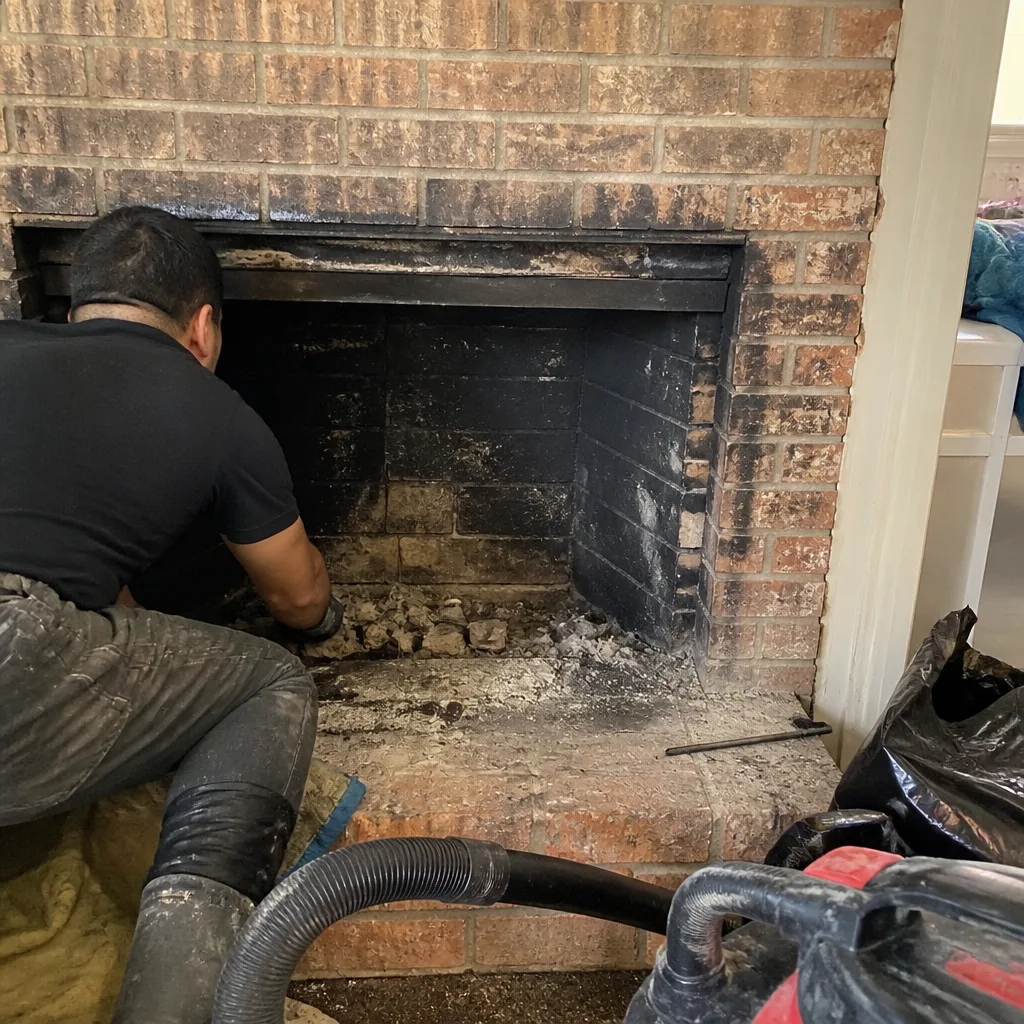 Before
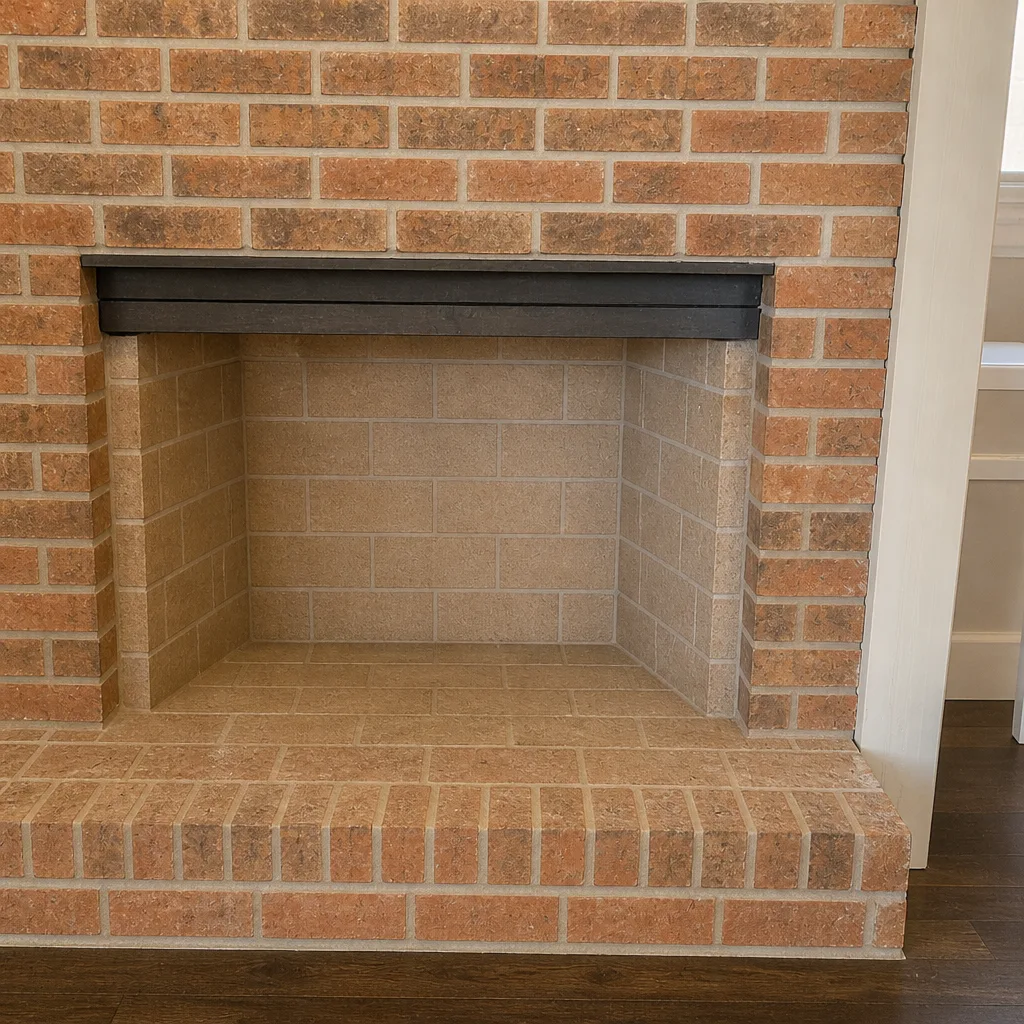 After
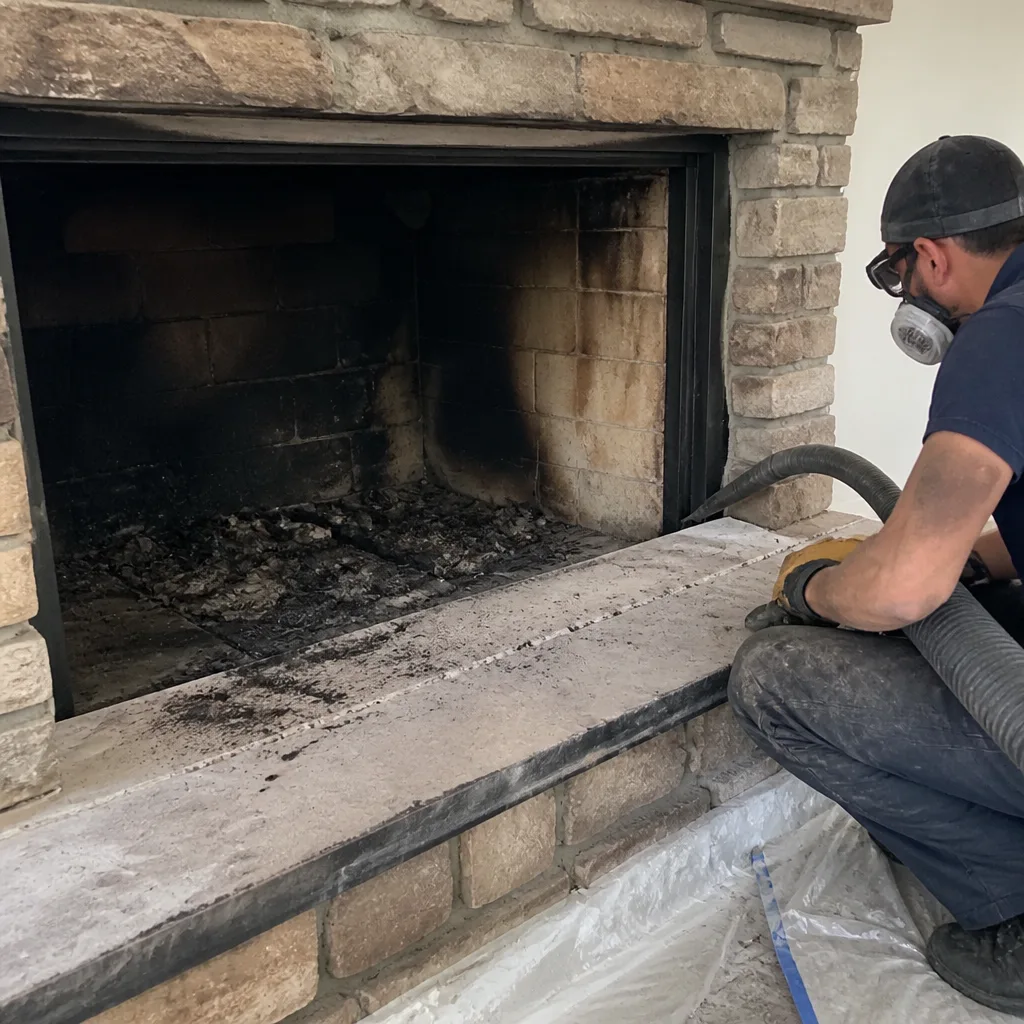 Before
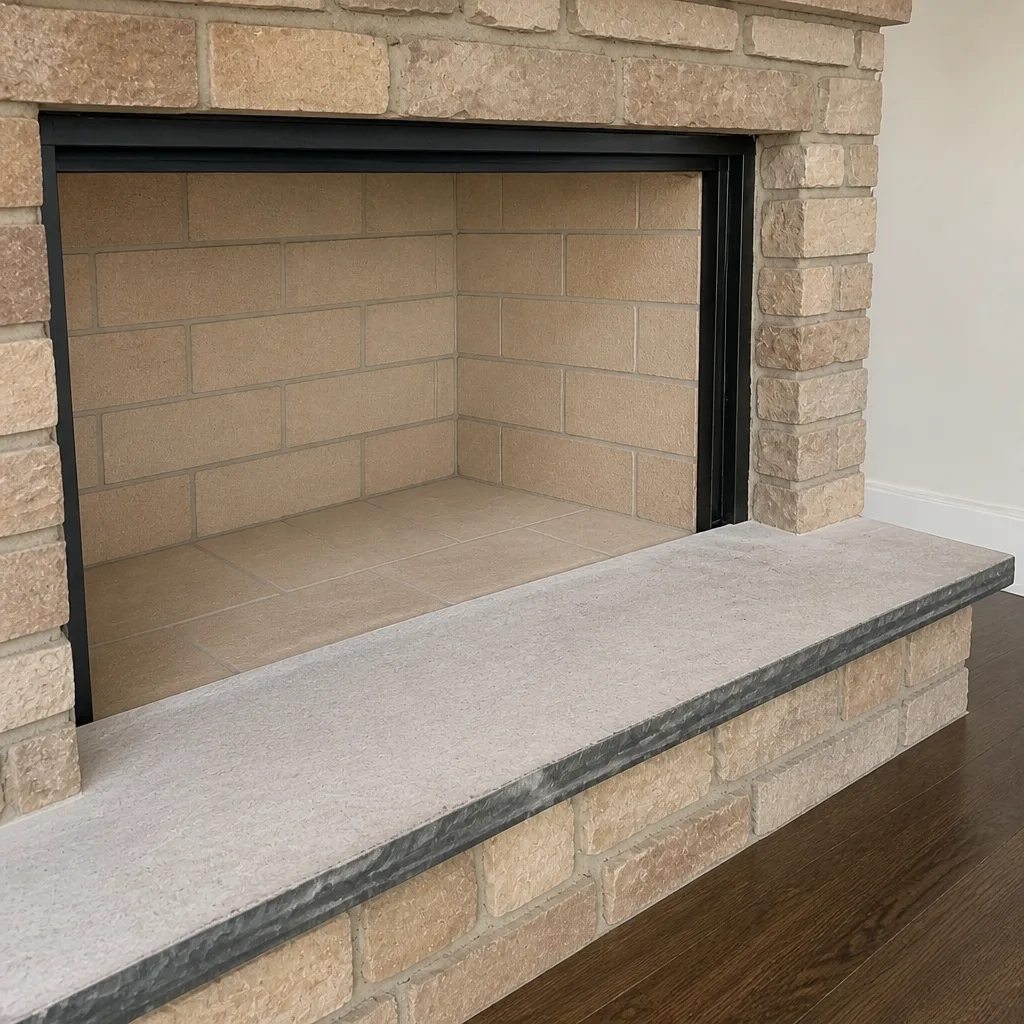 After
When to Call a Professional
Some situations are obvious calls: you’ve never had the chimney swept, or you can’t remember the last time it was. Others are less so. If you notice dark staining on the exterior masonry, crumbling mortar at the crown, a smoky smell in the room when the fireplace isn’t in use, or a draft that’s reversed, those are signals worth investigating before the next burn season. If you’ve had a chimney fire – even a small one that went out quickly – stop burning and have the whole system inspected, because a fire that small can still crack a liner or damage a joint you can’t see from the firebox. If you’re preparing a home in Rancho Santa Margarita for sale, an inspection with photos and a written report will save you problems during the buyer’s inspection.
Chimney Sweep Rancho Santa Margarita offers free estimates in Rancho Santa Margarita – call (855) 726-7893. We answer 24/7. Fast dispatch from 7am to 7pm, Sunday through Friday.
Frequently Asked Questions
California doesn’t issue a chimney-specific license, so the answer is not what most homeowners expect. What you should ask for instead is CSIA certification or NFI certification, both of which are verifiable online and represent real training in flue and venting systems. A general contractor’s license is a floor for legitimacy, not a ceiling for competence. Call (855) 726-7893 for an exact quote – estimates are free.
A typical chimney sweep in Rancho Santa Margarita is a per-job estimate rather than a fixed market rate, and the written estimate you receive sets the final price. A standard sweep with inspection, camera check, and written report is the baseline; heavier creosote or additional flues adjust scope. Nothing is added without your approval. Call (855) 726-7893 for an exact quote – estimates are free.
For a wood-burning fireplace in regular use, an annual sweep is the common professional recommendation – roughly once per cord of wood burned – so once a year is the working rule for most Rancho Santa Margarita households. Gas fireplaces and wood stoves have their own schedules; an inspection tells you which applies to you. Call (855) 726-7893 for an exact quote – estimates are free.
Sometimes you need one, and often you don’t – which is why you should never accept a liner replacement without camera evidence you can review. A specialist working in a repair-first model will show photos of the flue interior and explain the condition rating before recommending anything. If they can’t, ask them to. If they still can’t, walk away. Our approach is to recommend HeatShield resurfacing when the liner can be restored and full replacement only when it can’t. Call (855) 726-7893 for an exact quote – estimates are free.
Creosote builds up in the flue, and at the glazed stage it’s a genuine fire hazard, not just an efficiency problem. A skipped season can also hide developing problems – cracks in the liner, a failing crown, a loosened cap – that are cheap to fix in year one and expensive in year three. Skipping isn’t a safety sentence; it’s a deferral of the information you need. Call (855) 726-7893 for an exact quote – estimates are free.
You can, but in a WUI zone that’s a specific liability risk, not just a quality concern. Chimney work involves creosote readings, cap and crown condition, liner integrity, and spark arrestor verification – all items a generalist without chimney-specific training is likely to miss. In our experience, the work is best done by someone who works on flues and masonry all day rather than across a dozen other trades. Call (855) 726-7893 for an exact quote – estimates are free.
The Bottom Line
The right question isn’t “who has the best reviews” or “who has a license” – it’s “who can prove they’re trained on chimneys specifically, insured for chimney fire, and willing to show me what they found.” CSIA and NFI certification, an itemized quote, verifiable insurance with a confirmed chimney fire carve-out, and a written report with photos after every visit: those four things filter out nearly every contractor you don’t want. If you’re booking a sweep in Rancho Santa Margarita, start with the checklist above. It’s the same set of questions we’d want a homeowner to ask us. For a full-system look at how we handle Chimney Sweep Rancho Santa Margarita work and fireplace repair, call us and we’ll run through it. Our technicians have up to 9 years of experience on flue, firebox, and masonry systems, and the estimate is free.
Call (855) 726-7893 for a free estimate. We answer 24/7. Fast dispatch from 7am to 7pm, Sunday through Friday.
Written by the team at Chimney Sweep Rancho Santa Margarita.